Category: Game Reviews

In-depth game reviews from the Game Empress editorial team. We play through the latest releases, test the mechanics, evaluate the storytelling, and deliver verdicts you can trust before adding a game to your library.

  • Call of the Elder Gods Reviews: Is It Worth Playing?

    Call of the Elder Gods Reviews: Is It Worth Playing?

    The short answer: Call of the Elder Gods is a confident, atmospheric puzzle-adventure sequel that succeeds on its own terms. Critics broadly agree that its puzzle design is one of the sequel’s strongest upgrades. Its narrative is divisive. Its presentation is stunning. If you know what you’re getting into — a deliberate, dialogue-heavy, first-person mystery with no combat — it delivers. If you came for a stronger story than Call of the Sea or expected horror action, you may be let down.

    Call of the Elder Gods game launched on May 12, 2026, for PS5, Xbox Series X|S, Switch 2, and PC, with day-one availability on Game Pass.

    What the critic consensus shows

    I reviewed the main critic consensus on OpenCritic and several major published reviews available at the time of writing, including GameSpew, DualShockers, Creative Bloq, But Why Tho, Gamer Social Club, and InGameNews. At the time of writing, 15 critics had scored the game on OpenCritic. Among the listed reviews, Xbox Achievements sits at the lower end with 75%, while DualShockers is the most enthusiastic outlier at 10/10. What emerges is a game with one area of near-unanimous agreement — the puzzles — and one area of genuine disagreement: whether the story and world-building match what Out of the Blue delivered in Call of the Sea.

    Story and setting: globe-trotting is a double-edged sword
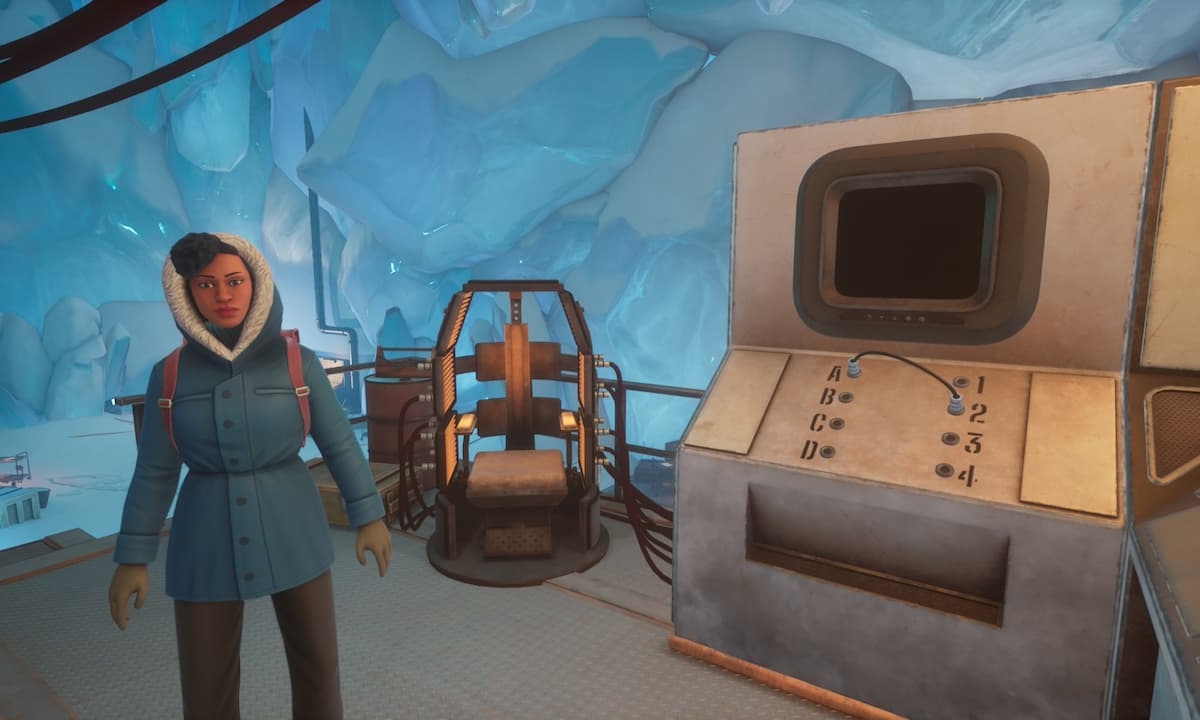
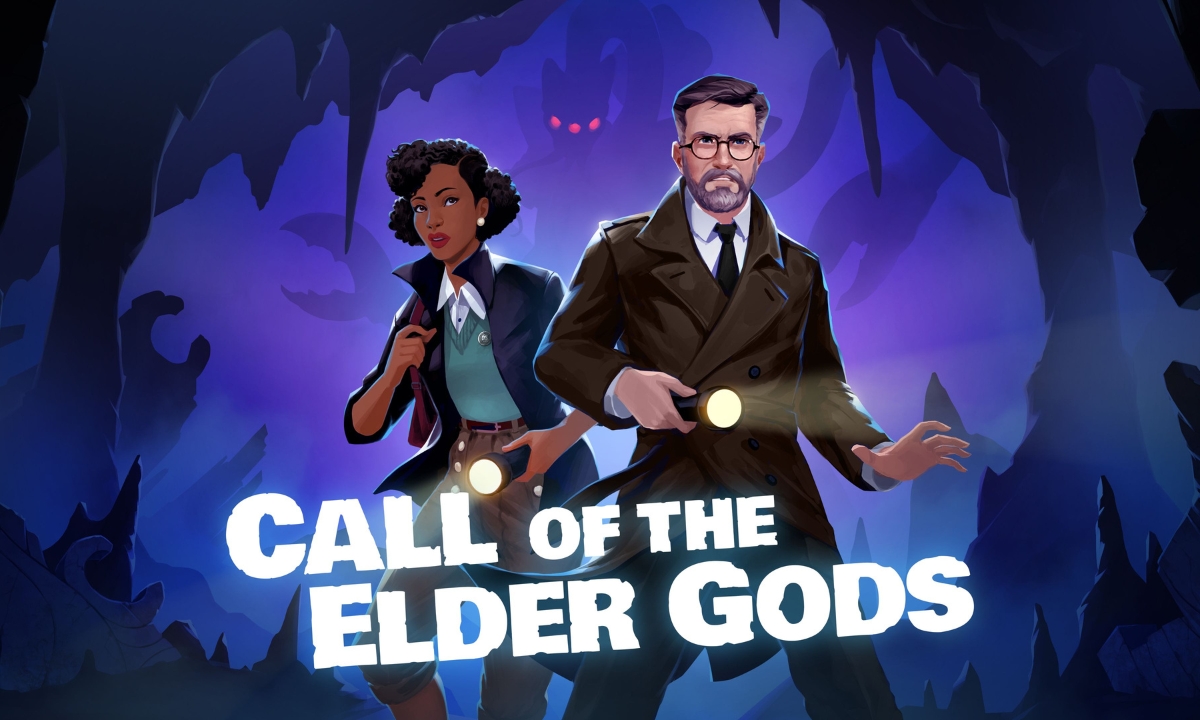
    Harry Everhart and Evangeline Drayton — the game’s two lead characters. Screenshot via GameSpew

    Call of the Elder Gods is set years after the events of Call of the Sea. You play as Evangeline Drayton, daughter of Frank Drayton from the original expedition, alongside the returning Professor Harry Everhart — Norah’s husband, now a grief-stricken, haunted man after losing his wife. Several reviews note that the sequel follows a specific ending from Call of the Sea, so returning players will get more out of the story. New players are provided recap support, but TheSixthAxis still recommends playing the original first.

    Where Call of the Sea was rooted in one cohesive island, Call of the Elder Gods sends Harry and Evie across the world: Boston, Svalbard, Australia, an abandoned Nazi compound with eldritch experiments, and stranger places beyond. DualShockers drew direct comparisons to Lovecraft’s At the Mountains of Madness and The Call of Cthulhu for how it handles stone cities and expedition structure.

    The divide in reviews is real. GameSpew and Creative Bloq both note that frequent location shifts produce a world that feels broader but less immersive than the first game. PSX Brasil and IGN Italy push back — IGN Italy called it “a surprisingly intimate and poetic lens” on Lovecraftian lore, praising its handling of grief and the afterlife. DualShockers went furthest, giving it 10/10 and calling the story “equal parts eerie, mysterious and altogether charming.”

    The two lead characters earn consistent praise across the board. Harry’s grief and Evangeline’s cautious optimism are described as a compelling contrast, and their relationship builds into something genuinely affecting. But Why Tho specifically called out how their mutual dependency is the core emotional engine of the game.

    Puzzles: the strongest element by consensus
    Call of the Elder Gods

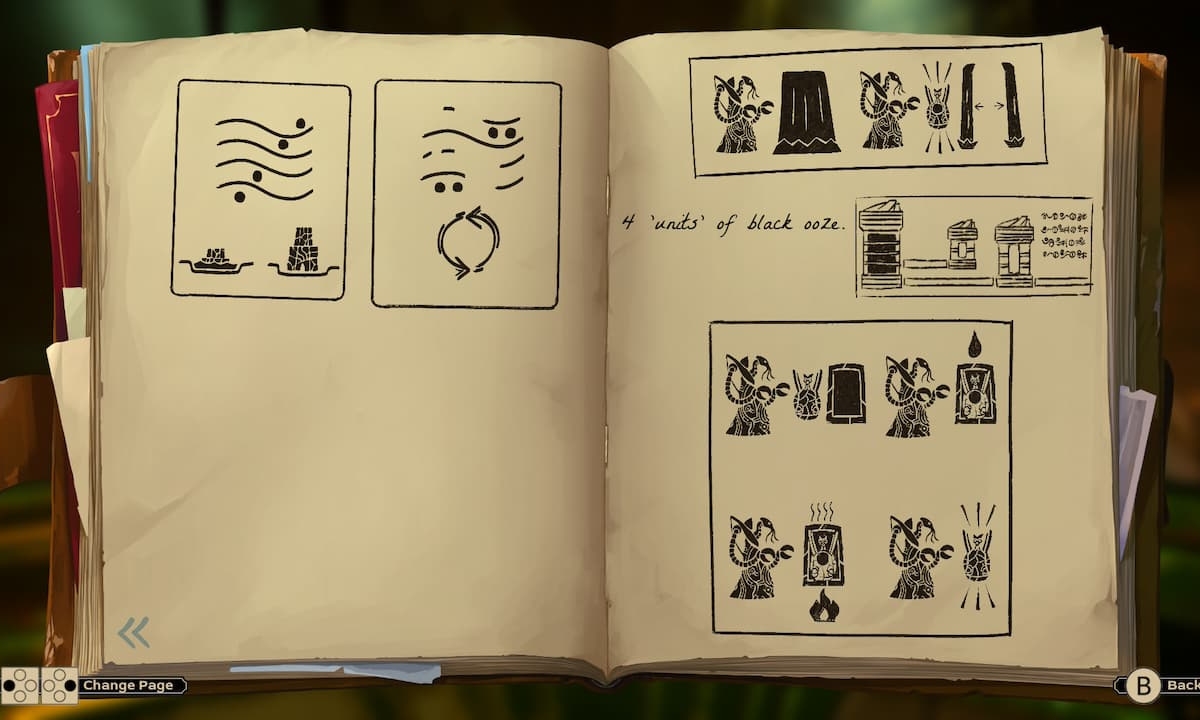
    If one thing unites the major reviews, it’s the puzzle design — more layered than Call of the Sea’s object-based mechanics, more satisfying to complete, and more tightly tied to the Lovecraftian themes of the setting. Creative Bloq, whose review is headlined “brilliant puzzles buried inside an oddly cosy cosmic horror,” treats the design as the game’s primary achievement.

    The hint system gets specific praise from GameSpew as a meaningful improvement over the first game, which had none. That said, GameSpew also notes the hint solutions aren’t always well-explained, and TheSixthAxis and GameMAG both flag individual puzzles that tip from challenging into obscure. The overall design is strong; the outliers are frustrating rather than satisfying. IGN Italy raised an additional structural concern most reviews didn’t: the dual-protagonist mechanic feels underutilized in practice despite being interesting on paper.

    Presentation: widely praised, with a few caveats

    The visual and audio presentation draws near-universal admiration. But Why Tho called the art style “gorgeously cartoonish” and praised the orchestral soundtrack. DualShockers described the environments as “breathtaking,” noting the team’s ability to generate uneasy dread while maintaining the whimsical warmth that defined Call of the Sea. The game runs on Unreal Engine 5, and Creative Bloq — reviewing the Xbox Series X|S version — cited “bold and colourful visual design” as a standout strength.

    The recurring caveat is the 2D cutscene style. DualShockers found it “a tad outdated,” though stopped short of calling it a serious problem. DayOne described the cutscenes as feeling “out of place.” Outside of those cutscene complaints, the broader presentation is one of the most consistently praised parts of the game.

    The full critic breakdown

    DualShockers · 10/10 — Called it the “first great Lovecraft game of 2026.” Praised story, atmosphere, and presentation. Minor criticism of the 2D cutscene style.

    PSX Brasil · 84/100 — Praised character writing, Lovecraftian setting, puzzle evolution, art direction, and soundtrack. Noted some visual technical limitations and demanding puzzles.

    IGN Italy · 8/10 — Called it “mature and highly rewarding.” Flagged underutilized dual-protagonist mechanics and occasional puzzle stumbles.

    COGconnected · 80/100 — Praised puzzle cleverness and hint system. Flagged pacing issues and frustration from obscure puzzles.

    Creative Bloq · No score — Outstanding puzzles, visual design, and lead characters. The world never feels as deep as the ideas driving it.

    GameSpew · No score — Must-play for puzzle fans. Story weaker than Call of the Sea. Switch 2 version played “beautifully smooth” with no glitches reported.

    GameMAG · 7/10 — Worthy sequel with an engaging story. Several ideas feel unpolished. Review in Russian.

    TheSixthAxis · 7/10 — Very good puzzle adventure. Best puzzles are excellent; some quality dips drag things down. Recommends Call of the Sea first for newcomers.

    Xbox Achievements · 75% — Positive but measured. Among the listed reviews, the lowest numerical score.

    DayOne · No score — Brain teasers are genuinely well-designed; the plot eventually hooks. Criticized 2D cutscenes and deliberate pacing.

    The Call of the Sea comparison

    GameSpew put it plainly: the story is not quite as good as the predecessor, primarily because Call of the Sea’s single-island setting created a depth of immersion the globe-trotting sequel can’t replicate. TheSixthAxis and Creative Bloq land in the same place. The opposing view — held by DualShockers and IGN Italy — is that the sequel is a worthy, even superior evolution, with IGN Italy seeing it as a “mature evolution” that handles grief and loss with unexpected intimacy. Where you land will depend on what you valued most in the first game.

    Switch 2 performance: disputed

    Earlier reporting flagged frame-rate drops and reduced textures on Switch 2. GameSpew, who also reviewed the Switch 2 version, directly contradicts this, calling it “beautifully smooth” with no glitches, and describing handheld play as a genuine treat. Two reviewers on the same platform reaching opposite conclusions means the honest answer is: unclear. So far, the clearest performance disagreement appears to be around Switch 2 rather than Xbox or PS5.

    Who should play this

    Play it if you enjoy first-person puzzle adventures, liked Call of the Sea, have Game Pass, or are drawn to Lovecraftian mystery without needing combat or horror mechanics.

    Skip or wait if you need a strong narrative to stay engaged, find obscure puzzles more frustrating than satisfying, or are on Switch 2 and sensitive to frame-rate inconsistency — wait until more performance data accumulates on that platform.

    The Game Pass case is simple: a 79-average puzzle adventure with roughly 5–10 hours of content depending on puzzle pace costs subscribers nothing extra to try.
  • Saros Review: Is Housemarque’s New PS5 Exclusive Worth Buying?

    Saros Review: Is Housemarque’s New PS5 Exclusive Worth Buying?

    I went into Saros expecting a polished follow-up to Returnal. What I did not expect was to still be thinking about it days later, turning its mechanics over in my head the way you do with games that genuinely shift how you think about a genre. Housemarque has not just improved on Returnal — they have built something that comfortably stands as one of the strongest PS5 exclusives released in recent years.

    Saros launches on April 30, 2026, exclusively on PlayStation 5, with PS5 Pro enhancements supported at launch. This Saros review breaks down the combat, progression, story, PS5 Pro features, buying options, and the kind of player most likely to enjoy Housemarque’s latest roguelite.

    Saros Review — Combat That Demands Everything and Gives Back More

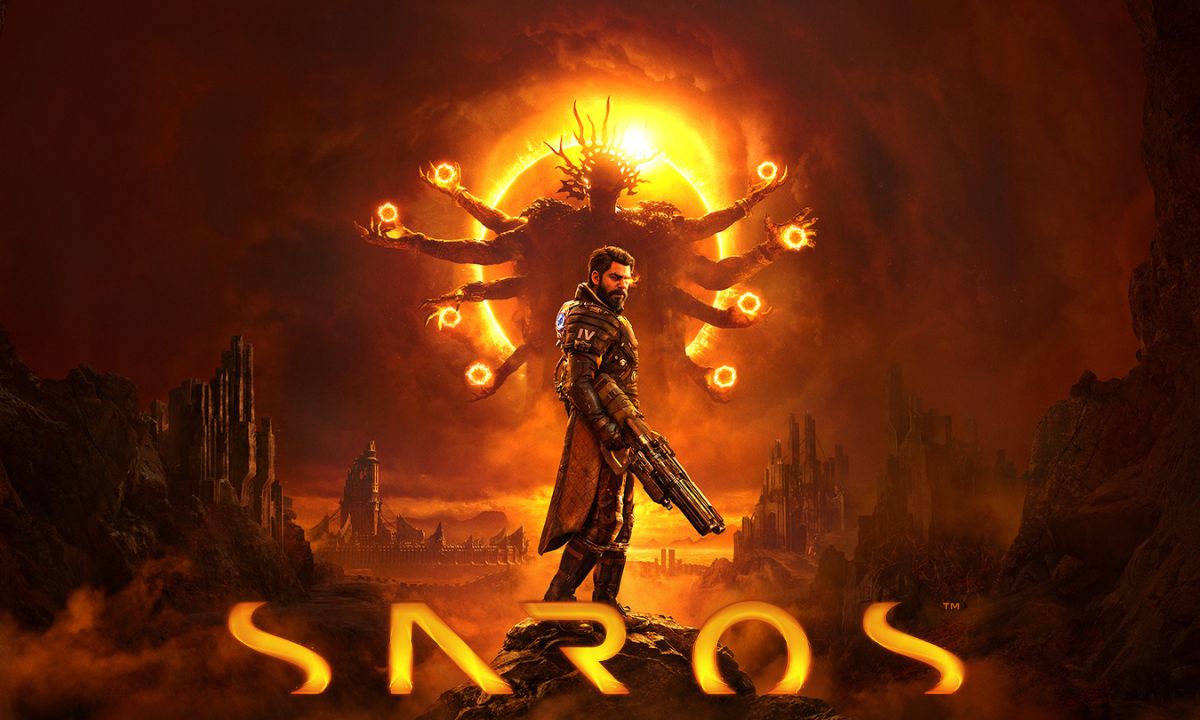
    The moment combat clicked in this Saros review playthrough, I understood how confidently Housemarque had expanded its action formula beyond Returnal. You play as Arjun Devraj, a Soltari Enforcer sent to investigate a lost colony on Carcosa — a hostile world warped by the shadow of an ominous Eclipse. The Soltari Shield is your most important tool. It absorbs blue projectiles to charge your Power Weapon, while red projectiles demand a dodge or parry, and yellow corrupted shots during Eclipse escalation chip away at your maximum armor unless cleansed with your Power Weapon. Keeping all three threat types in mind simultaneously, at 60 frames per second, with projectiles filling the screen, is as demanding and as satisfying as it sounds.

    Housemarque has also pushed DualSense integration further than most PS5 games attempt. Pulling L2 halfway activates your main weapon’s alt fire — grenade launchers, ricochet rounds, heavy slow shots — while pulling it fully fires your Eclipse-driven Power Weapon. That two-stage trigger design turns every combat encounter into a physical rhythm as much as a visual one, and it never loses its appeal across hours of play.

    Carcosa Is One of Gaming’s Most Atmospheric Settings

    Saros Reviews

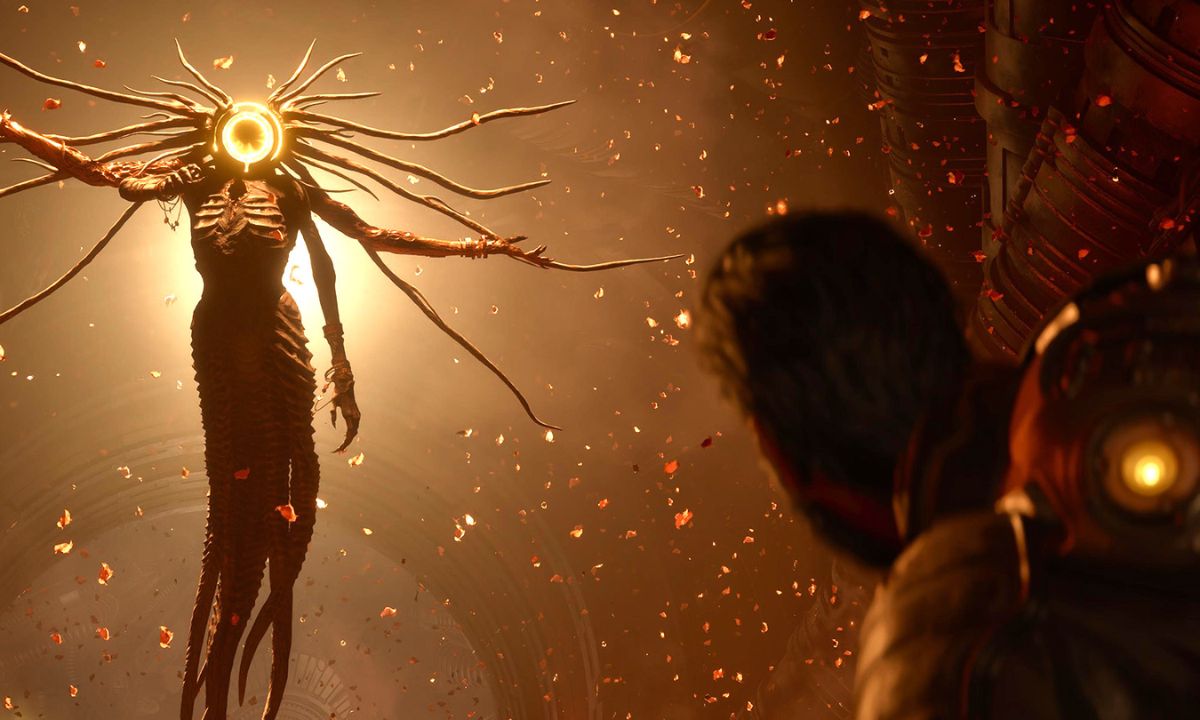
    Carcosa itself is a triumph. The planet establishes an unnerving atmosphere from the first minutes — one that does not let go. Between runs, you return to The Passage, a vast Carcosan temple that serves as the game’s hub, where you speak with your Echelon IV crew, collect resources, and slowly piece together what happened to the three colony ships that went dark before your arrival. Story information arrives gradually through audio logs, environmental detail, and crew conversations, which keeps the mystery alive without ever fully explaining itself.

    The 3D audio is exceptional. Sam Slater’s score distorts into layers of drone guitars the moment Eclipse escalation begins, and with headphones in, the sound design alone is enough to keep you unsettled even during quieter moments between fights.

    Saros Review: Progression That Finally Respects the Player’s Time

    My biggest concern going into this Saros review was whether Housemarque had addressed Returnal’s most punishing problem — the sense that a single failed run could erase meaningful progress. They have, and the solution is well-designed rather than simply generous. The Lucenite and Halcyon you collect across every run feed into the Armor Matrix back at The Passage, a permanent skill tree that carries between cycles regardless of how a run ends. Once you clear a biome, you can return to unlocked areas more directly rather than replaying content to reach the next zone. Most failed runs still feed into permanent progress, provided you have collected enough resources along the way.

    The Second Chance feature revives you instantly on your first death, removing the gut-punch of losing a long run to a single mistake. I did not test Carcosan Modifiers for this review, but the feature set is clear: Protection Modifiers include Damage Enhancement, Shield Power Enhancement, and Overlord Restoration for players who want an easier path, while Trial Modifiers such as Weapon Decay, Hostile Death Projectiles, Growth Incapacitor I, and Growth Incapacitor II are aimed at players who want a harsher version of the default experience.

    On the accessibility side, Housemarque has added color blindness support that distinguishes between Normal, Corrupted, and Nova projectiles, a Dialogue Focus mode, and full controller remapping. For a game built around reading fast-moving projectile types, the color blindness support in particular is not an afterthought — it is fundamental to whether the game is playable for a significant portion of its audience.

    PS5 Pro Performance Worth Knowing Before You Buy

    Saros runs at a rock solid 60fps on standard PS5 and already looks outstanding. On PS5 Pro, Housemarque has updated to the latest version of Sony’s PSSR upscaler and increased the base render resolution before upscaling, with dynamic resolution maintaining that frame rate even during the most hectic combat. Housemarque says the PS5 Pro version delivers a sharper image in scene-to-scene comparison with the standard PS5 version. The game switches to 30fps only during key story cinematics, where Housemarque prioritized peak rendering quality over frame rate for the most narratively significant moments. If you are on PS5 Pro, the confirmed image-quality upgrades are worth factoring into your buying decision.

    Housemarque also released the official launch trailer on April 23, giving one of the clearest pre-launch looks at what Saros offers. The trailer opens with Stack, played by Keone Young, and establishes the tone of Carcosa through the Cathedral, one of the game’s most striking environments. It also teases story-focused spaces outside Carcosa entirely — a future London alley and a hotel corridor that Arjun moves through as part of the narrative. On the combat side, the trailer highlights the Chakram and the Illumine Beam Power Weapon, two of the game’s key tools, alongside the multiple weapon archetypes and cycle-generated weapon variants that keep each run feeling distinct. Boss fights against the Overlords of Carcosa also appear, and they look as demanding as anything Housemarque has built before.

    Where the Story Falls Short

    Saros PS5 Reviews

    No Saros review is complete without being direct about where the game does not fully deliver. The narrative intrigues consistently but moves you emotionally far less often. The cast feels thinly drawn at times, and the audio logs that carry much of the world-building occasionally descend into near-incoherence as the Eclipse corruption takes hold of the supporting characters. Rahul Kohli’s performance as Arjun is genuinely strong — there is real weight behind his delivery — but the characters around him rarely reach the same depth. The larger story left me thinking rather than feeling, which is enough to keep you pushing through runs but leaves something unresolved by the credits.

    The character models during in-game conversations also lack the fidelity of the voice performances. In a handful of emotionally significant scenes, that gap is distracting in a way that is hard to ignore.

    Saros Review Buying Guide — Editions, Prices, and Bonuses

    For readers coming to this Saros review mainly to decide which edition to buy, the choice is straightforward.

    Saros is available in two editions. The standard edition is priced at $69.99. The Digital Deluxe Edition is $79.99 and includes 48-hour early access starting April 28, plus three Enforcer suits inspired by Returnal, Ghost of Yōtei, and God of War — the Astra, Onryo, and Midgard Armors. Players who pre-order either edition before launch receive the Hands of Shore Armor. The Digital Deluxe upgrade can also be purchased separately for players who buy the physical edition. Full edition details are available on the official PlayStation store page.

    Saros is a single-player action game, confirmed by PlayStation’s official FAQ. It carries a Teen rating from the ESRB for Blood, Language, Mild Suggestive Themes, and Violence — worth knowing if you are buying for younger players. Reports citing PlayStation Game Size list the PS5 preload at about 83.44GB, with Deluxe Edition preloading from April 21 and Standard Edition preloading from April 23, though PlayStation has not officially confirmed that file-size figure at the time of writing.

    Saros Review Verdict — A Must-Play for Returnal Fans, With One Important Caveat

    Saros is one of 2026’s strongest-reviewed games so far, sitting at 88 on Metacritic at the time of this review, while OpenCritic scores remain highly positive but may shift as more reviews are added. Those numbers reflect a game that genuinely earns them across combat design, audio, visual presentation, and progression. If you enjoyed Returnal or have any appetite for punishing-but-fair third-person action with a compelling mystery at its center, Saros is one of the easiest recommendations of the month for PS5 players.

    If you dislike repeated runs, bullet-hell combat density, or stories that reveal themselves slowly through environmental detail rather than direct cutscenes, Saros will test your patience and may not be for you. The story’s emotional distance and occasionally murky supporting cast are real limitations. But for the audience Housemarque is making this for, those are manageable flaws inside an otherwise exceptional package.


    Platform: PS5, PS5 Pro enhanced Developer: Housemarque Publisher: Sony Interactive Entertainment Release Date:April 30, 2026 Price: $69.99 standard / $79.99 Digital Deluxe