Category: News

The latest gaming news from Game Empress, covering release date announcements, trailers, studio updates, and major industry stories across PC, console, and mobile platforms.

  • Wild Arms 4, the Classic PlayStation 2 RPG, Returns on PS5 and PS4

    Wild Arms 4, the Classic PlayStation 2 RPG, Returns on PS5 and PS4

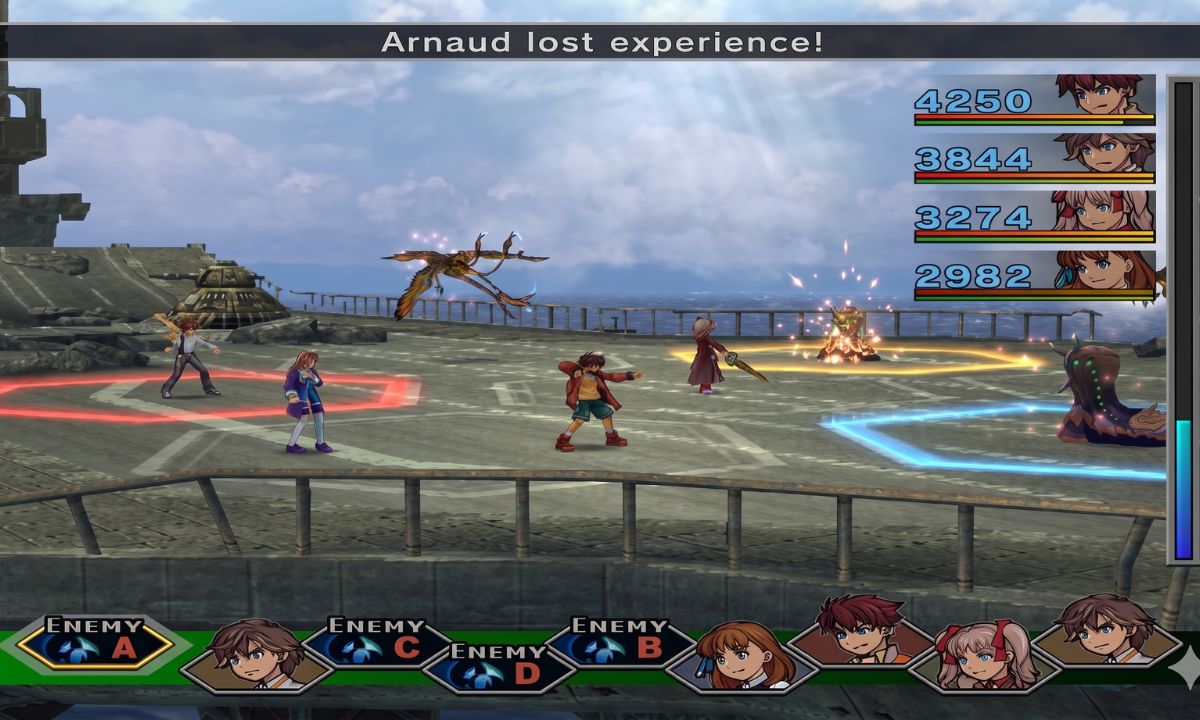
    ony is bringing Wild Arms 4 back to modern PlayStation hardware, with the classic RPG joining the PlayStation Plus Premium lineup on April 21 for PS5 and PS4. The game was confirmed as part of PlayStation’s April 2026 catalog update, which adds another entry from the long-running series to current systems.

    A classic return, not a remake

    This is not a remake announcement, and it is not being positioned like one. Wild Arms 4 is returning as a classic catalog release, which means players are getting the original game with a set of modern support features rather than a rebuilt version with overhauled visuals or redesigned systems. The official description says the release is enhanced with up-rendering, rewind, quick save, and custom video filters.

    That distinction matters because the word “returning” can create the wrong expectation. In this case, the appeal is preservation and access. For players who missed the game during the PlayStation 2 era, this is a straightforward way to revisit a title that has not exactly stayed in the spotlight over the years.

    The 2005 label only tells part of the story

    Wild Arms 4, the Classic PlayStation 2

    A lot of shorthand coverage around the game treats it as simply a “2005 PlayStation 2 title,” and that description needs context. Wild Arms 4 launched in Japan on March 24, 2005, but the U.S. release followed on January 10, 2006. So the 2005 label is not wrong, but it is incomplete if it is presented as the whole release history.

    That is why the cleaner way to frame the story is to call Wild Arms 4 a classic PlayStation 2 RPG rather than lean too heavily on a single year. It tells readers what matters without dragging the headline into unnecessary regional date confusion.

    Filgaia returns on modern hardware

    The setup remains one of the game’s biggest selling points. The official description places Wild Arms 4 in Filgaia, a world still left scarred by a brutal war even after peace was supposedly won. That backdrop helped give the series its own identity, blending wasteland imagery, melancholy fantasy, and science-fiction elements in a way that stood apart from many other RPGs of its era.

    For longtime fans, that is likely the real hook behind this release. It is not just that an old game is being resurfaced. It is that one of the later mainline Wild Arms entries is becoming easier to access again on active PlayStation platforms, giving the series another bit of visibility after spending years mostly in the background. That broader reading is an inference from PlayStation’s current catalog strategy and existing storefront availability for earlier entries in the series.

    What players should expect on April 21

    PlayStation says the full April lineup will be available on April 21. The company also notes that PlayStation Plus Game Catalog and PlayStation Plus Premium/Deluxe lineups may differ by region, and tells players to check the PlayStation Store on release day. That means the release itself is confirmed, but exact regional availability may still vary depending on market.

    That caveat is worth keeping in mind, especially for players outside the U.S. or those who expect every catalog addition to appear identically across regions. The important part, though, is already locked in: Wild Arms 4 is on the way back for PS5 and PS4, and it is arriving as part of the Premium lineup rather than as some vague future catalog possibility.

    A smaller comeback that still matters

    This is not the kind of return that suddenly turns Wild Arms into one of PlayStation’s biggest active franchises again. But that is not really the point. For players who care about classic Japanese RPGs, getting Wild Arms 4 back onto current hardware is still a meaningful addition. It preserves another PlayStation 2-era title, makes it easier to access, and gives a once less-visible entry in the series a fresh window on modern consoles.

  • Assassin’s Creed: Black Flag Resynced Reportedly Gets Release Date

    Assassin’s Creed: Black Flag Resynced Reportedly Gets Release Date

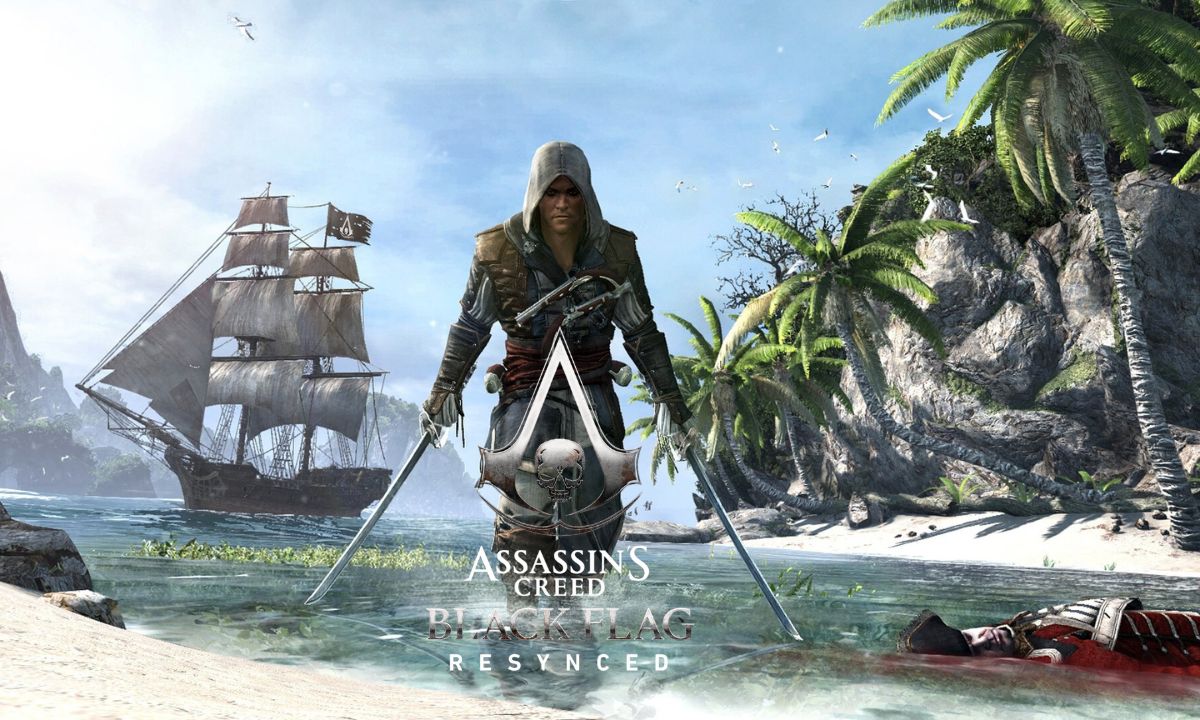
    Edward Kenway’s return to the Caribbean may now have a launch window. Insider Gaming reports that Assassin’s Creed: Black Flag Resynced is set to release on July 9, 2026, following a private media showcase held on April 16. According to the report, Ubisoft had planned to publicly unveil the game that same day before pushing the announcement back by a week at the last minute. Ubisoft has not officially confirmed the date through its own channels.

    Insider Gaming says the July 9 date was shared during a roughly 30-minute closed-door presentation for select journalists and content creators. That report lines up with wider coverage pointing to a delayed public reveal rather than an official launch-date announcement from Ubisoft itself. For now, the July release window should be treated as strongly reported, not formally confirmed.

    Adding weight to the report, a listing for Black Flag Resynced briefly appeared on the Ubisoft Connect launcher before being pulled. Insider Gaming reported that the image showed Edward Kenway in a new black-and-gold outfit against a battered ship, stormy skies, and a burning pirate flag, alongside wording that mentioned day-one availability through Ubisoft+ Premium.

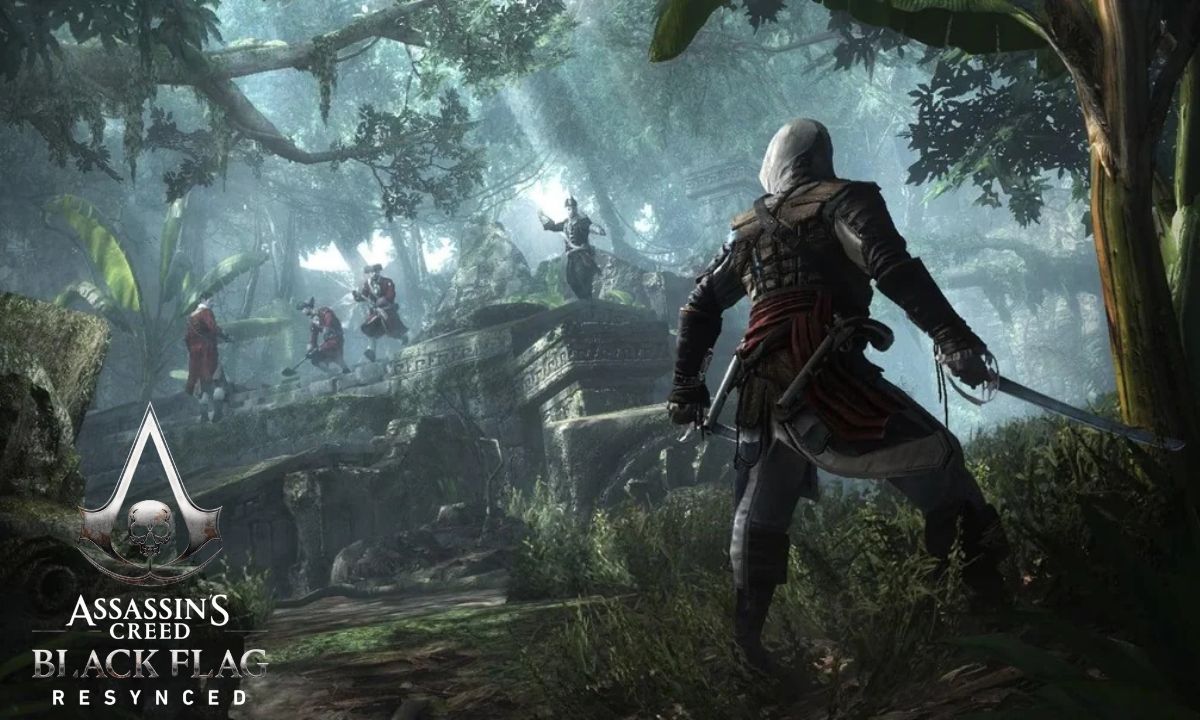
    Assassin's Creed: Black Flag Resynced

    One of the more notable details from the presentation is Ubisoft’s reported approach to the remake. According to Insider Gaming, the company positioned Black Flag Resynced as a solo, character-driven adventure rather than a loot-heavy RPG. That would place it closer in spirit to the 2013 original, even as it introduces modern visual and gameplay upgrades.

    The project has been building toward this moment for months. Ubisoft’s March 4 Assassin’s Creed: Into 2026 update stopped short of naming the game outright, but it included a clear nautical tease from franchise Head of Content Jean Guesdon, telling fans to “keep your spyglass on the horizon.” That followed earlier comments from Ubisoft CEO Yves Guillemot, who said the publisher was working on remakes of older Assassin’s Creed titles.

    Recent leaks have also suggested this is more than a simple visual remaster. Insider Gaming previously reported that an Indonesian ratings-board listing described Black Flag Resynced as featuring new characters and stories while remaining faithful to the original experience. Ubisoft, however, has not officially detailed those changes yet.

    For now, Ubisoft’s full reveal is still expected next week. Until then, the reported July 9 release date, launcher listing, and fresh wave of leaks all point to the long-rumored remake finally nearing port — even if the publisher has not raised the flag just yet.

  • Metro 2039 Revealed, Launches Winter 2026

    Metro 2039 Revealed, Launches Winter 2026

    Seven years after Metro Exodus, 4A Games and Deep Silver have fully revealed the next mainline Metro game. Metro 2039, the fourth mainline entry in the post-apocalyptic first-person shooter series, was unveiled on April 16, 2026, during a digital-only “Xbox First Look” broadcast, which featured a cinematic reveal trailer, developer interviews, and a first look at gameplay.

    Metro 2039 is scheduled to launch in Winter 2026. According to the official Deep Silver website, the game will launch simultaneously on PlayStation 5, Xbox Series X|S, and PC via Steam, Epic Games Store, and Xbox on PC.

    Setting and Story of Metro 2039

    Metro 2039 is set in post-apocalyptic Moscow in the year 2039 and returns the series to the tunnels beneath the city. For a quarter century, survivors of a nuclear war have been locked in bitter conflict deep within the Metro tunnels beneath the poisoned city.

    In this new entry, the many independent factions that once populated the tunnels have been united under a single authoritarian regime known as the Novoreich, led by a returning character from the series: Hunter, now cast as a fascist dictator. The regime rules through propaganda and fear, subjugating the population in the name of a renewed war against a mysterious surface enemy.

    Players will take on the role of a new protagonist known as “The Stranger,” a reclusive figure haunted by violent waking nightmares who is drawn out of exile and forced to undertake a harrowing journey into the shattered ruins of Moscow. In a first for the mainline Metro games, The Stranger will be a fully voiced protagonist, departing from the silent-hero approach of previous entries.

    A New Story Written with Dmitry Glukhovsky

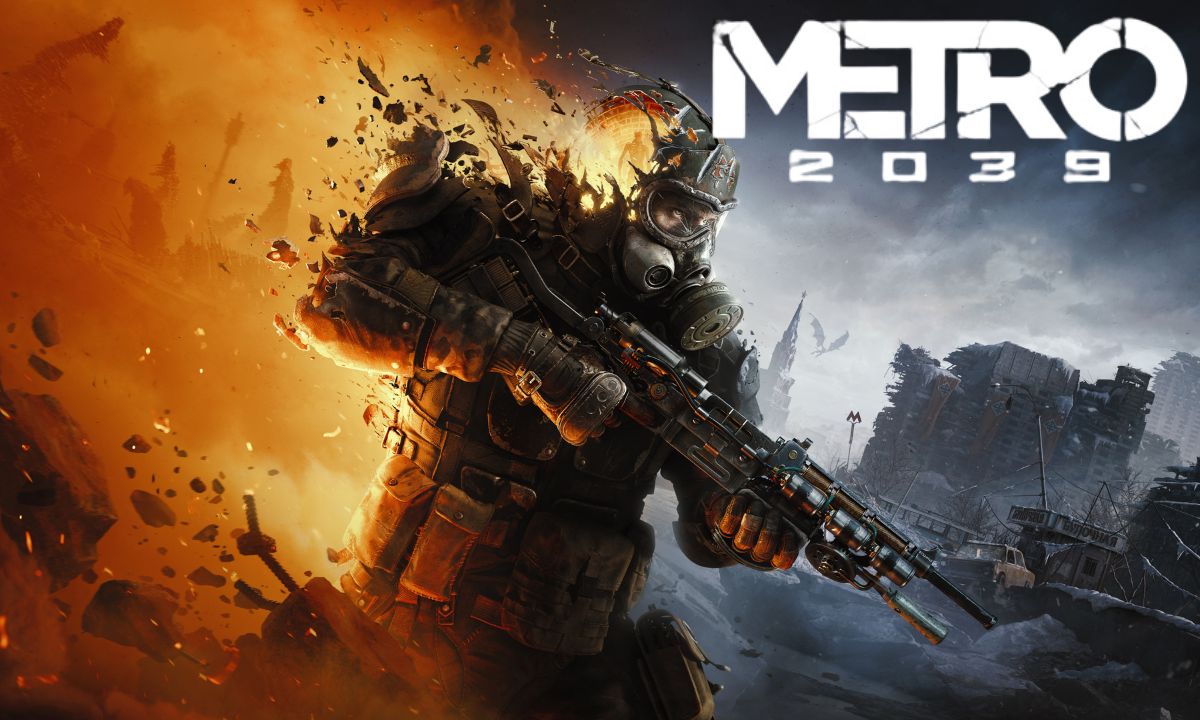
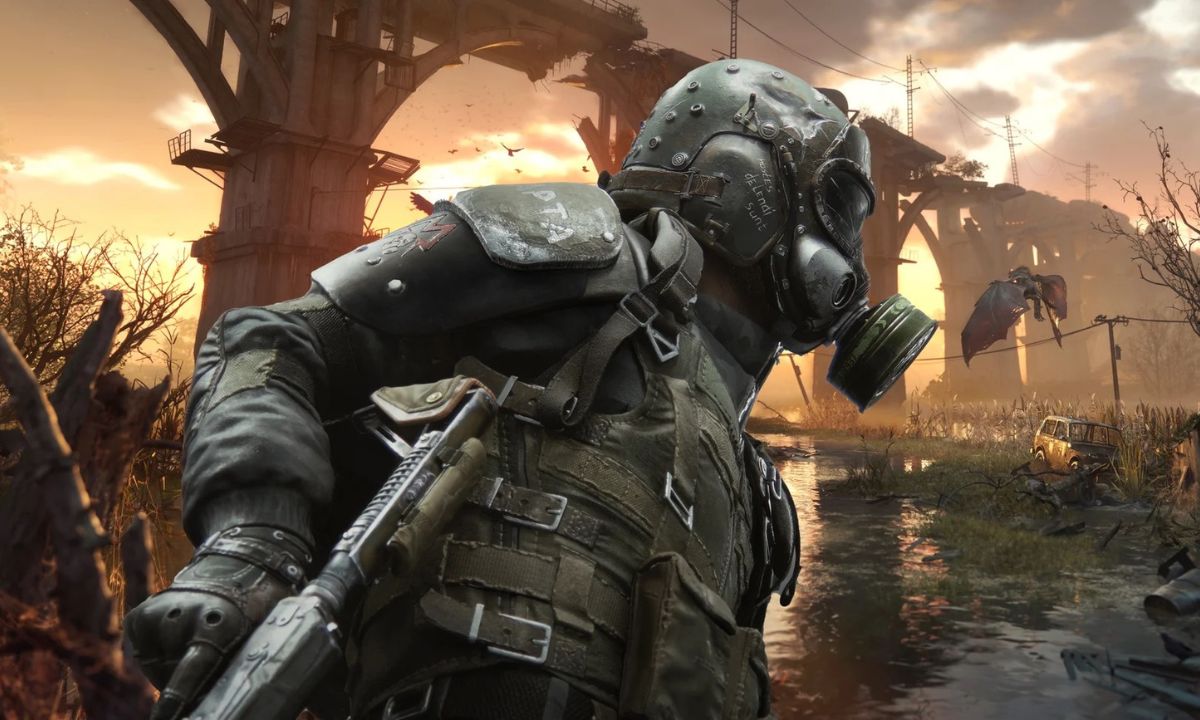
    Metro 2039

    Metro 2039 features an original story created by 4A Games in collaboration with Dmitry Glukhovsky, the author of the best-selling Metro book series on which the games are based. According to Deep Silver, the story is not an adaptation of a specific novel but is inspired directly by the world Glukhovsky created.

    Glukhovsky has stated that Metro 2039 will be “darker than anything you’ve seen before” in the series. His involvement comes during a difficult period for the author, who, as confirmed on the PlayStation Blog, is currently living in exile from Russia after being sentenced to eight years in prison in absentia for publicly criticising the invasion of Ukraine.

    A Game Shaped by War

    4A Games has been open about how the Russian invasion of Ukraine has directly influenced the development of Metro 2039. The studio was founded in Kyiv in 2005 and remains majority Ukrainian, with team members now spanning more than 25 nationalities and working primarily from offices in Kyiv and Malta.

    In official communications, the studio confirmed that many team members have had to shelter from drone strikes and rely on batteries and generators to complete their work during development. The studio has said the experience of the ongoing war has fundamentally shaped the story of the game, with a stronger focus on themes of choice, consequence, and the cost of securing a future.

    Gameplay and Visual Direction

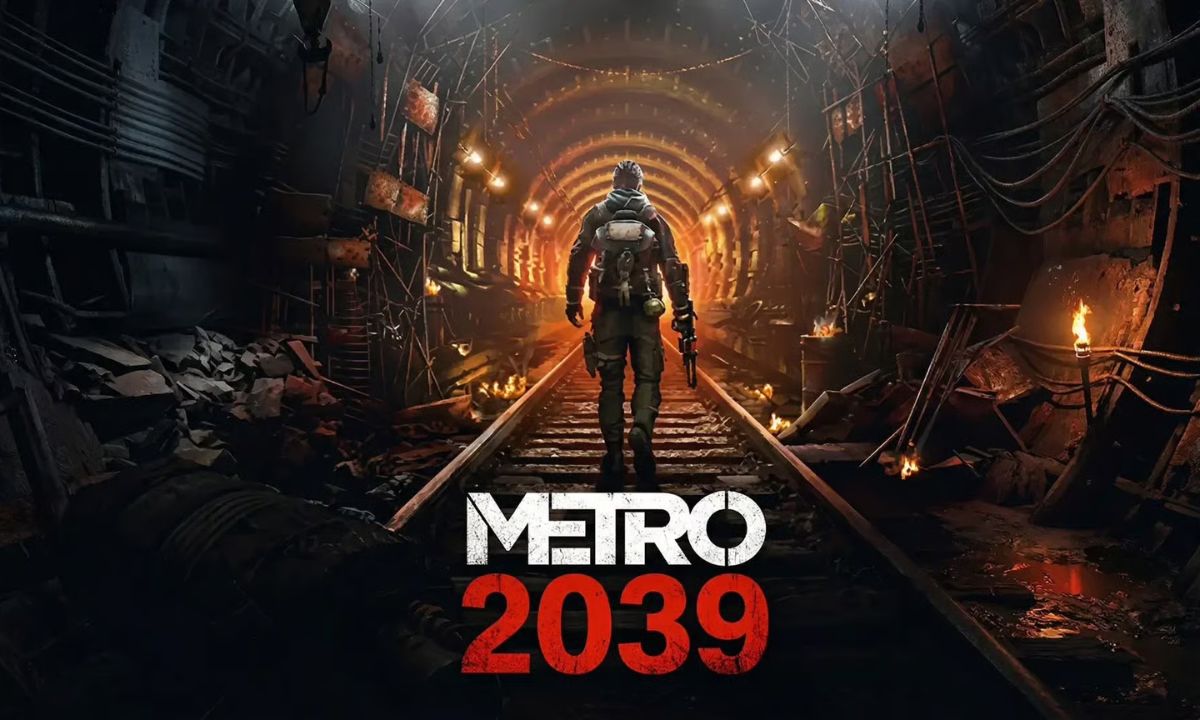
    Metro 2039

    According to Creative Director Andriy “mLs” Shevchenko, Metro 2039 returns to the series’ roots by going “back to the tunnels and leaning into what makes Metro, Metro.” After the more open spaces explored in Metro Exodus, the new game focuses once again on the claustrophobic atmosphere, psychological horror, and handcrafted level design the series is known for.

    A key design concept introduced by the team is what they call “frozen stories,” an approach to environmental storytelling in which each area is carefully staged with items, bodies, and props to allow players to piece together micro-narratives as they explore.

    Executive Producer Jon Bloch described the approach in the Xbox Wire recap: “Nothing is prefabricated – everything is unique and grounded. When you walk into a room, it’s clear that a person lived there. You can feel what they were doing right before they left or died.”

    The gameplay tease shown during the presentation included:

    • A ruined Metro station setting
    • Familiar handcrafted weapons and the series’ signature wristwatch HUD
    • A combat encounter with returning mutants called Nosalises
    • Signs of resource and weapon maintenance mechanics, including a weapon misfire

    Built on 4A Games’ Custom Engine

    Like all previous entries in the series, Metro 2039 is being built using 4A Games’ proprietary custom engine. The studio has stated that it is rebuilding its implementation of ray tracing for this entry, with the aim of delivering a more tuned and performant experience while maintaining the visual quality the series is known for.

    Platform Availability for Metro 2039

    Based on the official Deep Silver product page, Metro 2039 is confirmed for:

    • PlayStation 5
    • Xbox Series X|S
    • PC via Steam
    • PC via Epic Games Store
    • PC via Xbox on PC (including Microsoft Store)

    A Nintendo Switch 2 version has not been announced.

    Release Summary of Metro 2039

    • Title: Metro 2039
    • Developer: 4A Games
    • Publisher: Deep Silver
    • Platforms: PS5, Xbox Series X|S, PC (Steam, Epic Games Store, Xbox on PC)
    • Release Window: Winter 2026
    • Protagonist: “The Stranger” (fully voiced)
    • Story collaborator: Dmitry Glukhovsky

    A specific release date has not yet been announced. More details on gameplay, story, and the final launch date are expected throughout the year as 4A Games and Deep Silver continue their marketing campaign. For fans of the series, the long wait since Metro Exodus in 2019 is finally coming to an end, with a return to the tunnels that defined the franchise.

  • Total Chaos Comes to Nintendo Switch 2 on April 29

    Total Chaos Comes to Nintendo Switch 2 on April 29

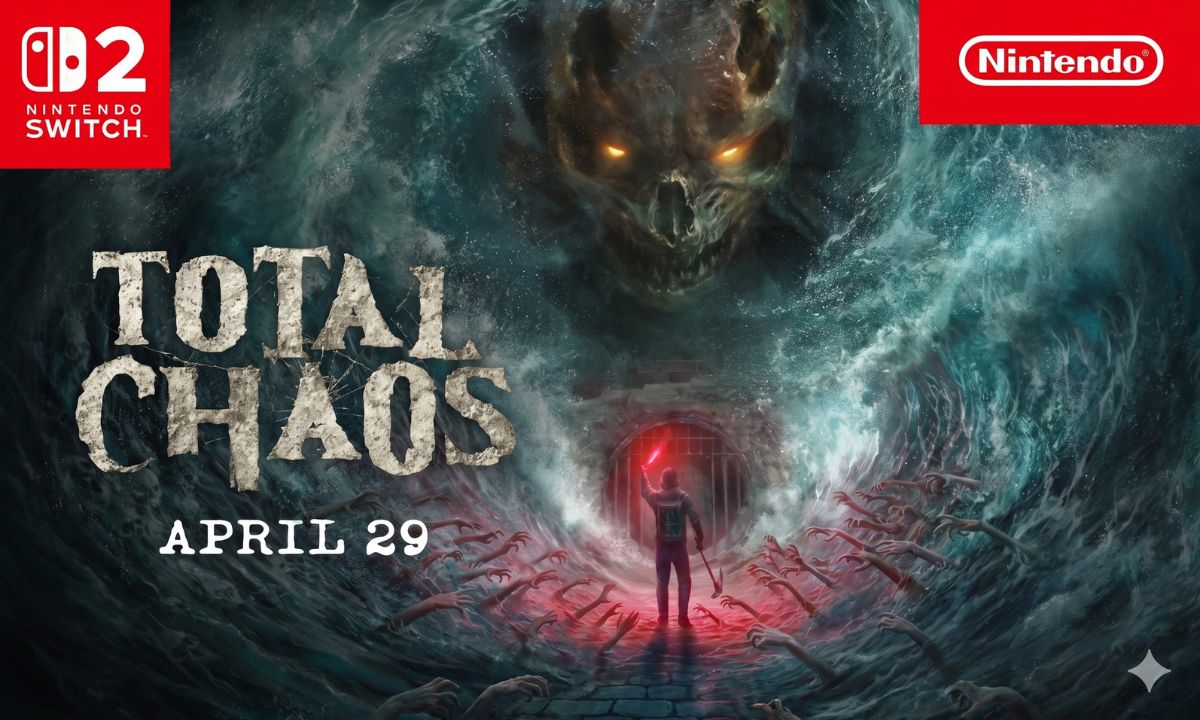
    The acclaimed psychological survival horror game Total Chaos is officially making its way to the Nintendo Switch 2. Publisher Apogee Entertainment, developer Sam Prebble of Trigger Happy Interactive, and Atari’s publishing label Infogrames have confirmed that the game will launch on Nintendo’s new console on April 29, 2026.

    The announcement was revealed alongside a brand-new trailer showcasing how the horror title looks and performs on the Switch 2 hardware. The game will be available as a digital download on the Nintendo eShop at a price of $24.99, with pre-orders already live in North America at a limited-time discounted rate of $22.49. Other regions are set to follow in the days after the North American launch.

    From a Doom 2 Mod to a Standalone Horror Experience

    The story behind Total Chaos is as compelling as the game itself. The project began life as a total conversion mod for the classic 1994 shooter Doom II, created single-handedly by New Zealand-based developer Sam Prebble, who was then known in the modding community as “Wadaholic.” The mod, first released in its complete form on October 30, 2018, drew significant attention for trading Doom’s colorful sprites and hellish demons for 3D models, genuine atmospheric dread, and a serious attempt at psychological horror.

    The mod was so well received that it won a 2018 Cacoward, one of the most respected honors in the Doom modding community. Following the success of Prebble’s first commercial release, Turbo Overkill, he returned to Total Chaos with the goal of reimagining it as a full standalone game using Unreal Engine 5. That version originally launched on November 20, 2025, for PlayStation 5, Xbox Series X|S, and PC (via Steam, Epic Games Store, GOG, and the Microsoft Store).

    Nintendo Switch 2 Version: Technical Details

    Total Chaos Nintendo Switch 2

    The Nintendo Switch 2 release of Total Chaos is designed to take advantage of the new hardware. Confirmed specifications include:

    • Resolution: 1080p in docked mode and 720p in handheld mode
    • Frame rate: Selectable performance and unlocked-framerate modes targeting 60 frames per second
    • Controls: Full support for the new Joy-Con 2 mouse functionality and gyro aiming
    • Content: The Switch 2 version launches with the latest announced content updates, including the New Game+ update

    The inclusion of Joy-Con 2 mouse and gyro controls could make this version particularly appealing to horror fans who want a more precise aiming experience without being tied to a traditional setup.

    New Game+ Update Included at Launch

    One of the biggest additions for Switch 2 players is that the game will launch with the recently released New Game+ update already included. This ensures Switch 2 owners will receive the most up-to-date version of the game at launch. The New Game+ mode adds:

    • An alternate ending
    • New death animations
    • Previously unexplored locations
    • Expanded story content
    • A new persistent stalker enemy type called “The Hunter” who tracks the player throughout subsequent playthroughs

    These additions are designed to increase both tension and replayability for returning players and newcomers alike.

    Original Soundtrack by Akira Yamaoka

    One of Total Chaos’s most notable features is its haunting original soundtrack. The game’s theme and end-credits track were composed by Akira Yamaoka, the legendary composer best known for his work on the Silent Hill series. Yamaoka is joined by the original Total Chaos mod composers Jason Dagenet and William Braddell, along with Apogee’s in-house music team of Chipper Hammond, Tim Stoney, and Mathieu Hallouin. Together, they have crafted an ambient, unsettling soundscape that complements the game’s oppressive atmosphere.

    Core Gameplay Features

    Total Chaos blends hallmarks of classic and modern survival horror with the level design sensibilities of early 1990s shooters. Key gameplay elements include:

    Immersive atmosphere across the nine chapters of Fort Oasis
    Environmental storytelling through cryptic notes, haunting visuals, and unsettling encounters
    Crafting and weapon upgrades using scavenged materials
    Deep inventory and resource management, where limited space forces careful decisions
    Distinct enemy types that require different strategies to overcome

    A New Addition to the Switch 2 Horror Lineup

    The arrival of Total Chaos on Switch 2 adds to the console’s growing lineup of mature and horror-focused titles. For fans of psychological horror, resource management, and atmospheric dread, this release offers an opportunity to experience a well-received indie horror game released in 2025 on a portable platform, complete with the latest content updates from day one.

    With its combination of old-school survival tension, modern visuals powered by Unreal Engine 5, flexible performance options, and the use of Joy-Con 2 mouse controls, Total Chaos is a horror title that makes notable use of the new hardware features.

    Release Summary

    Title: Total Chaos
    Platform: Nintendo Switch 2 (also available on PS5, Xbox Series X|S, and PC)
    Release Date: April 29, 2026
    Price: $24.99 (pre-order discount: $22.49)
    Developer: Trigger Happy Interactive (Sam Prebble)
    Publishers: Apogee Entertainment and Infogrames (Atari)

    Pre-orders are available now on the Nintendo eShop in North America, with other regions to follow shortly. Fans of psychological horror looking for their next game on the go will not have to wait much longer to descend into the dread of Fort Oasis.

  • Konami Announces eBaseball PRO SPIRIT 2026 for PS5 and PC

    Konami Announces eBaseball PRO SPIRIT 2026 for PS5 and PC

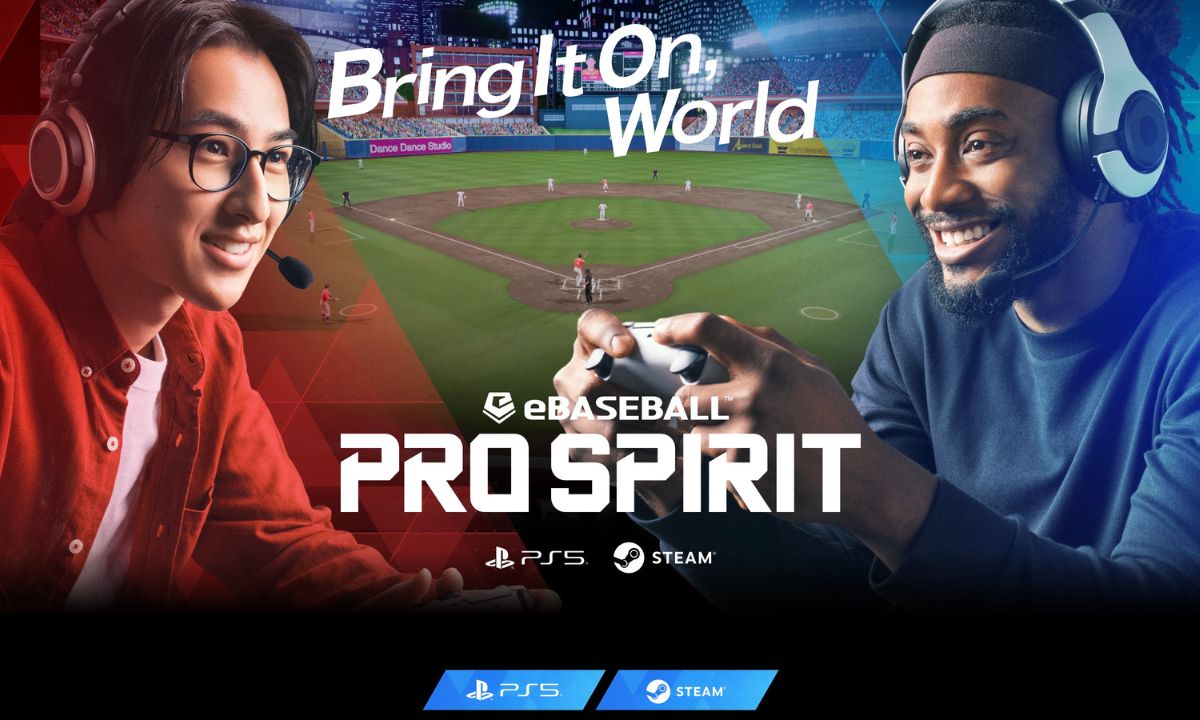
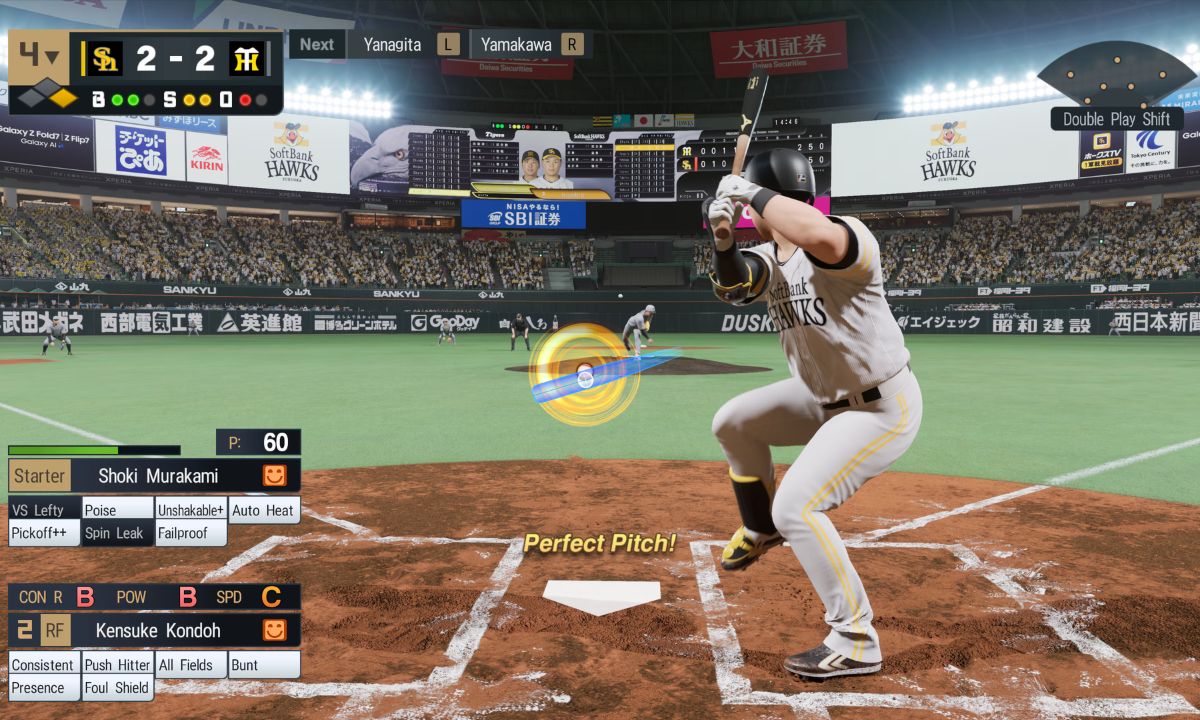
    Konami has announced eBaseball PRO SPIRIT 2026 for PlayStation 5 and PC via Steam, with a worldwide digital launch confirmed for July 16, 2026. The game is priced at $59.99 and pre-orders are live right now on both platforms.

    The Professional Baseball Spirits series has run since its first home console release in 2004 and has historically remained a Japan-exclusive franchise in its full numbered form. The free-to-play eBaseball PRO SPIRIT launched globally on March 5, 2026, marking the series’ first worldwide release. eBaseball PRO SPIRIT 2026 now follows as the first premium numbered entry in the series to be made available globally with English support.

    Built on the eBaseball Engine

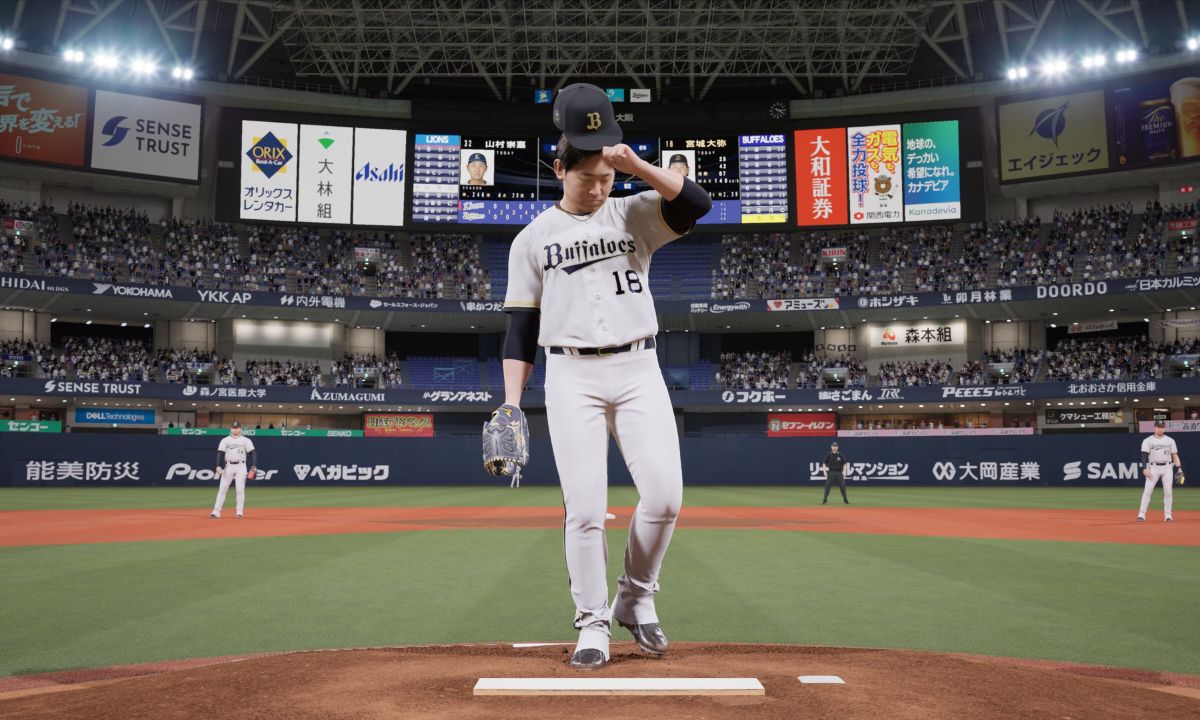
    eBaseball PRO SPIRIT 2026 runs on Konami’s proprietary eBaseball Engine, designed to recreate the experience of watching and playing baseball inside a real stadium. The official product pages highlight laser-scanned stadium reproductions, detailed player models with realistic hair and skin textures, and impulse response measurements used to capture authentic stadium acoustics. The game is powered by Unreal Engine, and broadcast-style play-by-play commentary is available in English at launch — though colour commentary is Japanese-only for now.

    eBaseball PRO SPIRIT 2026

    Game Modes

    Konami’s official site and store listings show eBaseball PRO SPIRIT 2026 launching with a wide range of modes. The five modes highlighted in marketing materials are:

    Exhibition — Standalone versus matches where you set the stadium, rules, and teams before jumping straight into a game.

    Season — Full team management across a complete season. The Active Player Draft system is included for the first time in this mode, adding a new layer to long-term roster building.

    Star Player — Create a single player and guide them through up to 30 years of a professional baseball career, balancing on-field performance with off-field life decisions.

    Hakkyu no Kiseki — High school baseball management across multiple seasons. Coach your program through practice, in-game tactics, and roster turnover as seniors graduate and new first-years arrive. The DH rule is now included for the first time in this mode.

    Spirits — Online competitive play where players build custom rosters and compete against opponents worldwide.

    Beyond these five highlighted modes, the official site and store listings also reference Live Championship, Live Scenario, Grand Prix, Home Run Derby, Team Edit, and Edit Share among the available content at launch.

    Pre-Order Bonus and the Shohei Ohtani Incentive

    eBaseball PRO SPIRIT 2026 PS5

    Players who pre-order receive 1,000,000 VP — the in-game currency used in the Prospi Shop to boost players and purchase items. This bonus is confirmed on both the PS5 and Steam product pages.

    The early purchase bonus is the more notable incentive. Anyone who buys the game by December 31, 2026 at 11:59 PM JST — listed on the PlayStation Store as December 31, 2026 at 2:59 PM UTC — unlocks SAMURAI JAPAN 2026 “Shohei Ohtani”, an exclusive player card tied to Japan’s 2026 national team. Ohtani serves as Konami’s baseball games ambassador, making this the headline incentive for fans wanting him in their lineup from day one.

    One Important Regional Limitation

    The 2026 World Baseball Classic mode is included in the game but is only available in Japan and the Asia region. This is confirmed on the PlayStation Store product page. Players in North America and Europe will not have access to WBC content at launch.

    Editions and Availability by Region

    Outside Japan, eBaseball PRO SPIRIT 2026 is available as a digital download only on both PS5 and Steam at $59.99 / £39.99 / €49.99.

    In Japan, Konami is offering a wider range of editions across both platforms. The Japanese product page lists a PS5 package edition, PS5 digital edition, PS5 Digital Deluxe Edition, Steam digital edition, and Steam Deluxe Edition. The Digital Deluxe Edition on PS5 in Japan is priced at 10,978 yen.

    The Difference Between This and the Free Version

    The free-to-play eBaseball PRO SPIRIT that launched globally on March 5, 2026 is a separate product from eBaseball PRO SPIRIT 2026. The free version introduced the engine and competitive online play to an international audience. The premium 2026 entry is the complete simulation experience — including Season, Star Player, Hakkyu no Kiseki, and all the additional modes listed above — that the free version does not offer.

    If you are still deciding whether Konami’s new game is the better buy, read our eBaseball PRO SPIRIT 2026 vs MLB The Show 26 comparison.

    Key Details

    Developer and Publisher: Konami Release Date: July 16, 2026 Platforms: PlayStation 5 and PC via Steam Price:$59.99 / £39.99 / €49.99 Pre-order Bonus: 1,000,000 VP Early Purchase Bonus: SAMURAI JAPAN 2026 Shohei Ohtani — available to buyers through December 31, 2026 at 11:59 PM JST Physical editions: Japan only WBC Mode:Japan and Asia region only Pre-orders: Live now on PS5 and Steam

  • INDUSTRIA II Delayed to April 29 as Bleakmill Cites Small-Team Challenges

    INDUSTRIA II Delayed to April 29 as Bleakmill Cites Small-Team Challenges

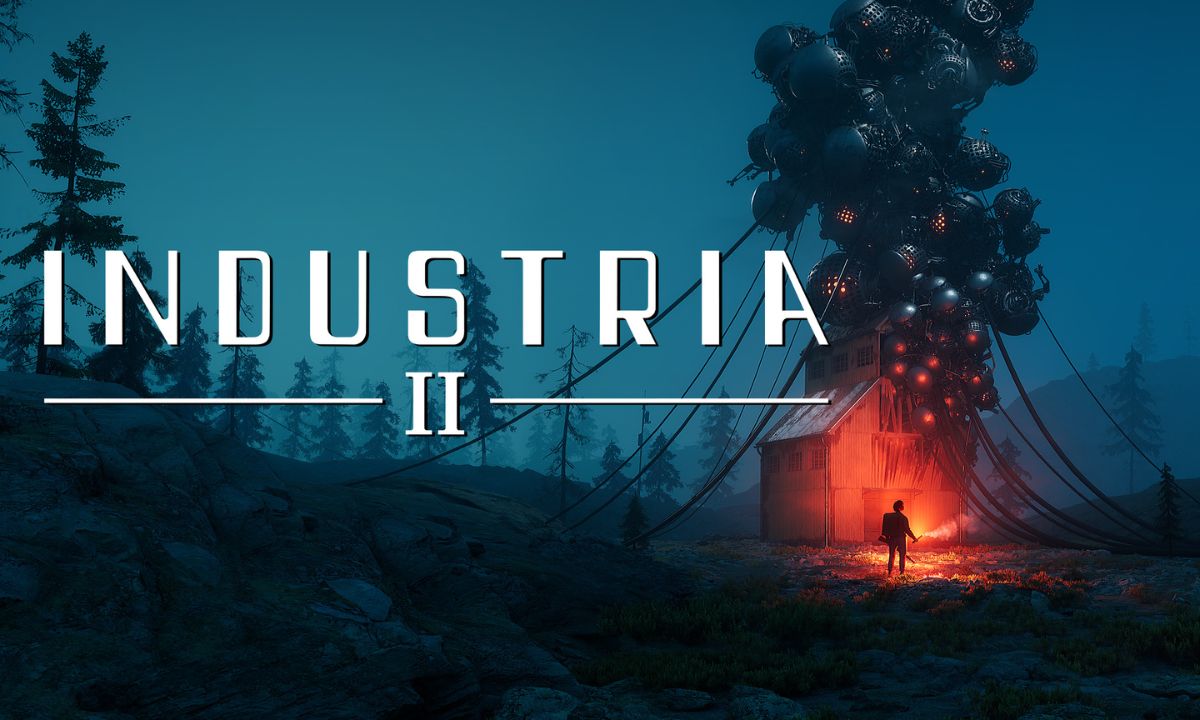
    INDUSTRIA 2, the narrative first-person shooter from independent developer Bleakmill, has been delayed to April 29, 2026 — announced on the day of its planned April 15 release. The game, published by Headup and Beep Japan, will launch on PC via Steam, the Epic Games Store, and GOG when it does arrive. No console release has been announced.

    The delay was confirmed by Bleakmill in a public statement posted to Steam, in which the eight-person studio acknowledged the disappointment head-on and offered a candid account of the pressures facing small independent development teams working on large-scale projects.

    What Bleakmill Said

    In its statement, Bleakmill described the delay as a necessary step rather than a failure of planning. The studio acknowledged that fans had set aside time and, in some cases, taken leave from work specifically to play the game on April 15, calling that level of investment from the community both humbling and difficult to face with a delay announcement.

    The studio attributed the postponement directly to the scale of the project relative to the size of the team, noting that completing a high-fidelity single-player FPS campaign with eight developers working remotely across multiple countries is an inherently difficult undertaking. Bleakmill also addressed the financial dimension of independent development, describing the pressure of balancing creative ambition against the practical reality of keeping a small team paid and operational month to month.

    Bleakmill stated that the sole reason for the delay was to make the game more enjoyable for players, and confirmed the studio had no intention of releasing an experience it was not fully satisfied with.

    What INDUSTRIA 2 Is

    INDUSTRIA II Arrives on PC

    INDUSTRIA 2 is a direct sequel to the original INDUSTRIA, which was released in 2021 and set in Cold War-era East Berlin. The first game followed Nora, a researcher who uncovers a secret AI experiment at a parallel research facility and is pulled into a parallel dimension in the process of investigating it.

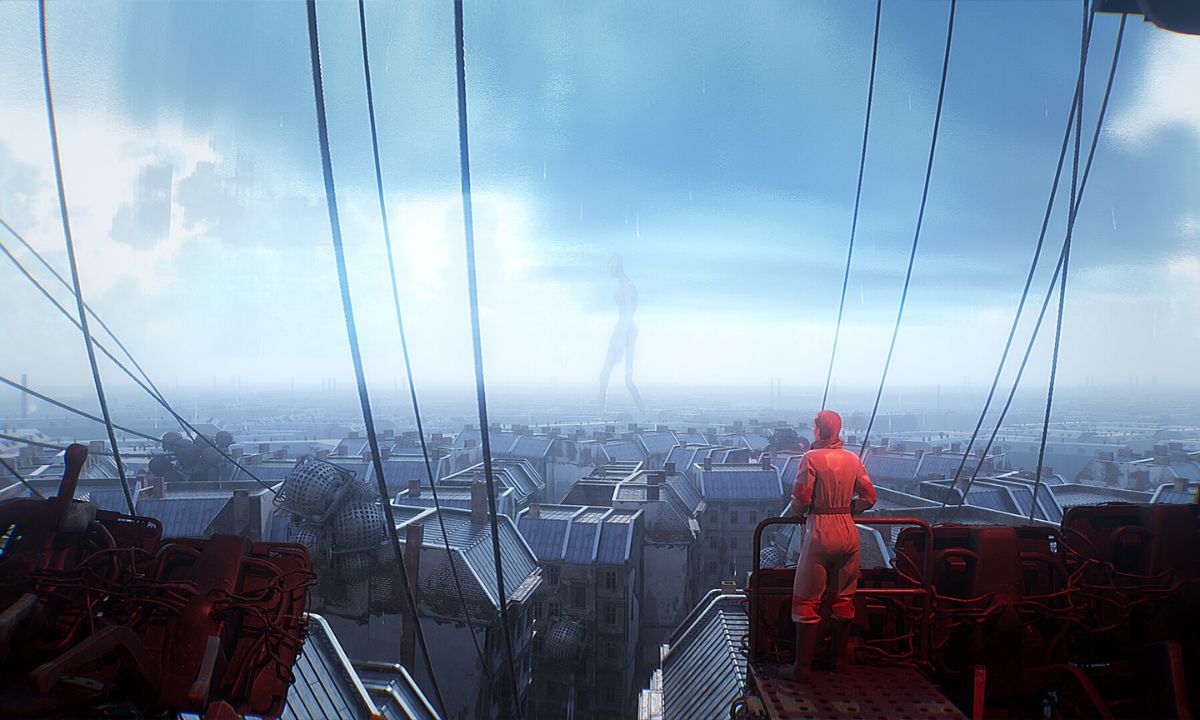
    The sequel picks up years after those events. Nora remains stranded in the parallel dimension, surviving alone in an abandoned coastal chapel, and is pulled back into the heart of ATLAS — the artificial intelligence driving the world’s deterioration — just before she is able to escape. Players must explore, scavenge, and fight their way through a vast boreal landscape of industrial decay and machine structures in order to find a way home to 1989 East Berlin.

    Bleakmill describes the game as offering immersive, slower-paced gameplay built around physics-based interaction, a crafting system, and a diegetic inventory — meaning menus and item management are embedded within the game world rather than overlaid on screen. Five weapons are available throughout the campaign, each upgradable with attachments including silencers, extended magazines, and specialised modifications.

    The enemies players face are mechanised, and Bleakmill has emphasised a distinct visual approach to combat damage — machine oil spillage and body dismemberment are used to create what the studio calls a robot body horror aesthetic, intended to make encounters feel viscerally distinct from standard FPS gunfights.

    Testers and players who have accessed the pre-release demo have compared the experience at various points to Half-Life, BioShock, and Resident Evil — a comparison Bleakmill described as enormously motivating when relayed to the team.

    Development Background

    INDUSTRIA 2 has been publicly in development since at least 2024, when it was first announced. Bleakmill was founded by David Jungnickel and Steve Chapman, and the team of eight developers operates remotely across multiple locations. The game is built in Unreal Engine 5 and represents a significantly more ambitious project than the original INDUSTRIA in terms of scale and production values.

    The studio described the sequel as containing 24 maps, compared to the six included in the original game. Bleakmill has said the campaign is designed to run approximately four to six hours — a deliberate choice to deliver a focused, filler-free experience rather than padding playtime with content that does not serve the story.

    A playable demo for INDUSTRIA 2 was made available on Steam in October 2025, and has accumulated broadly positive responses from players who tried it ahead of the scheduled launch.

    Timeline of the Delay

    INDUSTRIA 2 was originally announced for a 2025 release window before slipping into 2026. Bleakmill and Headup confirmed April 15, 2026 as the firm release date on April 7 — just eight days before the planned launch — before announcing the further delay to April 29 on the day itself.

    The Steam page for the game has been updated to reflect the new date, and Bleakmill has confirmed the delay applies across all three PC storefronts simultaneously.

    Where to Find the Demo

    A free demo for INDUSTRIA 2 is currently available on Steam ahead of the April 29 release.

    INDUSTRIA 2 is developed by Bleakmill and published by Headup and Beep Japan. It is scheduled to launch on April 29, 2026, on PC via Steam, the Epic Games Store, and GOG. A free demo is available on Steam now.

  • Mouse: P.I. For Hire Release Time, Preload, and Premium Edition Details Explained

    Mouse: P.I. For Hire Release Time, Preload, and Premium Edition Details Explained

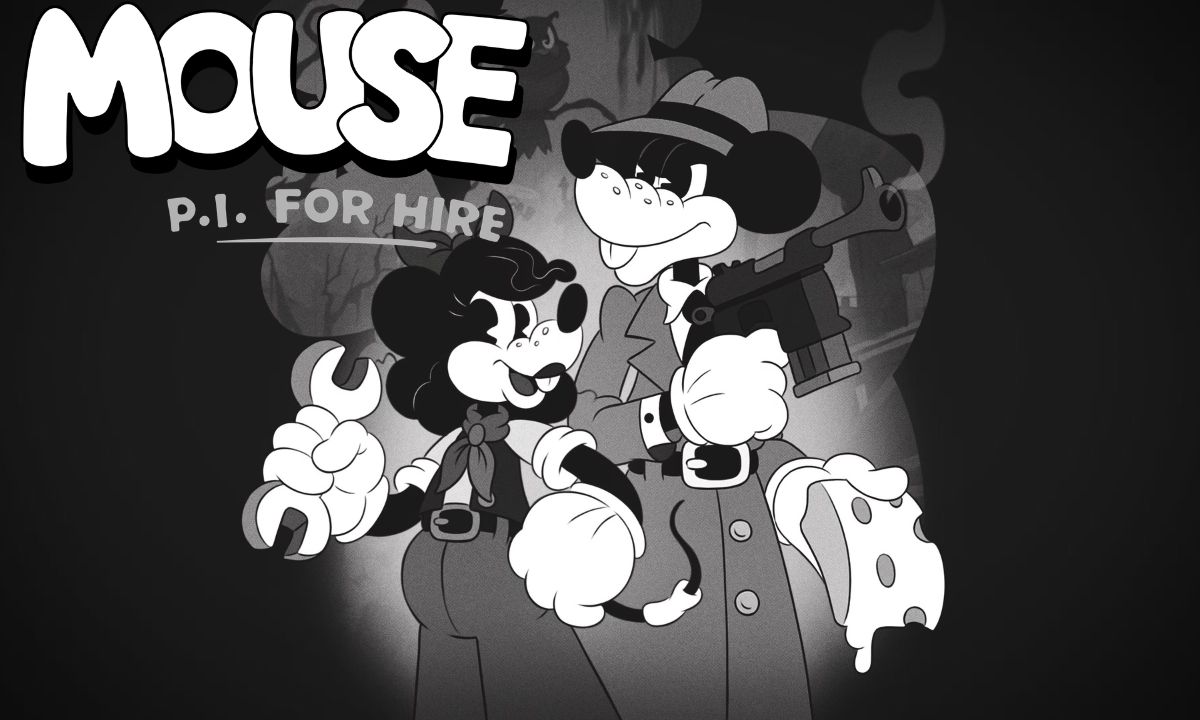
    Mouse: P.I. For Hire, the hand-drawn rubber hose FPS from Fumi Games and PlaySide Studios, launches globally on April 16, 2026 — and if you are planning to jump in from the moment it unlocks, you will want to know exactly when that is, whether a preload is available, and which edition best suits what you are looking for.

    This guide covers everything: the confirmed global release times broken down by time zone, the current state of preload availability, and a full breakdown of every edition — digital and physical — including what is inside the premium Mouseburg Edition and how much each version will set you back.

    Mouse: P.I. For Hire Release Time — Key Global Time Zones

    Mouse: P.I. For Hire, the hand-drawn rubber hose FPS from Fumi Games and PlaySide Studios, launches globally on April 16, 2026

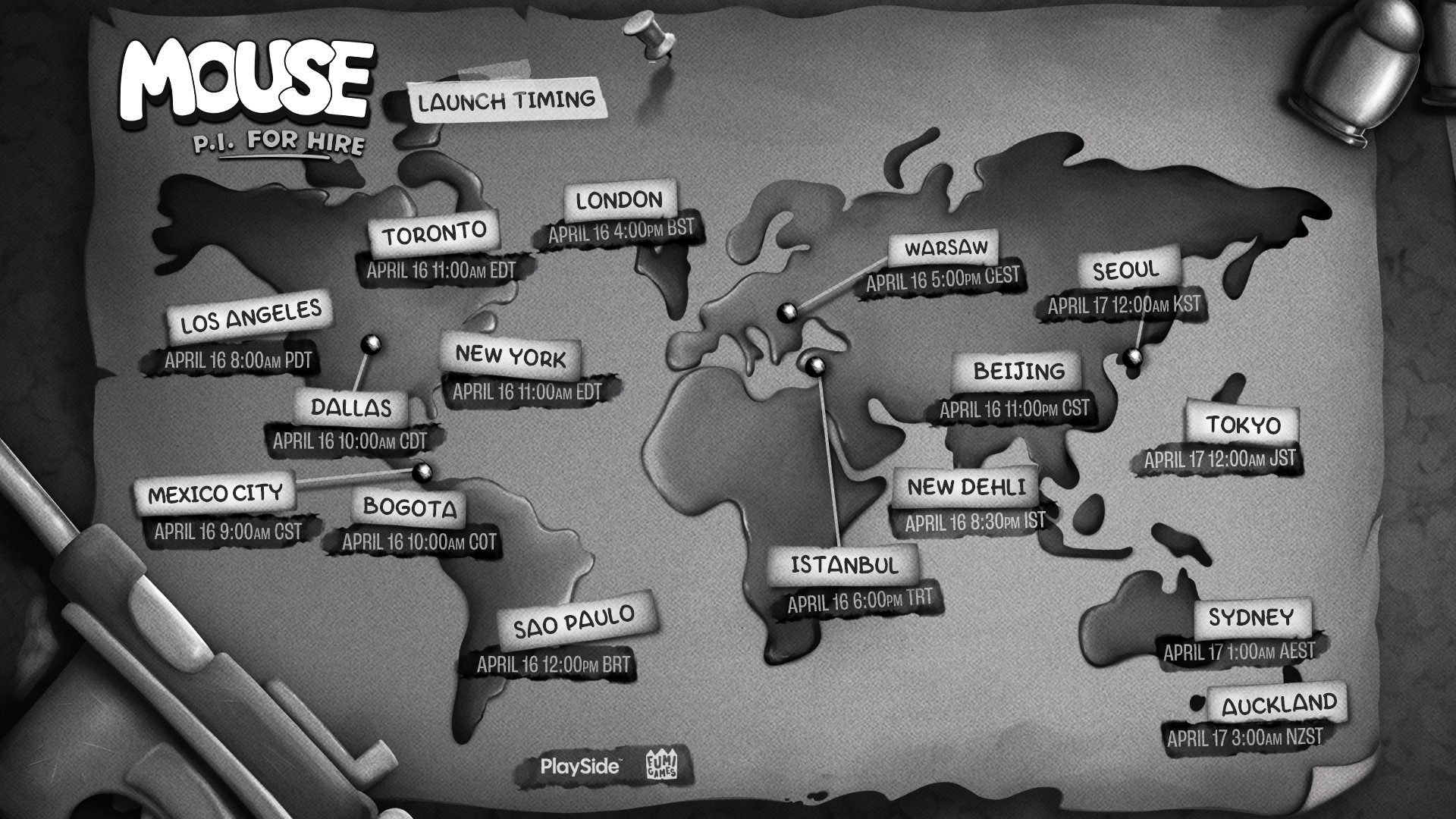
    Fumi Games has confirmed that Mouse: P.I. For Hire will launch simultaneously across all regions on April 16, meaning there is no need to set your VPN to New Zealand to get in early. Everyone gets access at the same moment worldwide.

    The confirmed global unlock times are as follows:

    Region Time Zone Release Time
    🇺🇸 US West Coast Pacific Time (PDT) 8:00 AM
    🇺🇸 US Central Central Time (CDT) 10:00 AM
    🇺🇸 US East Coast Eastern Time (EDT) 11:00 AM
    🇧🇷 Brazil Brasilia Time (BRT) 12:00 PM
    🇬🇧 United Kingdom British Summer Time (BST) 4:00 PM

    Timezones with an April 17 release date

    • 🇦🇺 Australian Eastern Standard Time (AEST): 01:00
    • 🇳🇿 New Zealand Standard Time (NZST): 03:00

    These times apply across all launch platforms — PlayStation 5, Xbox Series X/S, Nintendo Switch 2, and PC via Steam and the Microsoft Store.

    It is worth noting that Mouse: P.I. For Hire was originally scheduled for release in early 2026 before a brief delay pushed it to April, which the studio attributed to a final polish pass ahead of launch.

    Mouse: P.I. For Hire Preload — Is It Available?

    As of the time of writing, neither Fumi Games nor publisher PlaySide Studios has publicly announced a preload window for Mouse: P.I. For Hire on any platform. No preload information appears on the official FAQ, Steam page, or console store listings at this stage — though that could change closer to the April 16 unlock. It is worth checking your platform’s store page on the day for any last-minute preload availability.

    There is also no early access for either edition of the game. According to pre-release coverage, owners of both the standard and deluxe versions unlock at the same time as everyone else — no early entry is included as part of either purchase.

    Mouse: P.I. For Hire — All Editions Explained

    Mouse: P.I. For Hire, the hand-drawn rubber hose FPS from Fumi Games and PlaySide Studios, launches globally on April 16, 2026

    Mouse: P.I. For Hire is available in several configurations across digital and physical formats, with pricing that varies depending on platform and edition. Here is a complete breakdown.

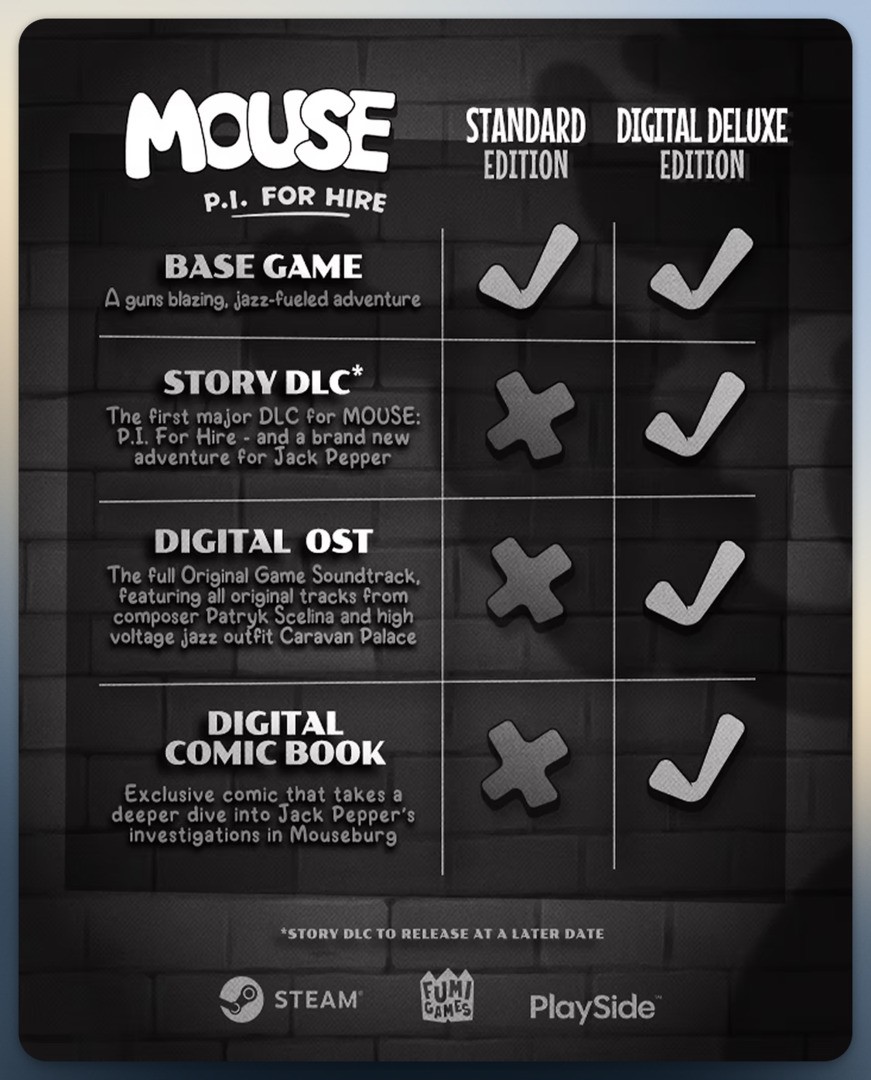
    Digital Standard Edition — $29.99

    The digital standard edition includes the base game and nothing else. It is available on April 16, 2026, across the following platforms at a price of $29.99 USD:

    • PC via Steam
    • PlayStation 5
    • Xbox Series X/S
    • Nintendo Switch 2

    Xbox players purchasing the digital standard edition also benefit from Xbox Play Anywhere support, meaning a single purchase covers both the Xbox Series X/S console version and the PC version via the Microsoft Store at no additional cost.

    Digital Deluxe Edition (Steam Only) — $39.99

    A Digital Deluxe Edition is available exclusively on Steam for $39.99 USD — $10 more than the standard edition. It includes:

    • The base game
    • Access to the first major story DLC expansion (releasing at a later date)
    • The full Original Game Soundtrack (OST), featuring compositions by Patryk Scelina and a piece by electro swing artists Caravan Palace
    • A digital comic book expanding on the game’s story and characters

    The DLC inclusion makes the Digital Deluxe Edition the better long-term value for players who are confident they will want to continue with Mouse: P.I. For Hire after the main campaign. No specific release date for the DLC has been confirmed at the time of writing.

    Physical Standard Edition — from $29.99 (July 10, 2026)

    Physical editions of Mouse: P.I. For Hire are not available at launch. The physical standard edition releases separately on July 10, 2026, with pricing that differs by platform:

    • PlayStation 5 (disc): $29.99 USD
    • Nintendo Switch 2 (game-on cartridge): $39.99 USD

    The Switch 2 physical version costs more because the full game is included on the cartridge itself — it is not a card containing a download code.

    Note that a physical standard edition for Xbox Series X is not part of the announced lineup. Xbox players looking for a physical copy will need to opt for the Mouseburg Edition.

    Physical Deluxe “Mouseburg Edition” — from $49.99 (July 10, 2026)

    The premium physical release is the Mouseburg Edition, also arriving on July 10, 2026. This is the collector’s package for the game and includes a substantial array of physical extras alongside the game itself.

    Pricing by platform and region:

    Platform Price (USD) Availability
    PlayStation 5 (disc) $49.99 USA, Canada, Latin America, Europe, Middle East, East Asia, Australia
    Xbox Series X (disc) $49.99 Europe, Middle East, East Asia, Australia
    PC (Steam code in box) GBP £44.99 / EUR €49.99 Europe, Middle East, East Asia, Australia
    Nintendo Switch 2 (cartridge) $59.99 USA, Canada, Latin America, Europe, Middle East, East Asia, Australia

    What is inside the Mouseburg Edition:

    • The base game
    • A 7″ vinyl record featuring four tracks from the Official Game Soundtrack, including original compositions by Patryk Scelina and a track by Caravan Palace
    • A double-sided poster (340mm x 340mm) — a map of Mouseburg on one side and a schematic of Jack Pepper’s “Micer” pistol on the other
    • A printed comic book with two sticker sheets
    • 33 Mouseburg Baseball Trading Cards, based on the in-game baseball card mini-game
    • 3 premium Mouseburg postcards

    The Mouseburg Edition is the only physical option for Xbox Series X players and the only physical version for PC. Regional availability restrictions do apply, so players outside the listed regions should check local retailer availability before ordering.

    Is Mouse: P.I. For Hire on Xbox Game Pass or PS Plus?

    Mouse: P.I. For Hire is not planned for Xbox Game Pass at launch — Fumi Games has confirmed this explicitly. As for PlayStation Plus, no official statement has been made either way, and the PlayStation Store page shows a standard purchase listing with no indication of a PS Plus inclusion. Until the developer or Sony confirms otherwise, players on both platforms should plan to purchase the game separately.

    What About PS4, Xbox One, and Nintendo Switch?

    Mouse: P.I. For Hire will not launch on PlayStation 4, Xbox One, or the original Nintendo Switch on April 16. Fumi Games has confirmed that versions for those platforms are planned, but launch timing will be announced separately at a later date.

    Which Edition Should You Buy?

    At $29.99, Mouse: P.I. For Hire sits competitively for most players, the digital standard edition alongside other notable indie releases on Steam this April — making it one of the better-value launches of the month regardless of which edition you choose.

    If you are on Steam and plan to continue with the game after the main campaign, the Digital Deluxe Edition at $39.99 is worth considering for the DLC access and OST alone, particularly given that the DLC will likely be priced separately when it releases.

    If you want a physical copy, the standard physical edition covers the basics when it arrives on July 10 — though Switch 2 owners will pay $39.99 for the cartridge version. For collectors, the Mouseburg Edition is the most complete package available and includes enough physical extras to justify its premium pricing for dedicated fans of the game.

    Mouse: P.I. For Hire was developed by Fumi Games and published by PlaySide Studios. It launches digitally on April 16, 2026, on PlayStation 5, Xbox Series X/S, Nintendo Switch 2, and PC via Steam. Physical editions release July 10, 2026. Releases on PlayStation 4, Xbox One, and Nintendo Switch will be confirmed at a later date.

  • Mouse: P.I. For Hire Launches April 16 on PS5, Xbox, Switch 2, and PC

    Mouse: P.I. For Hire Launches April 16 on PS5, Xbox, Switch 2, and PC

    Fumi Games and PlaySide Studios are set to release Mouse: P.I. For Hire on April 16, 2026, across PlayStation 5, Xbox Series X/S, Nintendo Switch 2, and PC via Steam — with the $29.99 digital release drawing broadly favourable early reviews.

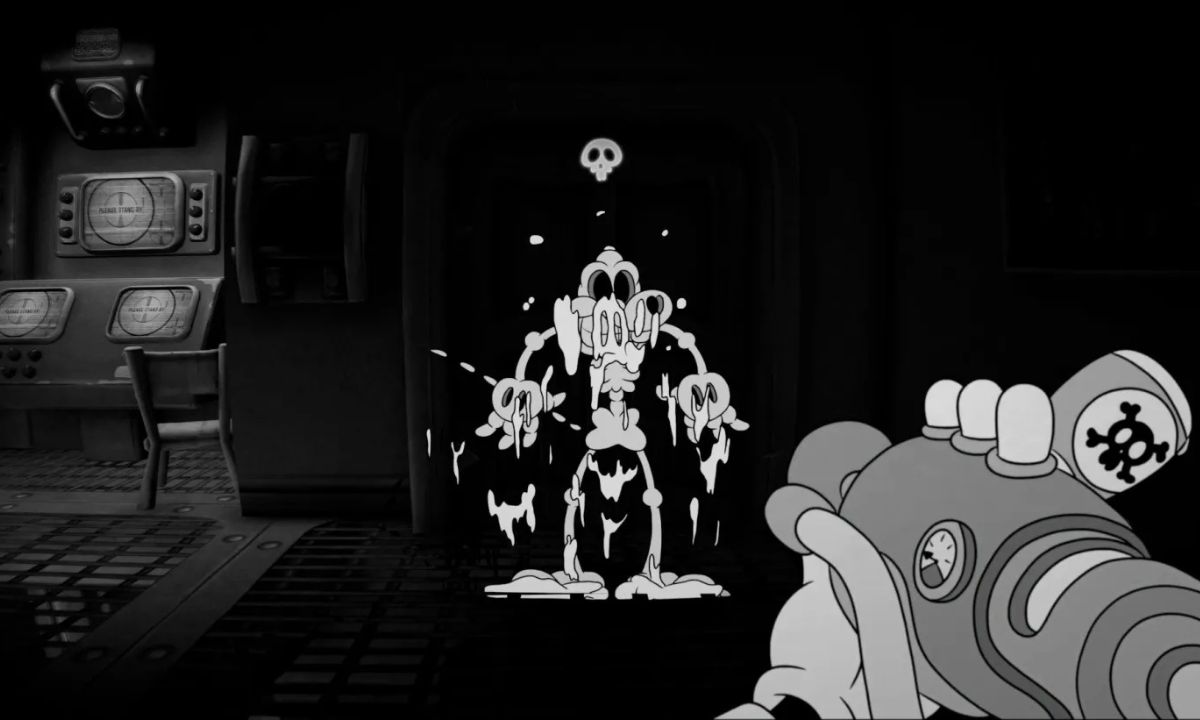
    The game puts players in the role of Jack Pepper, a war veteran and former police officer turned private detective operating in the fictional, corrupt city of Mouseburg. Its visual approach sets it apart from virtually everything else on the market: every character, weapon, and enemy is drawn by hand, frame by frame, in the black-and-white rubber hose style of 1930s cartoons — layered over three-dimensional environments. At least one reviewer described the blend as unlike anything they had encountered in a current release.

    Versions for PlayStation 4, Xbox One, and the original Nintendo Switch are also planned, though Fumi Games has stated that launch timing for those platforms will be detailed separately.

    A Warsaw Studio’s Unlikely Critical Breakthrough

    Mouse P.I. For Hire Xbox

    Fumi Games, an independent studio based in Warsaw, Poland, is a relatively small indie outfit, and the critical reception to Mouse: P.I. For Hire has been all the more striking for it. Advance reviews, published ahead of the April 16 unlock, have been broadly enthusiastic across major outlets.

    One PC Gamer reviewer called it the best shooter they had played in ages, citing the rare achievement of a game whose visual style and underlying mechanics are equally strong. Critics at Kotaku and Final Weapon have offered similarly strong praise, with Final Weapon noting that many full-priced games offer considerably less content and polish than this release. On Metacritic, the game currently holds an aggregated score of 81 on PC and 75 on PS5 — a strong showing for a debut of this kind.

    The praise is not entirely without reservation. A small number of reviewers noted that the campaign’s default difficulty leans slightly easy in its middle sections, and that some late-game sequences drag relative to the pace of the rest of the experience. A few critics also felt the detective mechanics — the investigative element implied by the game’s title — are lighter than they might have been. But these are minority notes in an otherwise favourable reception.

    The Story: Three Cases, One Sprawling Conspiracy

    The narrative begins with a routine job. Jack Pepper, voiced by Troy Baker, takes on a missing persons case involving a former war comrade and amateur magician named Steve Bandel. Within hours, that single case expands into three interconnecting investigations — a murdered woman whose friends want answers, a wave of kidnappings targeting Mouseburg’s shrew population, and a shadowy political movement with ambitions that reach far beyond anything Pepper initially suspects.

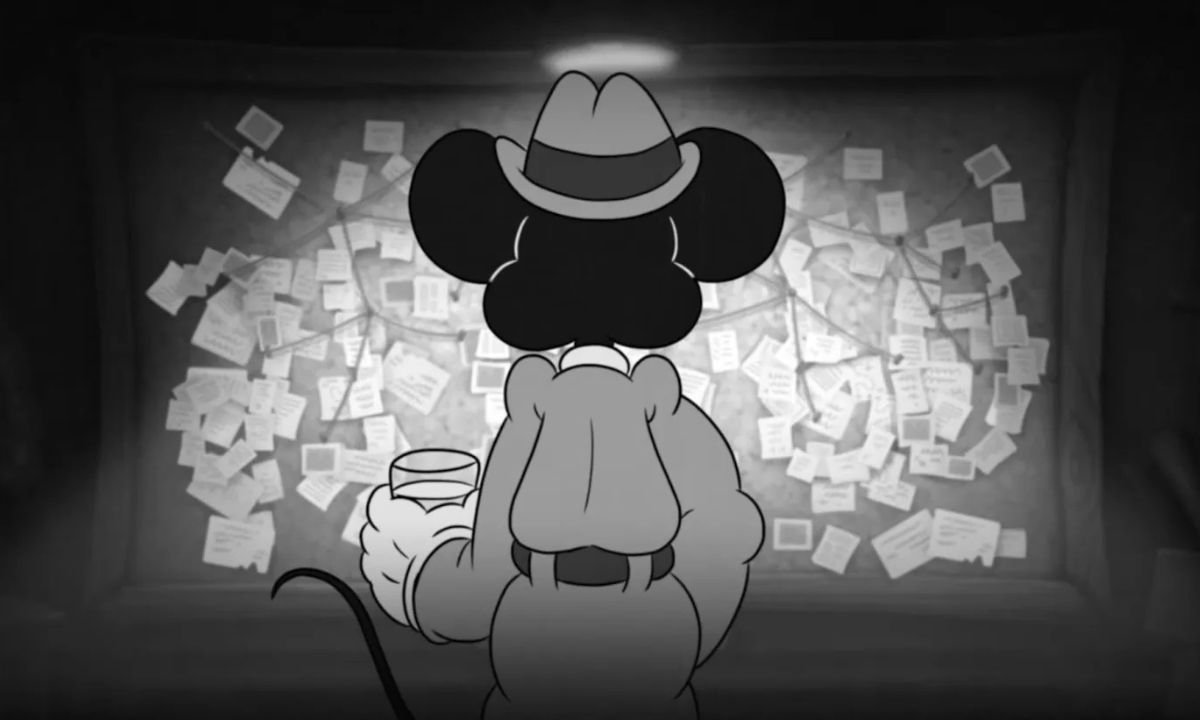
    Players piece the story together by collecting physical clues scattered throughout each level, pinning them to a corkboard in Pepper’s office, and connecting threads between cases as the campaign progresses. The narrative touches on themes of institutional corruption, class discrimination, and political extremism — heavier territory than the game’s cartoon aesthetic might suggest — and Baker’s voice performance has been widely singled out as a particular strength, balancing the script’s dry humour with genuine dramatic weight.

    The campaign spans more than 20 hand-crafted levels set across a variety of Mouseburg locations: city streets, a Hollywood-style film studio, an opera house, underground sewers, and poisonous swamps among them. Reviewers who completed the main story report a runtime of approximately 13 to 15 hours, extending to 18 or 20 hours for players who pursue the game’s substantial collection of side content.

    Gameplay: Movement, Arsenal, and Boomer Shooter Roots

    Mouse P.I. For Hire Xbox

    In terms of moment-to-moment play, Mouse: P.I. For Hire is a fast, movement-driven shooter with no cover system and no regenerating health. Critics have drawn comparisons to classic shooters including Doom, BioShock, and Quake, as well as to the broader boomer shooter tradition — games built on the principle that staying still is the surest way to die. Pepper begins each encounter with a dash ability and his fists, which the game refers to, accurately, as his mitts. As the campaign progresses, he unlocks a double jump, a wall run, a tail-powered hover descent, and a grappling hook, each of which integrates into both combat and the game’s platforming sections.

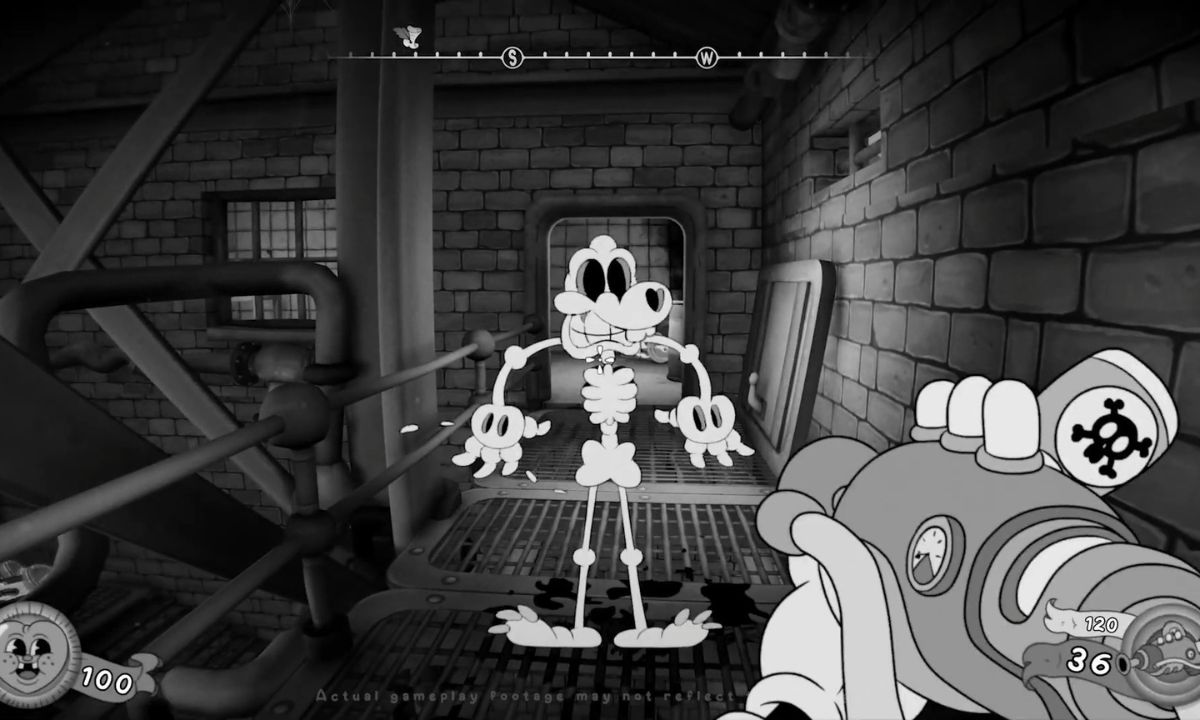
    The arsenal grows accordingly. Players begin with a standard pistol and work their way toward a Tommy Gun, a shotgun, a shoulder-mounted cannon, and several weapons that depart entirely from historical precedent. The Devarnisher, for instance, strips the paint — and, effectively, the skin — from enemies on contact, triggering an animation in which their bones collapse into a cartoon pile. Environmental hazards, including hanging pianos, explosive barrels, and chemical drums, add a further dimension to combat encounters that reviewers described as consistently entertaining even after dozens of repetitions.

    Between missions, players return to a central hub — Pepper’s office and surrounding neighbourhood — where a supporting character named Tammy converts collected blueprints into weapon upgrades, NPCs offer optional side assignments, and a baseball card mini-game provides something to do between shootouts. PC Gamer compared the hub structure to the style found in Dishonored, in that it functions as genuine downtime rather than a loading screen dressed up as a location.

    A Visual Style Years in the Making

    Mouse: P.I. For Hire was first shown publicly in 2023, at which point it was known simply as “Mouse.” Fumi Games built the project around the rubber hose animation style popularised by early cartoon studios in the 1920s and 1930s — a visual tradition that has seen renewed creative interest in recent years. The studio spent years developing a pipeline capable of combining hand-drawn 2D animation with a 3D Unity engine environment, producing a result in which every on-screen character faces the player directly regardless of movement direction, in the manner of the original cartoons.

    The sound design follows the same period logic. An original big band jazz score, performed by a live orchestral ensemble, accompanies every level, and sound effects throughout the game are styled after the analogue audio of early animation. Several reviewers described the combined audiovisual experience as the most committed execution of a single creative concept they had encountered in a recent release.

    Release Details

    Mouse: P.I. For Hire launches globally on April 16, 2026, on PlayStation 5, Xbox Series X/S, Nintendo Switch 2, and PC via Steam. The digital standard edition is priced at $29.99 on PC, PS5, Xbox Series X/S, and Switch 2. Physical editions carry higher price points, including $39.99 for the physical Switch 2 standard edition, with Mouseburg Edition variants priced at $49.99 and $59.99 respectively.

    Fumi Games has referenced post-launch DLC for the title, though no release window or content details for that additional material have been announced at the time of writing.

    Keep reading: Latest gaming news

    Mouse: P.I. For Hire was developed by Fumi Games and published by PlaySide Studios. It launches April 16, 2026, on PlayStation 5, Xbox Series X/S, Nintendo Switch 2, and PC via Steam. Releases on PlayStation 4, Xbox One, and Nintendo Switch will be confirmed separately.

  • Hades II Is Now on Xbox and PS5 — Everything You Need to Know About the Game Pass Launch

    Hades II Is Now on Xbox and PS5 — Everything You Need to Know About the Game Pass Launch

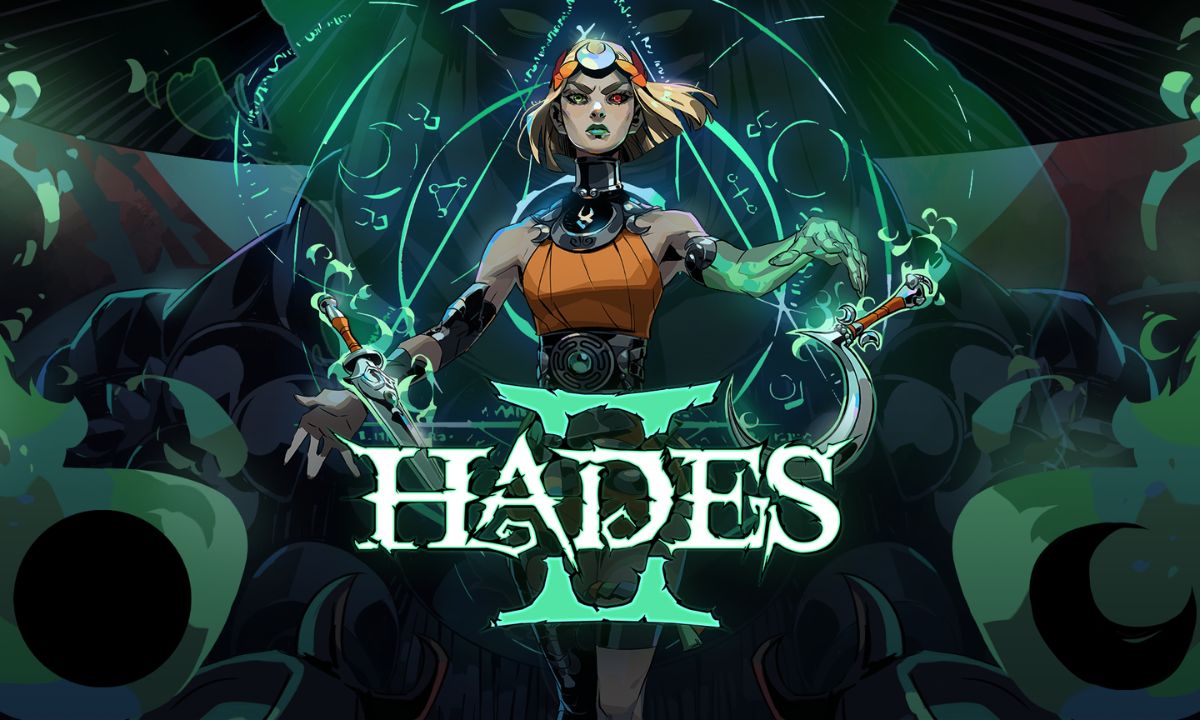
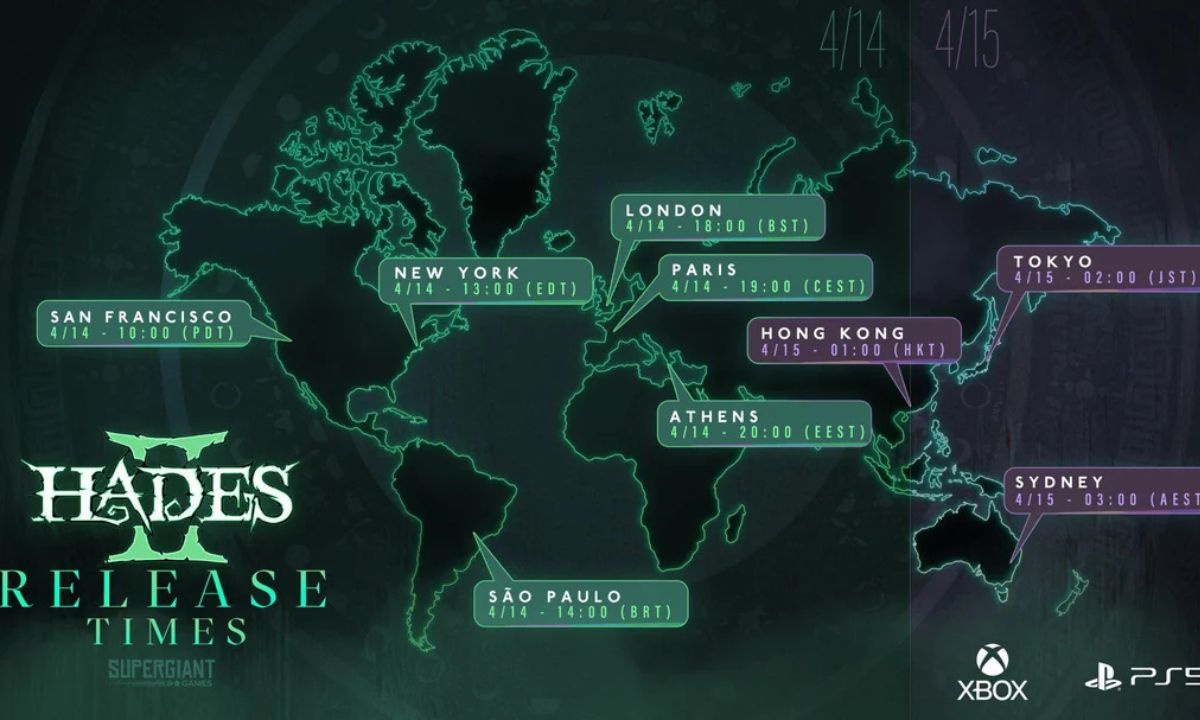
    Hades II officially launched today on PlayStation 5 and Xbox Series X|S, ending a six-month wait after the game reached its full v1.0 launch on PC, Nintendo Switch, and Nintendo Switch 2 on September 25, 2025 — itself following an Early Access period on PC that began on May 6, 2024. The game is also available day one on Xbox Game Pass across Ultimate, Premium, and PC Game Pass tiers — and via Xbox Cloud Gaming — meaning millions of subscribers can jump in right now at no extra cost.

    For anyone who has been watching from the sidelines while PC and Nintendo players raved about it, today is the day to find out what all the noise has been about.

    What Is Hades II and Why Does It Matter

    Hades II is the first-ever sequel from Supergiant Games, the studio behind the original Hades — a game that swept Game of the Year awards in 2020 and became one of the most influential roguelikes ever made. The original set a new standard for the genre by combining precise combat, a deep upgrade system, and a fully voiced cast of mythological characters whose relationships evolved with every run.

    The sequel had an almost impossible task: build on something that already felt complete. By most accounts it has succeeded. When Hades II reached its full v1.0 launch on PC, Nintendo Switch, and Nintendo Switch 2 on September 25, 2025, it became the best-reviewed game of 2025 according to both Metacritic and OpenCritic. That is the version PlayStation and Xbox players are getting today — not a launch-day build, but the fully patched, most complete version of the game that exists.

    Price and Platform Availability

    Hades II Is Now on Xbox and PS5

    Before jumping in, here is a full breakdown of where you can play and what it costs:

    PlayStation 5 — Available as a full purchase on the PS5 store. No PS Plus day-one inclusion. Check the PlayStation Store directly for current pricing before purchasing.

    Xbox Series X|S — Available as a full purchase or through Xbox Game Pass. The game is included across Game Pass Ultimate, Game Pass Premium, and PC Game Pass at no extra cost. It is also playable via Xbox Cloud Gaming, meaning you can stream it on mobile, tablet, or browser without downloading it to a console. Check the Microsoft Store directly for current standalone purchase pricing.

    PC (Steam and Epic Games Store) — Available as a standalone purchase at $29.99 on Steam.

    Cross-save note: Cross-save is supported across PC (Steam and Epic Games Store) and Nintendo platforms (Switch and Switch 2). According to Supergiant’s FAQ, players can transfer save data between PC/Mac and Nintendo consoles through an in-game menu. The limitation is that PlayStation 5 and Xbox do not join this cross-save pool. If you have been playing on PC or Switch and plan to continue on PS5 or Xbox, your progress will not carry over to those platforms.

    What Has Changed From the Original

    The biggest shift is in who you play as. Where the original Hades put you in control of Zagreus, the son of Hades escaping the Underworld, the sequel follows Melinoë — Zagreus’ long-lost sister and the Princess of the Underworld. The objective has changed too. Instead of escaping, Melinoë is fighting upward through a larger mythic world to defeat Chronos, the Titan of Time.

    Combat feels familiar but plays differently. Melinoë uses longer dashes and a sprint where Zagreus relied on shorter bursts. Her ranged attack is an AOE ability that traps nearby enemies rather than a simple long-range cast. These changes are small on paper but shift how every run flows, particularly in how you position yourself during tougher encounters.

    The world is significantly larger. Hades II features more biomes than the original, each with distinct visual styles, enemy types, and environmental hazards. The mythic world now stretches in multiple directions rather than a single upward path, giving runs more structural variety than before.

    The upgrade system has expanded. There are now Boons available from more than a dozen Olympian gods including Apollo, Hephaestus, and others who didn’t appear in the original. The combination possibilities are wider than anything in the first game, and the meta-progression system — built around the Altar of Ashes — adds a layer of permanent unlocks that compounds over time.

    Animal Familiars replace the Companions system. In the original, you could unlock Companions — special attacks tied to specific characters. Hades II replaces this with Animal Familiars, small creatures that follow Melinoë throughout each run. Each Familiar has its own passive ability, buffing Melinoë in different ways depending on which one accompanies her. Some provide combat boosts, others offer utility like reducing cooldowns or highlighting hidden items. They also react to events during a run, making them feel like actual companions rather than just stat bonuses.

    Gathering adds a new layer between runs. Using Tools of the Unseen, Melinoë can gather reagents from the environment during runs. These materials feed into crafting and upgrade systems back at camp, giving players something to optimize beyond just combat builds.

    What the Xbox and PS5 Versions Include

    Supergiant confirmed that PS5 and Xbox Series X support up to 120 frames per second. Performance on Xbox Series S has not been separately confirmed by Supergiant at time of publication. Both versions include all post-launch patches that shipped on PC, Nintendo Switch, and Nintendo Switch 2 since September 2025, along with bonus content and quality-of-life improvements developed in the months since.

    For Xbox players, Hades II is an Xbox Play Anywhere title — a single purchase covers both Xbox console and PC. It is also streamable via Xbox Cloud Gaming with a Game Pass Ultimate subscription, requiring no download at all.

    Is It Worth Playing If You Have Not Played the Original

    Yes, but playing the original first will make the sequel richer. The story of Hades II directly follows events from the first game, and many characters Melinoë encounters are ones players will recognize from Zagreus’ journey. The emotional weight of certain story moments lands harder with that context.

    That said, the sequel is designed to be accessible without prior knowledge. If you are a Game Pass subscriber who has never touched Hades, the original is also available on Game Pass — playing both in order is the ideal entry point into the franchise.

    Development Timeline

    • May 6, 2024 — Early Access launch on PC
    • September 25, 2025 — Full v1.0 launch on PC, Nintendo Switch, and Nintendo Switch 2
    • March 26, 2026 — Xbox and PS5 release confirmed for April 14
    • April 14, 2026 — Full launch on PS5, Xbox Series X|S, Xbox Game Pass, and Xbox Cloud Gaming

    Hades II is not a reinvention. If you bounced off the original’s roguelike structure — the repetition, the incremental progress, the runs that end just when they’re getting good — the sequel will not convert you. It is more of what made Hades great, expanded and refined rather than reimagined.

    But if that description sounds appealing, there has never been a better time to jump in. The game is available right now on Game Pass, it runs at up to 120fps on PS5 and Xbox Series X, and it arrives with every update and improvement Supergiant has released since the v1.0 launch. Xbox and PS5 players are not getting a lesser version — they are getting the best one. Just go in knowing that if you are starting fresh on PS5 or Xbox, your progress will not carry over from any saves built on PC or Nintendo platforms.

  • Is Amazon Luna Shutting Down? Here’s What’s Actually Changing

    Is Amazon Luna Shutting Down? Here’s What’s Actually Changing

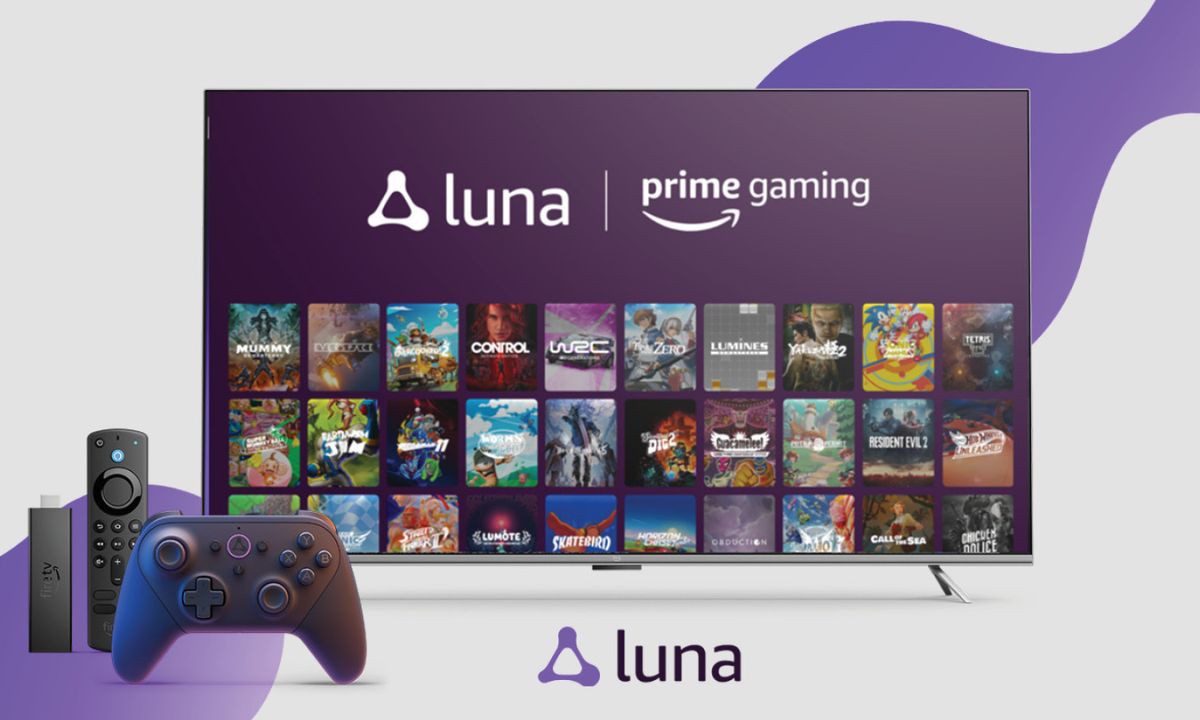
    No, Amazon Luna is not fully shutting down. What Amazon is actually doing is cutting off the parts of Luna built around third-party stores, one-off game purchases, third-party subscriptions, and Bring Your Own Library. That is a major rollback, and it will feel like a shutdown to some users, but Amazon is still keeping Luna alive through its own subscription model.

    That distinction matters because the sloppy version of this story is “Amazon killed Luna.” That is not true. The more accurate version is that Amazon is shrinking Luna into a narrower, subscription-first cloud gaming service centered on Luna Standard and Luna Premium. In plain English: Luna is staying online, but several features that made it more flexible are going away.

    What Amazon Luna Is Changing

    Amazon says that starting April 10, 2026, Luna no longer offers game stores, individual game purchases, or third-party subscriptions. That means users can no longer buy games a la carte through Luna the way they could with linked third-party storefronts such as EA, Ubisoft, and GOG, and Amazon is no longer selling outside subscriptions like Ubisoft+ and Jackbox Games through the Luna platform.

    The timeline is where readers usually get confused. Amazon says previously purchased titles remain playable through June 10, 2026, while Bring Your Own Library support is being discontinued after June 3, 2026. Those are two separate deadlines, which is why many early reports sounded inconsistent. They were usually describing different features ending on different days.

    What Happens to Games You Already Bought on Luna
    amazon luna

    If you bought third-party games through Luna, the bad news is simple: those titles will stop being playable on Luna after June 10, 2026. Amazon’s help page says the games will be removed from Luna after that cutoff.

    The less bad news is that Amazon says you should still be able to access those games directly through the original linked platform account—for example, EA, Ubisoft, or GOG—rather than through Luna’s cloud streaming layer. So Amazon is not necessarily erasing ownership of the game license itself; it is removing Luna as the place where that license can be streamed. That is an important distinction, even if it will not comfort users who mainly bought games for cloud access on devices like Fire TV.

    This is also where Amazon’s decision becomes harder to defend from a user perspective. The entire point of Luna for many people was convenience: buy or link a game, then stream it without installing it on a console or gaming PC. Once Luna takes away that streaming access, some buyers will reasonably feel that a core part of what they paid for is disappearing, even if the game entitlement still exists somewhere else. That is an inference from Amazon’s policy change and how Luna works as a cloud service, not a separate announced policy.

    Will Amazon Refund Purchased Luna Games?

    As of the current reporting, Amazon is not offering refunds for those affected third-party game purchases. That is one of the biggest reasons the backlash is sharper than it would be otherwise. When Google shut down Stadia, it issued broad refunds for hardware and game purchases. Amazon is not taking that route here.

    That makes this change much more painful for users who treated Luna as their main gaming platform rather than an occasional subscription perk. If you bought games specifically to stream them on Luna and do not meaningfully use the linked PC storefronts, this is a downgrade in real-world value, not just a technical policy update. That is not Amazon’s phrasing, but it is the practical effect for a lot of customers.

    What Happens to Save Data?

    Amazon says save data for affected titles will be available to download for 90 days after June 10, 2026 from the user’s settings page. That does not guarantee perfect compatibility elsewhere, but it does mean players are not being cut off from their progress immediately with no escape hatch.

    That is useful, but it is still not a full safety net. Save transfers are only helpful if the linked platform and the specific game support a smooth continuation of progress, and that will vary from game to game. So players should not assume that every Luna save will move over cleanly.

    What Happens to Ubisoft+, Jackbox, and Bring Your Own Library?

    Amazon’s change does not just hit one-off purchases. It also affects third-party subscriptions. Recent coverage and Amazon’s own notices say Luna is ending support for services such as Ubisoft+ and Jackbox Games sold through Luna, with access ending as the transition rolls forward and support disappearing in June. Ubisoft’s own help page says that from June 10, 2026, Ubisoft+ games accessed via Amazon Luna and Ubisoft standalone games purchased on Amazon Luna will no longer be available there.

    The Bring Your Own Library feature is also going away. Amazon’s help text says that benefit ends after June 3, 2026, which means even games you bought outside Luna but previously streamed through Luna via linked accounts will no longer be supported through that feature. This is one of the clearest signs that Amazon is moving away from Luna as a flexible cloud hub and toward Luna as a closed subscription service.

    So What Still Remains on Amazon Luna?

    What remains is Amazon’s own two-tier subscription structure. Luna Standard is still included with Prime, and Amazon describes it as access to a rotating game library plus GameNight party games. Luna Premium is still a paid subscription with everything in Standard plus a broader game library. Amazon’s April 2026 Luna update also says Prime members can currently access more than 50 games where Luna cloud delivery is available.

    That means Luna is not disappearing as a service. It is being simplified—some would say stripped down—into a model where Amazon controls the catalog more directly. The company’s public messaging says it is focusing on easier access to games, more social experiences, and a steadier flow of content, with future attention going to Luna Standard and Luna Premium.

    Why People Think Amazon Luna Is Shutting Down

    Because, from a user’s point of view, this looks like a retreat. Amazon is removing game stores, killing individual purchases, ending outside subscriptions, and shutting down BYOG. If you were using Luna for exactly those things, then the service you signed up for is effectively being dismantled, even if the Luna logo and subscription pages stay online.

    So the honest answer is this: Amazon Luna is not shutting down in the formal sense, but it is shutting down a big part of what made it different. Calling it a full shutdown would be inaccurate. Calling it a major scale-back would be fair. Calling it a subscription-only pivot would probably be the most precise description.

    Is This a Sign Amazon Has Lost Faith in Luna?

    Amazon is publicly framing the move as a strategic refocus rather than a retreat from cloud gaming. A Luna spokesperson told The Verge that the company is moving away from certain store, subscription, and a-la-carte models in favor of approaches it believes will work better long term, while Amazon’s own messaging says more of its content is now available to Prime members and that is where it is focusing its future.

    Still, readers are not wrong to see this as a warning sign. When a platform removes ownership-style features and narrows itself to subscription access, that usually means the older model did not deliver enough traction. Amazon has not said “Luna failed,” but the direction of travel is obvious: less platform flexibility, more controlled subscription packaging. That is an inference based on the changes Amazon announced, not a separate admission from Amazon.

    What Current Luna Users Should Do Right Now

    If you have bought games through Luna or used linked third-party libraries, the smart move is to stop treating this as a vague future problem. Check which games are tied to Luna, make sure your EA, Ubisoft, or GOG accounts are properly linked, verify where those purchases live outside Luna, and plan to download save data before the 90-day window closes after June 10.

    If you subscribe to a third-party service through Luna, especially Ubisoft+, do not assume it will quietly carry on. Confirm your subscription status, billing path, and how you will access those games after Luna support ends. Users who only care about Amazon’s own rotating catalog can stay put, but anyone who used Luna as a flexible cloud gateway should be making backup plans now.

    FAQ

    Is Amazon Luna shutting down completely?

    No. Amazon Luna is staying online, but it is ending third-party game stores, one-off purchases, third-party subscriptions, and BYOG support.

    When will purchased games stop working on Luna?

    Amazon says previously purchased third-party titles remain playable through June 10, 2026, and then they will be removed from Luna.

    Does Bring Your Own Library end on the same day?

    No. Amazon says Bring Your Own Library is being discontinued after June 3, 2026, which is earlier than the June 10 cutoff for previously purchased titles.

    Can I still play my bought games somewhere else?

    In many cases, yes. Amazon says affected games should still be accessible directly through the original linked store accounts such as EA, Ubisoft, or GOG.

    Will Amazon refund those purchases?

    Current reporting says no, which is one of the most criticized parts of the change.

    What stays on Luna after these changes?

    Amazon is keeping Luna Standard and Luna Premium, with Standard included in Prime and Premium offering a broader library. Prime members currently have access to more than 50 games where Luna cloud delivery is available.

  • Amazon Luna Will Remove Bought Games in June and Won’t Offer Refunds

    Amazon Luna Will Remove Bought Games in June and Won’t Offer Refunds

    Amazon is making a sharp change to Luna that will hit anyone who used the cloud gaming service to buy and stream third-party titles. Starting April 10, 2026, Luna no longer offers third-party game stores, individual game purchases, or third-party subscriptions, and games bought that way will stop being playable on Luna on June 10. Amazon also says those purchases are not eligible for refunds.

    The important catch is that Amazon is not erasing ownership in the strictest sense. If a player bought a game through Luna and linked the appropriate EA, GOG, or Ubisoft account, Amazon says the game should still be accessible through that original platform after Luna support ends. What is disappearing is Luna as the streaming layer that let people play those titles without installing them locally.

    What Amazon Luna Is Actually Shutting Down

    The headline issue is bigger than just purchased games. Amazon’s support notice says Luna is ending support for third-party stores, third-party subscriptions, and a-la-carte purchases. That means EA, Ubisoft, and GOG stores are being removed from the Luna platform, while Ubisoft+ and Jackbox Games subscriptions sold through Luna are being discontinued as well. Active subscriptions bought through Luna will be canceled at the end of the current billing cycle.

    Amazon is also winding down “Bring Your Own Library,” the feature that let users stream eligible games they already owned through linked third-party accounts. Amazon’s support language says that benefit is being discontinued after June 3, 2026, while broader reporting says previously purchased third-party games remain playable on Luna until June 10. In practice, the service is being stripped back in stages across early June.

    Why the No-Refund Decision Is the Real Flashpoint

    Amazon Luna Will Remove Bought Games in June and Won’t Offer Refunds

    The no-refund policy is the part likely to anger users most. Amazon says previously purchased third-party games will no longer be playable on Luna after June 10, yet it also says those purchases are not eligible for refunds because the titles remain owned through the linked third-party store account. That logic may hold legally, but it is still a rough outcome for players who bought games on Luna mainly for cloud access, not for local installation on gaming hardware they may not even own.

    That distinction matters. Luna is a cloud gaming service, so for some users the entire point was being able to stream a game to a Fire TV, phone, or low-powered device without buying a console or upgrading a PC. Losing the streaming option while keeping only the underlying store entitlement is not the same thing as losing the purchase entirely, but for some customers it will feel close enough.

    Amazon’s Explanation for the Change

    Amazon says this is a strategic shift, not a shutdown of Luna itself. In its support messaging, the company says player feedback showed demand for easier access to games, more social experiences, and a steadier flow of content, and that it is now focusing more heavily on Luna Standard and Luna Premium. Amazon spokesperson Brittney Hefner told The Vergethat the service is moving away from certain subscription, store, and a-la-carte purchasing models in favor of approaches Amazon believes will work better for customers over the long term.

    That explanation will not convince everyone. On paper, Luna is continuing, but the service is clearly becoming narrower. Amazon launched Luna in 2020 as a cloud gaming rival in the same general conversation as Xbox Cloud Gaming and, before its demise, Google Stadia. It later added individual game purchases in 2023, only to reverse that direction now.

    What Happens Next for Luna Users

    For users affected by the change, the timeline is straightforward. New third-party purchases and new third-party subscriptions are already gone. BYOG support is being discontinued after June 3, and previously purchased third-party games will stop working on Luna after June 10. Ubisoft’s own help pages also say Ubisoft+ games accessed through Luna and Ubisoft standalone games purchased on Luna will no longer be available there from June 10.

    After that, Luna users will be pushed toward Amazon’s in-house subscription structure instead of the more flexible store-linked model. Many third-party titles may still appear inside Luna’s subscription libraries, but the old pitch of buying a game once and streaming it through Luna is being gutted. That is the real story here, and it is why the backlash is likely to center less on technical ownership and more on lost access.

    The Bigger Problem for Amazon Luna

    Amazon can say Luna is being refocused, but to a lot of players this looks like contraction. The company is taking away one of the clearest reasons to use the service in the first place: convenient cloud access to games bought through outside storefronts. And unlike Google when it shut down Stadia, Amazon is not broadly refunding affected purchases. That comparison is going to follow this story whether Amazon likes it or not.

    The blunt version is this: Luna is not dead, but it is becoming a smaller and more closed product. If you used it mainly as a subscription side dish, that may not matter much. If you used it as your actual way to play bought games in the cloud, this is a real downgrade.

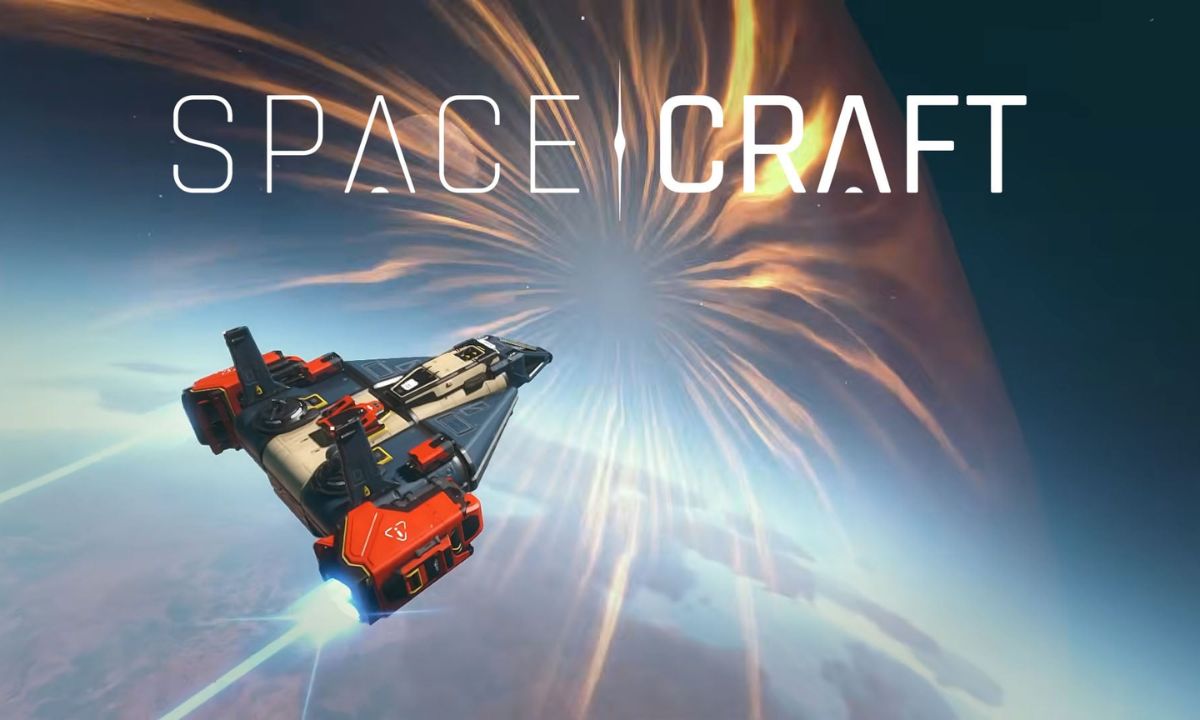
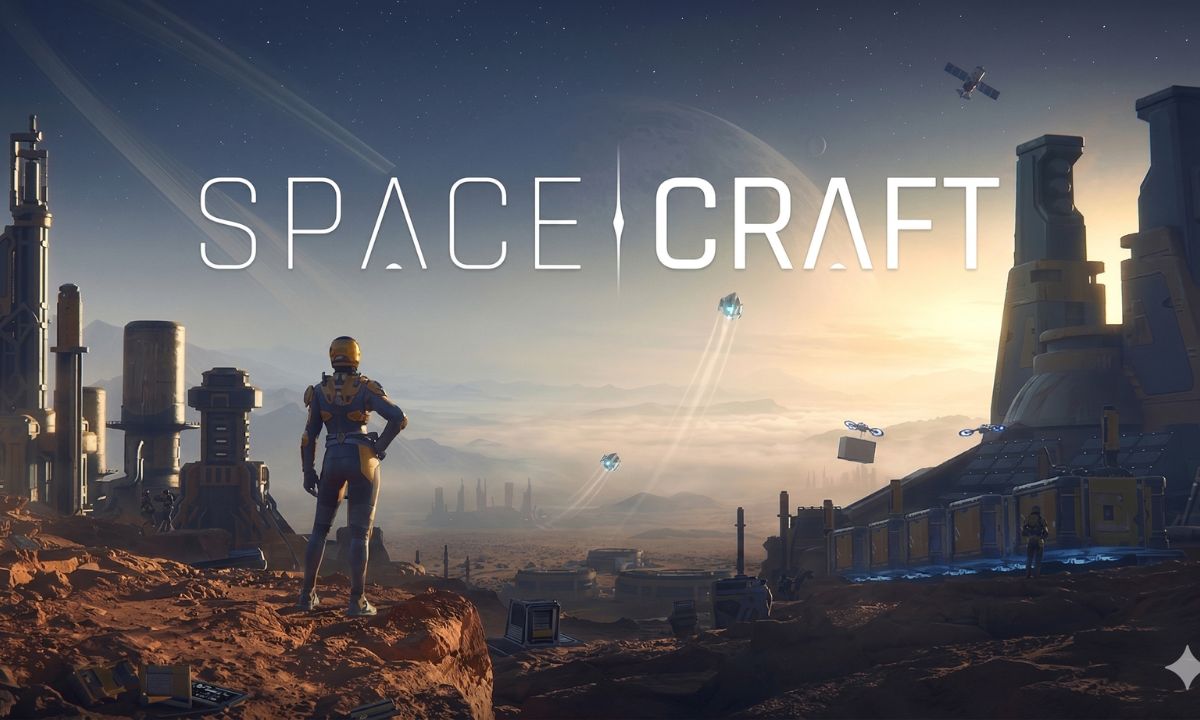
  • SpaceCraft Gets May 20 Early Access Release Date on Steam

    SpaceCraft Gets May 20 Early Access Release Date on Steam

    Shiro Games has officially set a release date for SpaceCraft, confirming that the online space exploration and building game will launch in Steam Early Access on May 20, 2026. The date is now listed on the game’s Steam page and was also confirmed in an official Steam community update published on April 9.

    The announcement gives the studio’s multiplayer space sandbox a firmer launch target after months of demos, playtests, and community feedback. The game is being positioned as a large-scale player-driven experience built around exploration, ship design, planetary industry, logistics, trade, and cooperative play.

    SpaceCraft Finally Has a Locked-In Early Access Date

    On Steam, SpaceCraft is now listed with a planned release date of May 20, 2026, and Shiro Games repeated that same date in its latest official community post. A new trailer tied to the announcement was also released alongside the reveal.

    That matters because this is the clearest public launch signal the game has had so far. For a title that is leaning heavily on community involvement before full release, locking in a date gives interested players something concrete after a long pre-release buildup.

    What Kind of Game Is SpaceCraft?

    SpaceCraft gets early access on steam

    Shiro Games describes SpaceCraft as an online space exploration and building game where players can move across a galaxy of star systems and planets, mine and refine resources, build ships, automate planetary bases, and manage interplanetary logistics. The Steam page also highlights trading, cooperation, corporations, and a player-influenced economy as major parts of the experience.

    The pitch is clearly broader than just survival or ship combat. The game appears to be aiming for a mix of space sim, sandbox building, logistics management, and MMO-style collaboration, with players able to start small and expand into larger industrial operations. Steam tags on the store page currently include Early Access, Open World, Sandbox, Exploration, Base Building, Automation, PvE, PvP, Multiplayer, and Massively Multiplayer.

    What Players Can Expect From Early Access

    According to the developers’ Early Access notes on Steam, the version launching in May is meant to include the game’s core mechanics and be “fully playable,” with Shiro saying it expects SpaceCraft to remain in Early Access for at least six months.

    Shiro says the full version is planned to expand the game with more galaxy content, new sectors, more planets, additional ways to explore the universe, and more social features built around Corporations. The studio also says pricing is expected to rise gradually by the time version 1.0 arrives, depending on how much content and how many features are added during development.

    That is the standard Early Access pitch on paper, but the six-month minimum is still worth noting. It tells players this is not being framed as a near-finished launch with a cosmetic Early Access label slapped on top. Shiro is openly signaling that SpaceCraft is still a work in progress and that community feedback is meant to shape what comes next.

    Demo Feedback Has Already Helped Build Momentum

    The game is not arriving cold. In March, Shiro said more than 70,000 players tried the demo during Steam Next Fest, where SpaceCraft ranked among the top 25 demos out of more than 3,500. In the same update, the studio said the game had reached 300,000 wishlists on Steam and that the demo would remain available.
    That is a meaningful sign of interest, especially for a new IP entering Early Access instead of launching as a fully finished product. It also helps explain why Shiro appears comfortable leaning into a community-shaped development model: the audience was already there before the release date announcement landed.

    Shiro Games is already known for titles like Northgard, Dune: Spice Wars, and Wartales, so SpaceCraft is not coming from an unknown studio. Recent coverage of the release-date reveal also tied the announcement to this year’s Triple-i Initiative showcase, giving the game extra visibility at a time when Steam wishlists and pre-launch momentum matter a lot.

    For Shiro, this looks like a notable swing into a more ambitious online sandbox space. For players, the bigger question is whether the game can turn its strong concept and early attention into a stable, worthwhile Early Access launch. That part will not be answered by the trailer or the Steam page. It will be answered once players actually get into the build on May 20.

    SpaceCraft Early Access Release Date

    The short version is simple: SpaceCraft launches in Steam Early Access on May 20, 2026. The game’s official Steam page is live now, the demo remains available, and Shiro says the Early Access period is expected to last for at least six months while the team expands the game with more content and features.

    If the launch build delivers on the promise of seamless exploration, ship building, automation, and player-driven industry, SpaceCraft could end up being one of the more closely watched space sandbox releases of the year. If not, it will have to prove very quickly that the wishlist momentum was earned for more than just a strong pitch.

  • Nintendo Announces Rhythm Heaven Groove for Switch, Marking the Series’ Long-Awaited Return

    Nintendo Announces Rhythm Heaven Groove for Switch, Marking the Series’ Long-Awaited Return

    Nintendo has officially announced Rhythm Heaven Groove, a brand-new entry in the long-dormant rhythm series, for Nintendo Switch. The game was revealed during the Nintendo Direct on March 27, 2025, where Nintendo described it as the newest installment in the Rhythm Heaven franchise. The company later confirmed that the game is set to launch in 2026, with regional Nintendo pages listing specific dates such as July 2, 2026 in the UK and July 9, 2026 on Nintendo Singapore’s schedule page.

    That alone is a big deal for fans. Rhythm Heaven has been one of Nintendo’s most fondly remembered rhythm series, but it has also gone quiet for years. With Rhythm Heaven Groove, Nintendo is not reviving it as a side project or nostalgia throw-in. It is positioning the game as a full new Switch release built around the same fast, quirky rhythm action that made the older entries stand out.

    A New Entry, but Very Familiar DNA

    Nintendo’s official description keeps the pitch simple: Rhythm Heaven Groove will feature a wide range of offbeat rhythm games backed by music from Tsunku♂, the Japanese musician and producer closely associated with the series. Nintendo’s UK store page describes it as a “colourful collection of funny little rhythm games,” while the broader announcement stresses that the series is returning with a completely new installment rather than a remake or compilation.

    That matters because the Rhythm Heaven identity has always been less about spectacle and more about precision, timing, and absurd charm. The series built its reputation on deceptively simple minigames, strange visual humor, and songs that lodged themselves in players’ heads. From Nintendo’s initial material, Rhythm Heaven Groove looks like it is keeping that formula intact instead of trying to reinvent it into something larger and messier. That is probably the right call.

    Nintendo Announces Rhythm Heaven Groove

    What Nintendo Has Confirmed So Far

    Right now, Nintendo has confirmed the essentials but not much beyond them. Rhythm Heaven Groove is coming to Nintendo Switch, it was announced during the March 2025 Nintendo Direct, and it is scheduled for 2026. Nintendo has also highlighted Tsunku♂’s music and the game’s eclectic lineup of rhythm challenges as key selling points.

    Regional pages add a bit more detail. Nintendo’s UK site currently lists a July 2, 2026 release date for Rhythm Paradise Groove — the regional title used there — while Nintendo Singapore’s release schedule shows July 9, 2026 for Rhythm Heaven Groove. That suggests either a staggered regional rollout or differences in local listing schedules, so it would be smarter not to flatten those into one universal date until Nintendo clarifies it on all major storefronts.

    Why This Reveal Matters

    Nintendo’s announcement is not just another Direct bullet point. It brings back a franchise that has had real staying power with fans despite long gaps between entries. In a Switch library crowded with sequels, remasters, and giant open-ended games, Rhythm Heaven Groove immediately stands out because it promises something more focused and more character-driven in its design philosophy: short-form rhythm challenges, weird comedy, and music-first gameplay.

    That also gives Nintendo a different kind of release for the back half of the Switch era. Not every game has to be a huge cinematic event. A sharply made rhythm game with strong personality can cut through just as effectively, especially when it comes from a series with this kind of cult reputation. Based on the initial reveal, Rhythm Heaven Groove looks like Nintendo understands exactly what people missed about these games.

    Still Plenty Left Unanswered

    What Nintendo has not done yet is explain the game in depth. There is no full breakdown of modes, no detailed feature list, and no broad gameplay overview beyond the core premise of playing through a variety of rhythm games. The first wave of official information is enough to confirm the return, but not enough yet to answer deeper questions about structure, multiplayer possibilities, or how large this entry will be compared with past games.

    Still, the headline is strong enough on its own: Rhythm Heaven is back, and Nintendo is finally giving Switch players a new entry instead of leaving the series behind on older hardware. For fans who have spent years waiting for the franchise to return, Rhythm Heaven Groove is already one of Nintendo’s more interesting announcements, even before the company has shown everything it has planned.

  • Elden Ring: Tarnished Edition Pre-Orders Appear on Amazon for $79.99, but a Release Date Is Still Missing

    Elden Ring: Tarnished Edition Pre-Orders Appear on Amazon for $79.99, but a Release Date Is Still Missing

    Elden Ring: Tarnished Edition has resurfaced in a way that is getting plenty of attention, and not just because it is finally inching closer to Nintendo Switch 2. Amazon has begun listing pre-orders for the upcoming edition at $79.99, giving fans their clearest look yet at the game’s expected price on Nintendo’s new hardware. What the listing does not provide, however, is the one detail players are still waiting for: an actual release date.

    That leaves Elden Ring: Tarnished Edition in an awkward but familiar spot. The game is real, officially announced, and still scheduled for 2026 on Nintendo Switch 2 according to Nintendo’s current store page. But despite pre-orders going live at a premium price, there is still no firm launch day attached to it yet.

    Amazon Listing Puts the Price at $79.99

    Elden Ring: Tarnished Edition

    The Amazon listing is the headline-grabber here. It shows Elden Ring: Tarnished Edition at $79.99, which immediately puts it at the high end of Nintendo Switch 2 software pricing. That number is likely to trigger debate for two reasons: first, Elden Ring is already a well-established game rather than a brand-new release; second, this version appears to be a Game-Key Card release rather than a full traditional cartridge edition, based on reporting around the listing.

    That price is easier to understand once the package is taken into account. Nintendo’s store page says Tarnished Editionincludes the base game, the Shadow of the Erdtree expansion, and additional content such as new weapons, armour, Torrent skins, and more. Bandai Namco’s original announcement similarly described it as an all-in-one version built around the main game and its major DLC.

    The Release Window Is Still Broad

    The more important detail is what is still missing. Nintendo’s official page currently lists the release date simply as 2026, with no month or day attached. That means the Amazon pre-order page, while notable, does not signal a fully locked launch schedule yet. Reports surrounding the listing have also pointed out that there is still no confirmed retail date attached to the pre-order.

    There is also a bit of history behind that uncertainty. When Bandai Namco first announced Elden Ring: Tarnished Editionfor Nintendo Switch 2 in April 2025, the company said it was slated for release in 2025. Nintendo’s current official page now says 2026, which makes clear that the release window has shifted since the original announcement.

    What Tarnished Edition Includes on Switch 2

    For players who have not followed the Switch 2 version closely, Tarnished Edition is being positioned as the most complete version of Elden Ring on Nintendo hardware. Nintendo describes it as including the full base adventure along with Shadow of the Erdtree and extra customization content. Bandai Namco has also said the added content will be made available on other platforms, but the Switch 2 package itself is being marketed as a bundled edition.

    That makes the package easier to pitch to new players than to returning ones. Someone who has never touched Elden Ringcould look at this as a definitive entry point. For long-time fans who already own the game and the DLC elsewhere, the value proposition is tougher, especially at $79.99. That is not a factual contradiction; it is just the obvious commercial reality of the listing.

    Why the Listing Matters Even Without a Date

    Pre-orders appearing before a release date is unusual enough to draw attention, especially for a game with this profile. It suggests that retail plans are moving forward even if the public schedule has not been nailed down. It does notautomatically mean the launch is imminent. Right now, the safe conclusion is narrower: Elden Ring: Tarnished Edition is still officially coming in 2026, Amazon has begun taking pre-orders in the US, and the listed price is $79.99.

    Until Bandai Namco, FromSoftware, or Nintendo announces an exact date, that is where the story stands. The price is now out in the open, the package contents are known, and the absence of a release date is becoming more noticeable the closer the game gets to launch. For now, fans know what it may cost to return to the Lands Between on Switch 2. They just do not know when they will actually be able to do it.

    Editor’s update, May 12, 2026: A release date has since surfaced through a separate retailer. Canadian store PNP Games briefly listed Elden Ring: Tarnished Edition for Switch 2 with a July 10, 2026 estimated ship date — but the same page has since changed to show December 31. Bandai Namco still has not confirmed an official launch date. Read the full breakdown here.

  • Star Wars Eclipse Reportedly Remains Years Away Amid Slow Progress

    Star Wars Eclipse Reportedly Remains Years Away Amid Slow Progress

    For a game announced with the weight of the Star Wars name behind it, Star Wars Eclipse has spent a very long time looking more like a concept than a project moving toward release. A new round of reporting suggests that has not changed. According to multiple outlets following Insider Gaming’s latest report, development at Quantic Dream is still moving very slowly, the game remains years away, and its long-term outlook may now be tied as much to studio finances as to creative progress.

    The new concern is not just time, but momentum

    Games disappearing for years is nothing new, especially in the modern blockbuster cycle. What makes this update more troubling is not simply that Star Wars Eclipse is still far off. It is that the latest reporting describes a project that has apparently made very little progress over recent months, despite a significant portion of the game reportedly already being built. Insider Gaming says one source described development as “very slow going” and said the project was still years from completion as of late last year. Game Informer and GameSpot both echoed that core framing in their follow-up coverage.

    That distinction matters. “Years away” can describe a healthy game early in production. “Years away” paired with reports of minimal recent progress is a different story. At that point, the issue stops being normal development time and starts looking more like a project struggling to maintain momentum.

    Why another Quantic Dream game has suddenly become part of the story

    ‘Star Wars Eclipse’ Remains Years Away Amid Slow Progress

    The most revealing detail in the latest reporting has nothing to do with trailers, story, or gameplay. It is money. Insider Gaming reported that Star Wars Eclipse’s future may be partly linked to the performance of Spellcasters Chronicles, Quantic Dream’s recently released free-to-play multiplayer title. The report says Quantic Dream and parent company NetEase are looking to that game to generate revenue that could support Eclipse’s continued development. GameSpot and Vice both repeated that point, with GameSpot noting that poor commercial performance could lead NetEase to reconsider further investment in the studio.

    That is the point where this stops sounding like routine production drag. Big games miss windows all the time. A major licensed project whose future may depend on another title’s financial results is a much shakier proposition. None of the reporting says cancellation is imminent, and it would be sloppy to leap there, but the tone has clearly shifted from “still in development” to “under pressure.”

    The silence since 2021 is becoming part of the problem

    Part of what makes this report resonate is how little the public has actually seen since Star Wars Eclipse was unveiled in 2021. Game Informer notes that updates have been scarce since that reveal, and Vice points out that the game still has no release date or release window. That silence does not prove disaster on its own, but it does create the kind of vacuum where every credible report lands harder than it otherwise would.

    There is also a basic reader reality here: after several years without meaningful public progress, people stop treating a game like an upcoming release and start treating it like a question mark. Star Wars Eclipse is now firmly in that territory. It still exists, but it does not feel tangible in the way a project should after this long. That last sentence is an inference based on the pattern of limited updates and the current reporting, not a confirmed statement from the studio.

    What Quantic Dream has actually said, and what it hasn’t

    This is where weak articles start overstating the situation. None of the outlets you shared report that Quantic Dream or NetEase officially confirmed a delay, restart, or cancellation. Insider Gaming says both companies did not respond to requests for comment, and GameSpot likewise says it contacted Quantic Dream for comment. The most recent official reassurance referenced in the coverage is an earlier studio statement that the game was still in development and that Quantic Dream was looking forward to sharing more when the time was right.

    That means the careful framing is still the correct one: Star Wars Eclipse is reportedly progressing slowly and is reportedly still years away. It is not officially dead, and it is not officially delayed into any named year based on the sources you shared. Anyone writing otherwise is going beyond the reporting.

    Why the “years away” label feels heavier now

    There was a time when a long runway on Star Wars Eclipse could be written off as the price of ambition. That excuse is harder to sell now. ComicBook leans into the broader unease by arguing that one of Star Wars’ biggest announced games may have “hit a wall,” while other outlets stay more restrained and focus on the slow pace and financial uncertainty instead. The exact tone varies, but the underlying idea is the same across the coverage: this is not a project radiating steady confidence.

    And that is really the story here. Not that Star Wars Eclipse has vanished, but that it has lingered in development long enough for confidence itself to become part of the coverage. That is a dangerous place for any game to sit, especially one carrying this size of expectation. That last sentence is editorial analysis based on the reported development pace, lack of public updates, and concern about funding, rather than a direct quote from any source.

    For now, this is a project defined by uncertainty

    The cleanest way to read the situation is also the least dramatic. Star Wars Eclipse is still in development, but the latest reporting paints a picture of a game moving slowly, remaining far from release, and facing financial questions behind the scenes. That is more serious than fan impatience, but it is still short of confirmed collapse. Until Quantic Dream says more, the project remains stuck in an awkward middle ground: too big to ignore, too distant to trust, and too quiet to reassure anyone watching it closely.

    Keep an eye on Quantic Dream and NetEase for any formal update, because until one arrives, the most honest headline is the one readers probably least want to hear: Star Wars Eclipse is still out there, but it does not sound close.

  • Tomb Raider: Legacy of Atlantis Reportedly Delayed to February 2027, but Crystal Dynamics Has Not Confirmed the Rumor

    Tomb Raider: Legacy of Atlantis Reportedly Delayed to February 2027, but Crystal Dynamics Has Not Confirmed the Rumor

    If you were searching for a clear update on the Tomb Raider Legacy of Atlantis release date, here is the honest version: a new rumor says the game has slipped from its previously announced 2026 window to February 2027, but Crystal Dynamics has not confirmed that delay. Every report you shared traces the claim back to the same source, the Society of Raiders account on X, which is why the story is getting traction but still cannot be treated as official.

    Why this rumor is getting attention

    This would be easy to ignore if it came from a random account, but that is not the situation here. Multiple reports note that Society of Raiders was the same account that apparently leaked Tomb Raider: Legacy of Atlantis before its reveal at The Game Awards 2025, which gives the new claim at least some credibility. That still does not make it confirmed, and even the rumor source itself has reportedly framed the information as rumor rather than fact because it cannot share its source.

    What the rumored delay actually says

    Tomb Raider Legacy of Atlantis Delayed to February 2027

    The claim itself is straightforward. According to the reports, Tomb Raider: Legacy of Atlantis was expected in 2026, but the new leak says the release has been pushed to February 2027. That is the full substance of the rumor. There is no broader official statement, no supporting announcement from Crystal Dynamics, and no second major insider independently backing it up yet.

    What Crystal Dynamics has officially said so far

    This is where readers need to be careful not to let rumor overwrite confirmed information. Insider Gaming notes that the only official messaging since the reveal is that Crystal Dynamics plans to “adjust and evolve the experience” for modern players while keeping recognizable Tomb Raider staples such as puzzles, combat, traversal, big rolling balls, and death-defying action. In other words, the project itself is real and was announced for 2026, but the supposed move to 2027 is still unverified.

    Why some fans think a delay is believable

    Part of the reason the rumor has stuck is timing. PSU and iXBT both point out that Crystal Dynamics has gone through multiple rounds of layoffs over the past year, which naturally makes fans more willing to believe a schedule change might happen. But that is where a lot of weak coverage starts stretching. Layoffs can explain why people think a delay is plausible; they do not prove that this specific delay is real.

    The Tomb Raider: Catalyst speculation is still just speculation

    VICE adds another layer that readers should not confuse with the original rumor. Following the reported Legacy of Atlantis delay, some fans started wondering whether Tomb Raider: Catalyst could also slip, potentially into 2028. But VICE is clear that Society of Raiders did not make that claim. It is fan speculation, not a second leak. The same report also notes that Catalyst is being co-developed by Amazon Game Studios, while Legacy of Atlantis is getting support from Flying Wild Hog, so the schedules may not be as tightly linked as people assume.

    What to believe right now

    The cleanest way to frame this story is also the least exciting: Tomb Raider: Legacy of Atlantis may have been delayed to February 2027, but right now that remains a rumor, not an announcement. The source is not being dismissed outright because it has apparently been right before, but every outlet you shared still stops short of calling the delay confirmed. Until Crystal Dynamics speaks publicly, that is the line readers should stick with.

    Keep an eye on Crystal Dynamics for an official update, because that is the only thing that will actually settle whether Lara Croft’s next outing is still on track for 2026 or heading into early 2027.

    Update: While this article was published, the game remained officially listed for 2026 — read that coverage here. The delay was subsequently confirmed when Amazon Game Studios announced February 12, 2027 as the official release date — see the full release date breakdown. A State of Play trailer shown on June 2, 2026 also confirmed the date alongside new gameplay — see what the trailer revealed.