Blog

  • Exo Experts Warbond brings new mechs and weapons to Helldivers 2

    Exo Experts Warbond brings new mechs and weapons to Helldivers 2

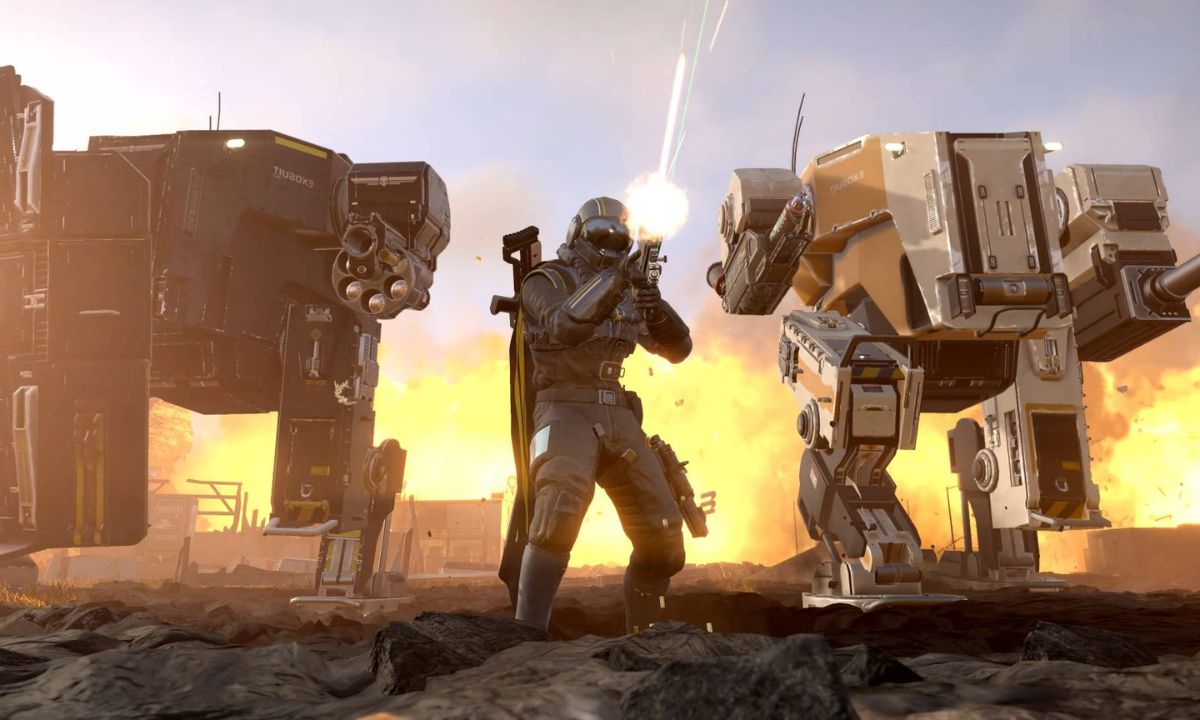
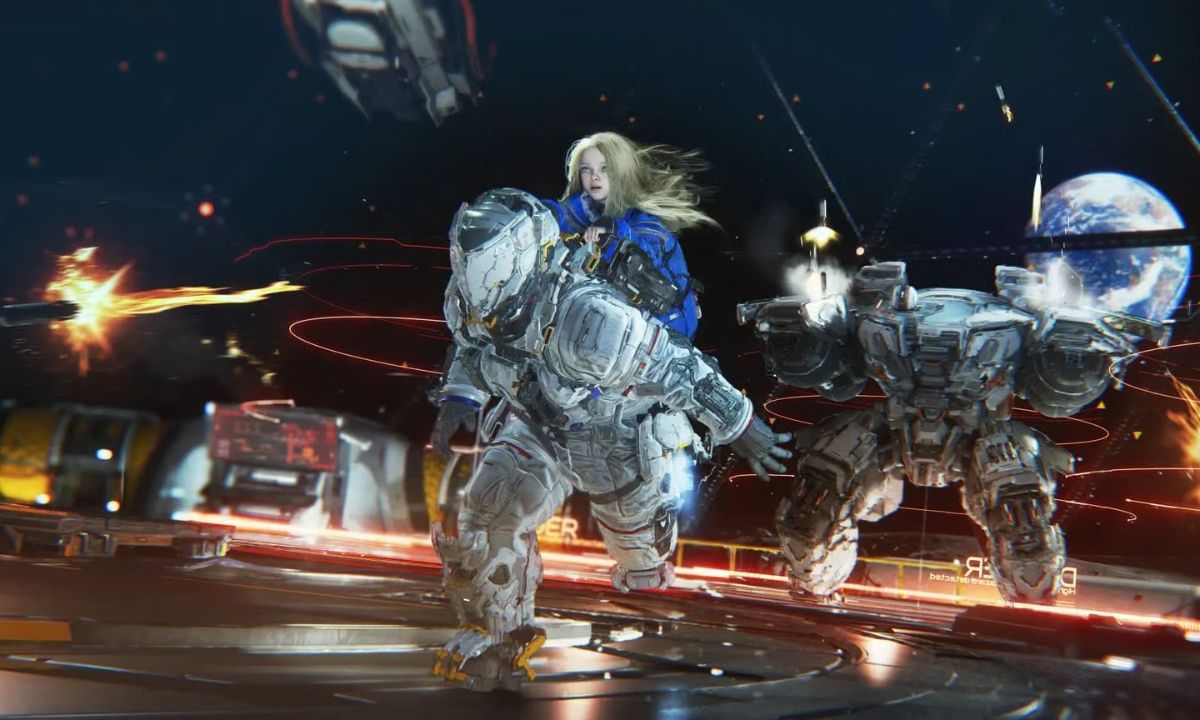
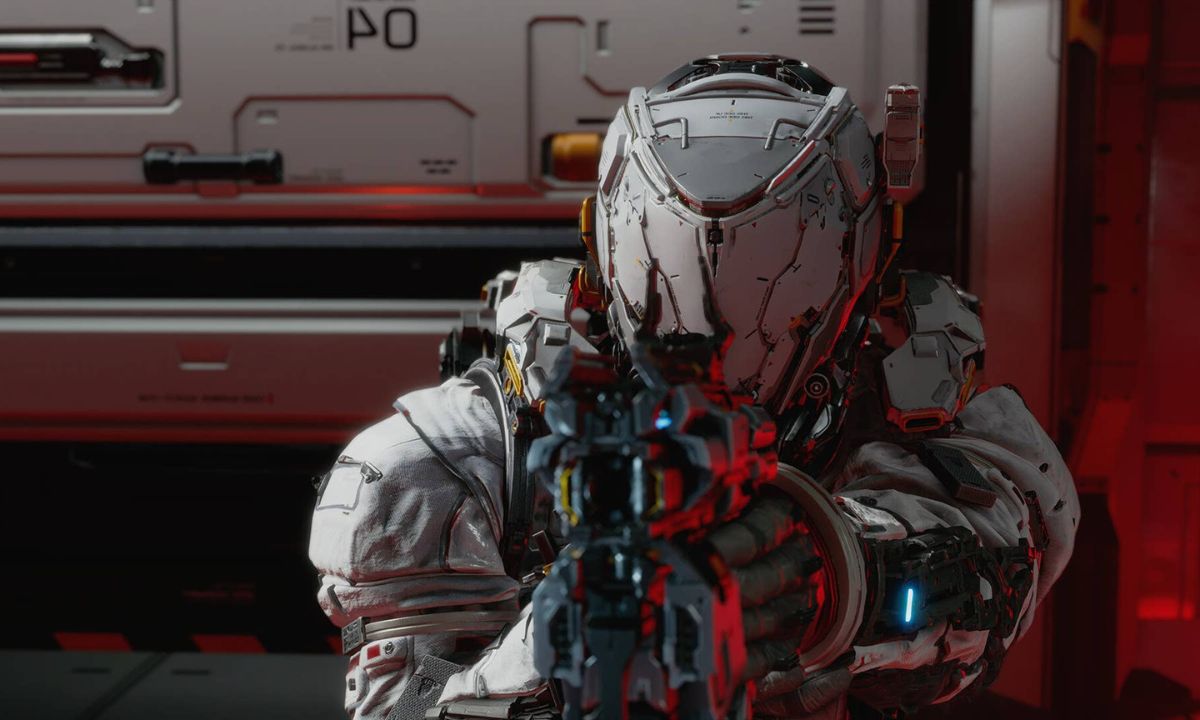
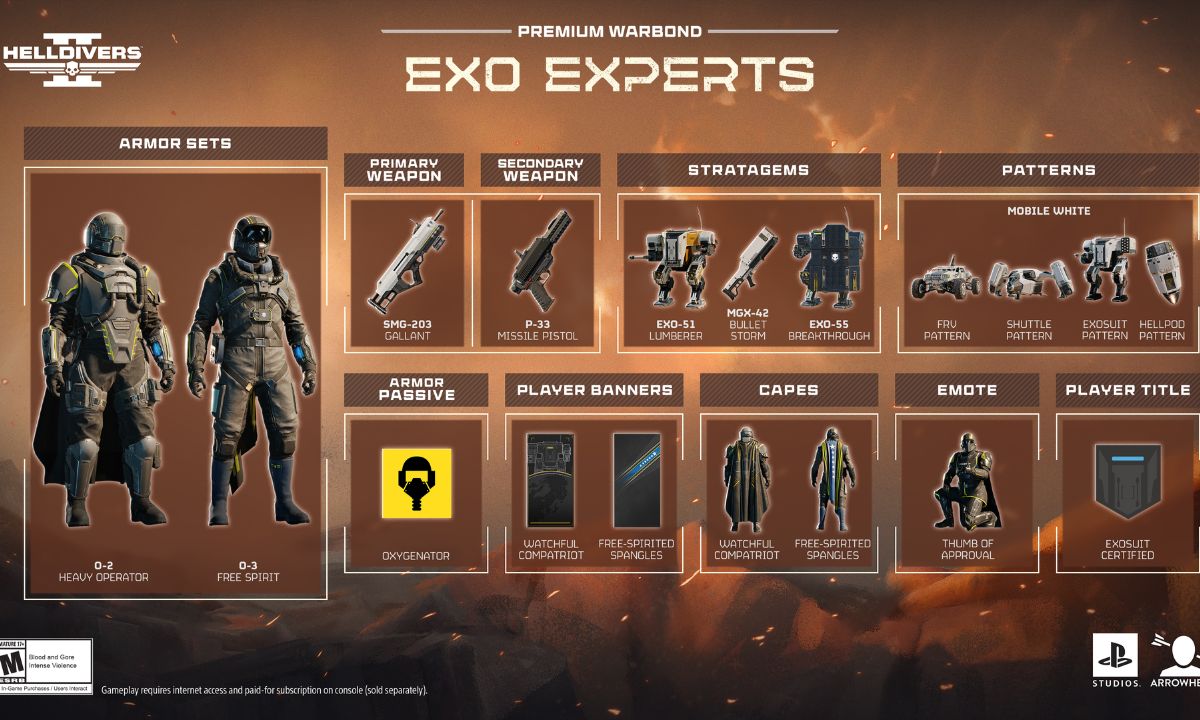
    Helldivers 2 is getting another Premium Warbond on April 28, 2026, and this time Arrowhead is leaning hard into mechanized firepower. The Exo Experts Warbond adds two new Exosuit Stratagems, a disposable support weapon Stratagem, two new firearms, two armor sets, and a fresh batch of cosmetics. Arrowhead confirmed the release in an official PlayStation Blog post, which also debuted the Warbond’s trailer.

    What matters most up front is that the Exo Experts Warbond is part of Helldivers 2’s paid Premium Warbond lineup, not a free content update. Arrowhead’s support FAQ says Premium Warbonds cost 1,000 Super Credits, are unlocked page by page using War Medals, and remain available permanently rather than expiring like a traditional battle pass.

    Exo Experts Warbond release date and official reveal

    The Exo Experts Warbond launches on April 28, with Arrowhead describing it as the latest Helldivers 2 Warbond and confirming that it requires the base game, Super Credits, and normal game progression to unlock. The official announcement does not list a precise release hour, so any exact launch-time claims floating around right now are guesswork unless Arrowhead publishes them separately.

    That permanence is worth stating clearly because players still confuse Warbonds with limited seasonal passes. Arrowhead says existing Warbonds always remain available for purchase, which means the Exo Experts Warbond should stay in the catalog after launch instead of disappearing on a short timer.

    Exo Experts Warbond weapons and Stratagems

    Exo Experts Warbond Helldivers 2

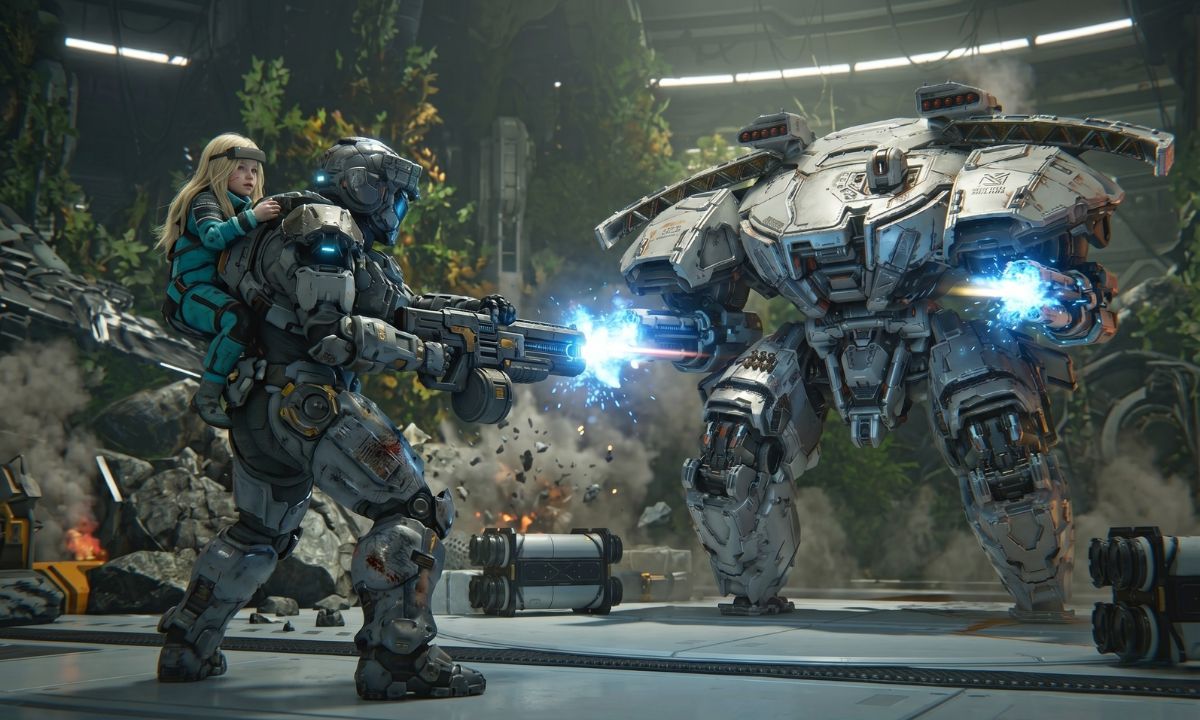
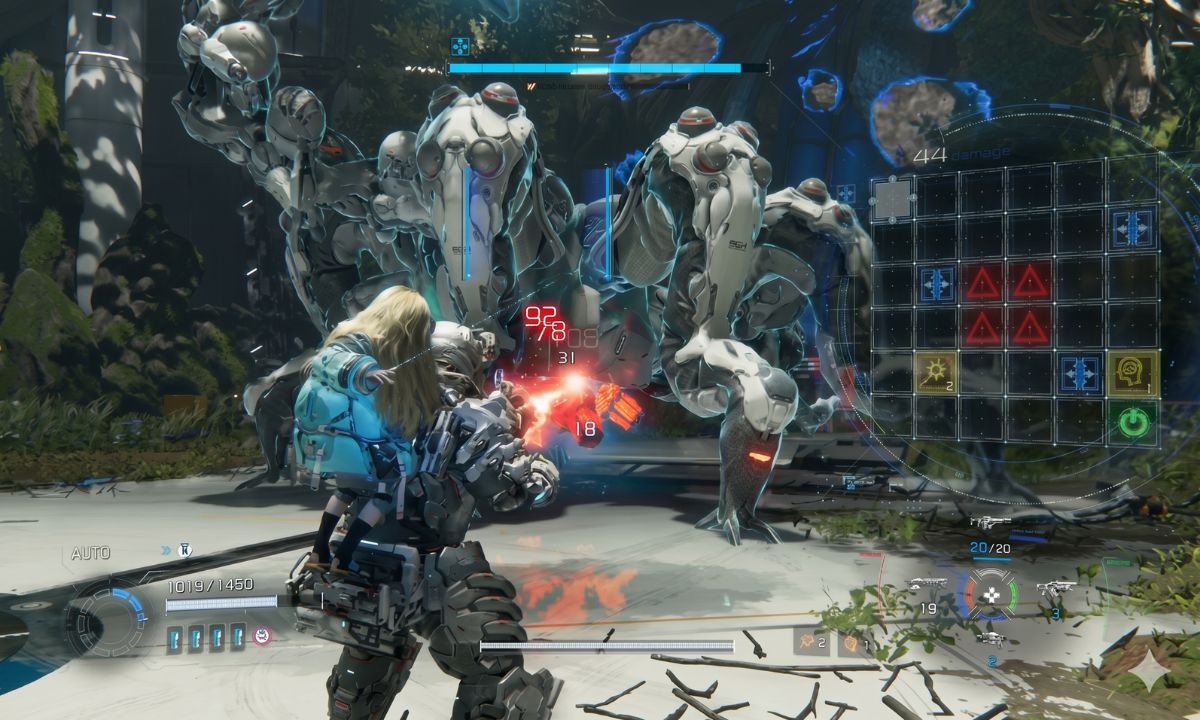
    The centerpiece of the Exo Experts Warbond Helldivers 2 weapons list is its pair of new Exosuit Stratagems. The EXO-51 Lumberer carries an anti-tank cannon and a flamethrower, while the EXO-55 Breakthrough comes with a flak cannon and a ballistics shield. Arrowhead also includes the MGX-42 Bullet Storm, a disposable machine gun Stratagem that gives players two units per usage.

    On foot, the Exo Experts Warbond adds the SMG-203 Gallant, a high-rate-of-fire submachine gun that trades magazine size for improved penetration, and the P-33 Missile Pistol, which uses guided, heat-propelled rounds and a lock-on feature. What Arrowhead has not confirmed is any single-shot magazine size or reload-after-each-shot mechanic, so that part should not be written as fact.

    What makes this release stand out is not that it is the first Warbond with Stratagems — that would be wrong — but that it appears to be the first Premium Warbond to put Exosuits directly at the center of the package. That is a cleaner and more defensible angle than overstating it as some kind of first-ever Stratagem Warbond.

    Exo Experts Warbond armor and cosmetics

    Exo Experts Warbond Helldivers 2 new weapons

    The Exo Experts Warbond also includes two armor sets: O-2 Heavy Operator and O-3 Free Spirit. Recent item breakdowns identify the O-2 Heavy Operator as heavy armor and the O-3 Free Spirit as light armor, which is the kind of detail players actually care about because it affects how the new passive fits different loadouts. Both armor sets use the Oxygenator perk, which increases walking, running, and sliding speed slightly.

    On the cosmetic side, Arrowhead confirms the Watchful Compatriot and Free-Spirited Spangles capes, the Exosuit Certified title, the Thumb of Approval emote and victory pose, and the Mobile White patterns. Secondary breakdowns add that the Mobile White set applies to the FRV, Shuttle, Exosuit, and Hellpod, which is useful specificity for readers comparing customization rewards.

    Exo Experts Warbond price and unlock path

    The standard price for a Premium Warbond is 1,000 Super Credits, and the PlayStation Store lists 1,000 Super Credits at $9.99 in the US. Buying the Exo Experts Warbond does not instantly hand over every reward, though. Like other Warbonds, it opens a progression track, and players still need to spend War Medals to claim individual items across its pages.

    There is one extra pricing wrinkle worth noting. The Super Citizen Edition includes a Premium Warbond Token, and Arrowhead’s FAQ says only Legendary Warbonds are excluded from token use. That means players who still have that token can use it on a Premium release like the Exo Experts Warbond instead of spending Super Credits. That is a real nuance, and most weak drafts miss it completely.

    What is still unconfirmed about the Exo Experts Warbond

    There are still limits to what Arrowhead has actually announced. The official reveal confirms the date, the item lineup, and the general theme, but it does not confirm a major mech rebalance, a larger gameplay overhaul, or a separate patch designed to reshape the Helldivers 2 meta. So any article claiming the Exo Experts Warbond will definitely transform top-level play is running ahead of the evidence.

    The safer conclusion is also the cleaner one: the Exo Experts Warbond is a mech-focused Premium Warbond launching on April 28, built around two Exosuit Stratagems, a disposable support weapon, two new firearms, mobility-focused armor, and a full set of themed cosmetics. That is enough to make it a meaningful Helldivers 2 update without inventing features Arrowhead has not confirmed.

  • Splatoon Raiders: Everything the New Trailer Reveals

    Splatoon Raiders: Everything the New Trailer Reveals

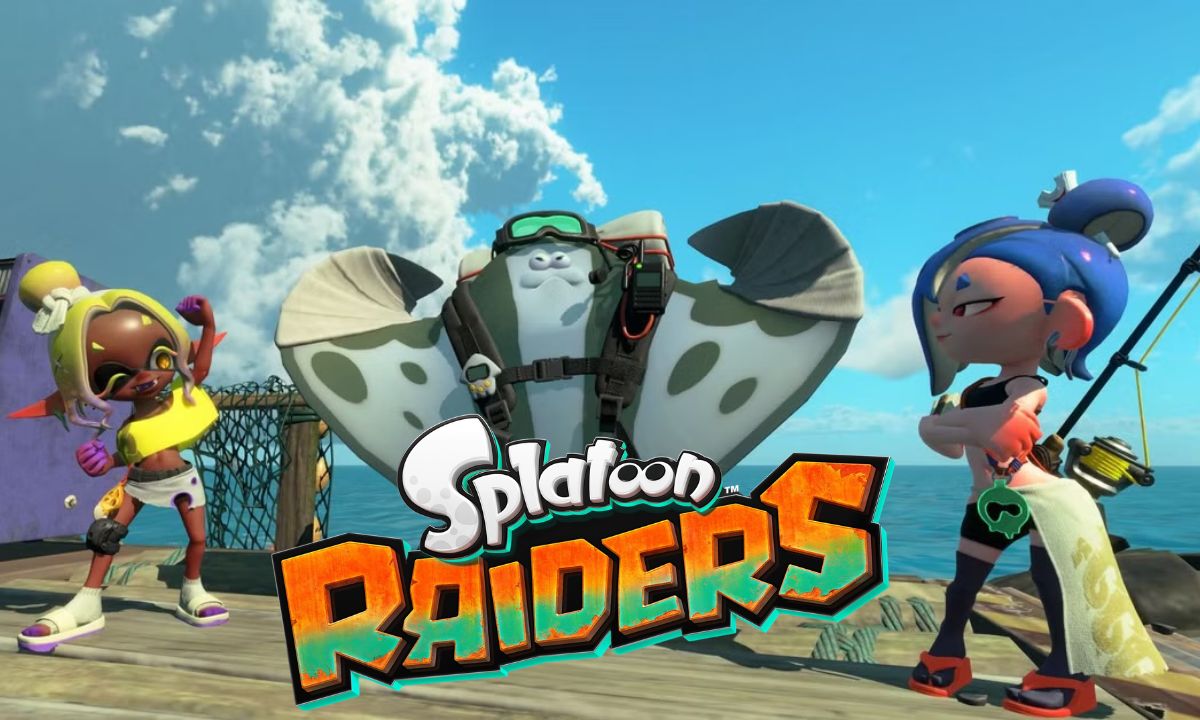
    Nintendo broke nearly a year of silence on April 21, 2026, dropping a new Splatoon Raiders trailer alongside the game’s first confirmed release date. The new Splatoon Raiders trailer — running approximately three minutes — consists entirely of gameplay footage, making it the most complete look at the Switch 2 exclusive to date. If you are looking for a quick summary of the release date confirmation and pricing details, see our Splatoon Raiders release date article. This piece focuses specifically on what the trailer itself reveals.

    How the Splatoon Raiders Announcement Was Made

    Nintendo’s official post, titled “Splatoon Raiders Makes a Splash with a New, Treasure-Hunting Trailer,” frames the reveal around character creation and the game’s gadget-heavy combat. Multiple gaming outlets reported the announcement came through the Nintendo Today app, with no prior Direct presentation or scheduled showcase.

    Splatoon Raiders Story Setup

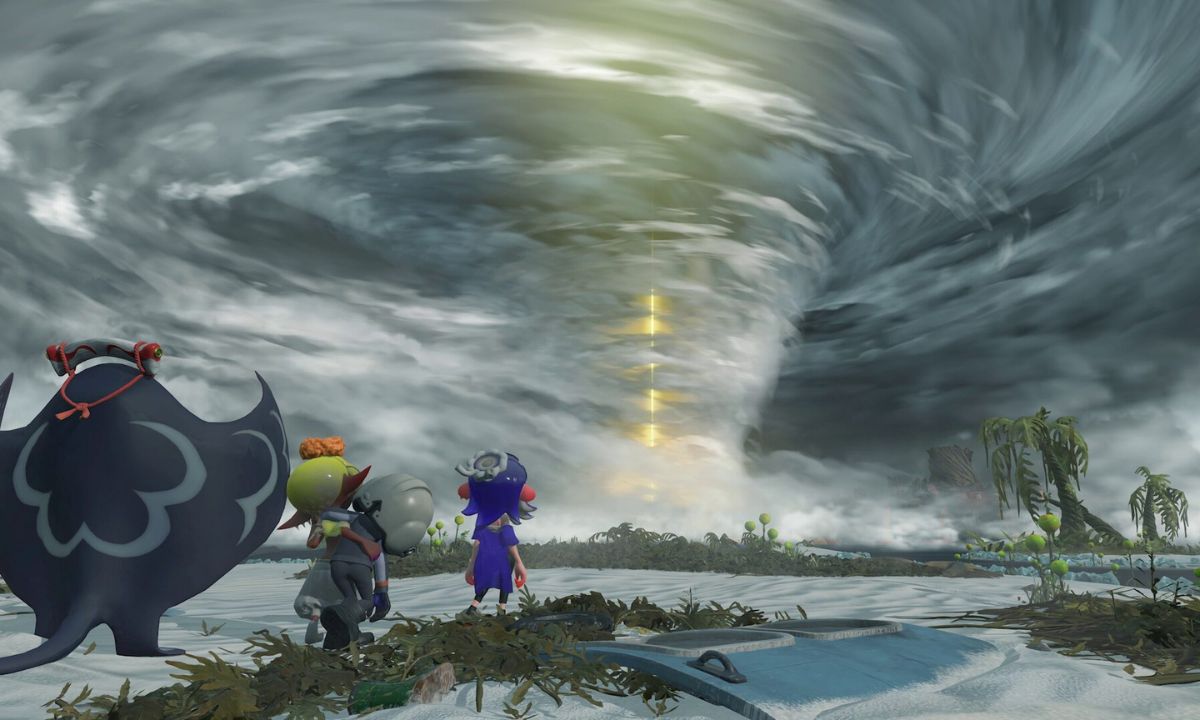
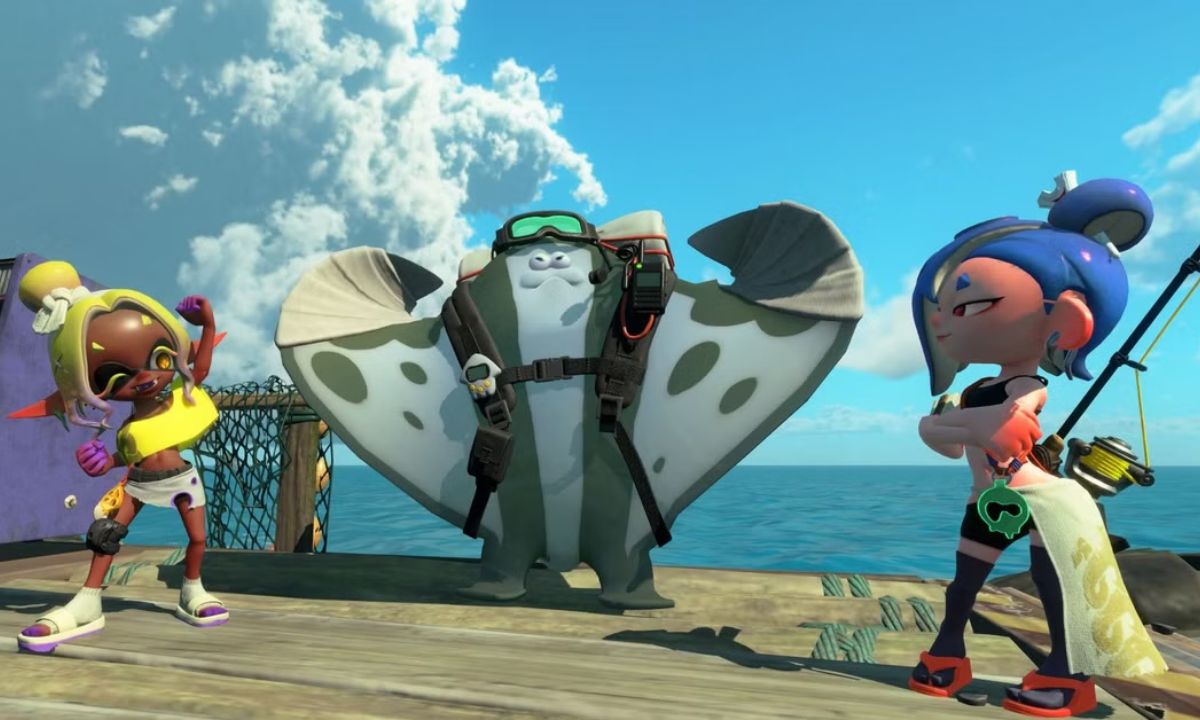
    The premise established in the original June 2025 announcement trailer shows Deep Cut riding a helicopter — presumably piloted by the Mechanic — when a beam of light triggers a violent cyclone over the Spirhalite Islands and brings the helicopter down. Deep Cut are then seen in worn-down outfits aboard a ship-like structure that serves as the Mechanic’s base, with Shiver fishing and Frye fidgeting with scraps nearby.

    Shiver, Frye, and Big Man find a map of the Spirhalite Islands hidden in a basement, and their attempt to claim its hidden treasure is what leads to the crash. They drive the plot of the game from that point forward.

    Splatoon Raiders Gameplay Loop

    The trailer opens with a brief look at the character creator, showing the stylish hairstyles players can choose for their custom Inkling, before the core Splatoon Raiders gameplay loop takes centre stage: the player blasts colorful foes, reveals new parts of an overworld map, and uses earned resources to construct gadgets that assist in battle.

    Nintendo’s official store description outlines the loop as follows: customize your character, kit yourself out with mechanical gadgets and ink-flinging weapons, take on waves of Salmonids, have a Deep Cut member accompany you in a powerful construct called the Exploration Bot to help fend off enemies and gather loot, bring your haul back to camp, upgrade your gear, then head out in search of more treasure.

    The trailer appears to show players collecting materials as they explore, which secondary coverage suggests are used to build new gadgets and pursue collectible relics. A weapon that appears to be called the Splatchet is visible in the footage, as is a location that looks like a base-building or crafting station. Big Man is shown launching a group-sweeping attack alongside the player in one segment, giving a sense of how Deep Cut members actively contribute to combat beyond dialogue.

    Weapons and Tools in the Splatoon Raiders Trailer

    Splatoon Raiders Release Date trailer

    The Splatoon Raiders trailer shows the Mechanic uncovering what appears to be a large open world while finding treasure and crafting new custom weapons, including what looks like an axe and a paint turret. Other weapons visible in the footage include what appears to be a sniper turret, a shark-based projectile, and a spinning ink disc shield. Several shots show ink tanks fitted with multiple attachments, suggesting a meaningful degree of loadout customisation.

    The trailer also appears to show the player riding on top of a Stingray in battle and includes what looks like a character voice selection option in the creation screen. The closing moments of the trailer show what appears to be a larger, more powerful Salmonid, suggesting boss encounters may be part of the game.

    What Nintendo Has Officially Confirmed for Splatoon Raiders

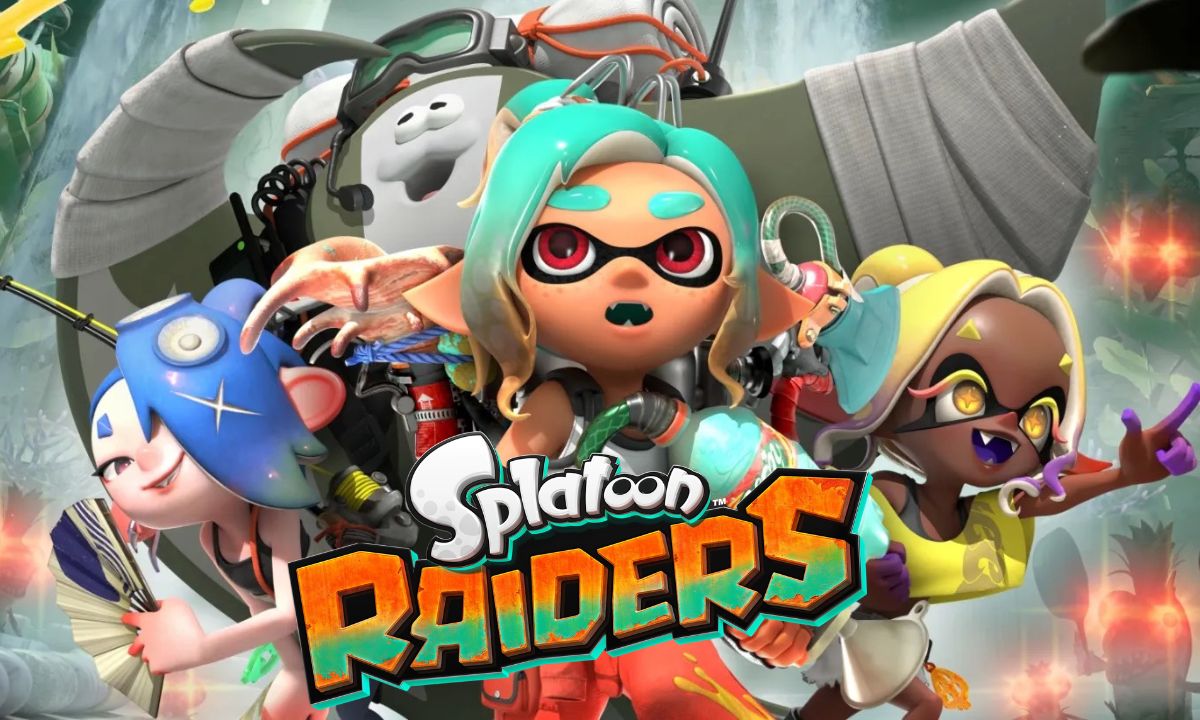
    Nintendo’s official store description reads: play as a mechanic working with Deep Cut — a trio of swashbuckling musicians — and venture out into the mysterious Spirhalite Islands. Customize your character, kit yourself out with mechanical gadgets and ink-splattering weapons, and take on waves of foes called Salmonids as you raid the islands for salvage. This is mainly a single-player adventure, but one member of Deep Cut will raid alongside you in the Exploration Bot. Players can also join with up to three other players online or via local wireless.

    Splatoon Raiders Pricing, File Size, and Technical Details

    Splatoon Raiders is priced at $49.99 for the digital edition in the United States and £41.99 digitally in the UK, both confirmed on Nintendo’s official regional store pages. Nintendo of America’s product page lists an estimated file size of 20GB. The game supports TV, Tabletop, and Handheld modes, requires a Nintendo Switch Online membership for online play, and supports Save Data Cloud. Nintendo’s US listing carries a content rating descriptor of Fantasy Violence. Pre-orders are live now on the Nintendo eShop and My Nintendo Store.

    Splatoon Raiders Deep Cut Amiibo

    The new amiibo for Frye, Shiver, and Big Man appear at the very end of the Splatoon Raiders trailer, showing all three Deep Cut members in their new in-game outfits. The figures’ bases connect together to form a unified display stand. Nintendo’s product pages list a separate entry for each figure, all releasing on July 23, 2026. In-game functionality has not yet been announced, and pre-orders for the amiibo are opening on My Nintendo Store.

    Splatoon Raiders Series Context

    The Splatoon franchise launched in May 2015 as a Nintendo Wii U exclusive. Splatoon 2 followed on Nintendo Switch, and Splatoon 3 arrived in September 2022. Splatoon Raiders is the franchise’s first ever spin-off, as confirmed by Nintendo at the time of the original June 2025 announcement, and will be the first Splatoon title released for Nintendo Switch 2.

    What Is Still Unknown

    Nintendo has not detailed the full progression structure, total mission count, or endgame content of Splatoon Raiders. The specific in-game benefits of the new amiibo remain unannounced. Nintendo has not confirmed whether a dedicated showcase or Direct for the game will follow before the July 23 launch.


    Splatoon Raiders launches July 23, 2026, exclusively on Nintendo Switch 2. Digital pre-orders are available now on the Nintendo eShop and My Nintendo Store.

  • Splatoon Raiders Launches July 23 as a Nintendo Switch 2 Exclusive

    Splatoon Raiders Launches July 23 as a Nintendo Switch 2 Exclusive

    Nintendo has confirmed the Splatoon Raiders release date as July 23, 2026, with the game launching exclusively on Nintendo Switch 2. The announcement arrived alongside a new trailer, giving the Splatoon spin-off its first firm launch date since Nintendo first revealed it in 2025.

    That confirmation comes directly from Nintendo’s latest news post and the game’s official store page. Nintendo’s April 21 post is built around a new “treasure-hunting trailer,” while the official video is titled “Splatoon Raiders — Release Date Revealed — Nintendo Switch 2.”

    Nintendo first announced Splatoon Raiders on June 10, 2025, calling it the first-ever Splatoon spin-off and introducing players to the game’s premise on the Spirhalite Islands alongside Deep Cut. At the time, Nintendo did not give a release date.

    What is confirmed now is the release date, platform, core premise, digital price, estimated file size, and the game’s broad play structure. What remains less clear is the deeper progression loop and mission structure, which Nintendo still has not broken down in full.

    Splatoon Raiders release date

    The new trailer gives the spin-off a clearer identity

    Nintendo’s latest post says the trailer shows “character creation” and “glitzy gadgets,” while the official store page describes Splatoon Raiders as a single-player-focused action shooter. Players take on the role of a mechanic working with Deep Cut and head to the mysterious Spirhalite Islands to raid for salvage and fight Salmonids.

    That matters because the new footage and updated store copy finally make the game feel like more than a premise reveal. Nintendo is now presenting it as a defined exploration-and-combat adventure rather than just a Switch 2 spin-off with a name and a setting.

    Store details add price, file size, and co-op support

    Nintendo’s official US store page lists the digital version of Splatoon Raiders at $49.99 and gives the game an estimated file size of 20 GB. The page also confirms support for TV mode, Tabletop mode, and Handheld mode.

    The same store listing says the game is mainly a single-player adventure, but not strictly solo. Nintendo says one member of Deep Cut will accompany the player in a powerful bot, and players can also join with up to three other playersonline or via local wireless.

    Nintendo’s US store page also lists the game’s ESRB information as “Fantasy Violence.”

    US physical pricing has also been reported at $59.99, while Nintendo Life says the UK digital version is priced at £41.99and UK physical pricing is still to be confirmed.

    New Deep Cut amiibo are releasing the same day

    Nintendo is also tying the launch to new Splatoon Raiders-themed amiibo. Official Nintendo product pages show separate listings for Frye, Shiver, and Big Man, each with a July 23, 2026 release date. Nintendo says details about their functionality in Splatoon Raiders will be announced later.

    That separate-listing approach is the clearest way to frame the amiibo rollout right now. Nintendo’s own store pages support individual product entries, so it is safer to present them that way rather than as a confirmed single bundle.

    What Nintendo still has not detailed

    Nintendo has now confirmed the most important launch details: the July 23, 2026 release date, the Nintendo Switch 2 exclusivity, the game’s single-player-focused setup, optional co-op support, and the same-day rollout for the new Deep Cut amiibo.

    What Nintendo has not yet fully explained is how progression, mission variety, and the full structure of the adventure will work across the entire game. For now, the clean takeaway is simple: Splatoon Raiders has moved from an interesting spin-off announcement to a clearly dated first-party Switch 2 release with a new trailer and a fuller official product profile.

  • Square Enix Reveals Final Fantasy XIV Patch 7.5 Features

    Square Enix Reveals Final Fantasy XIV Patch 7.5 Features

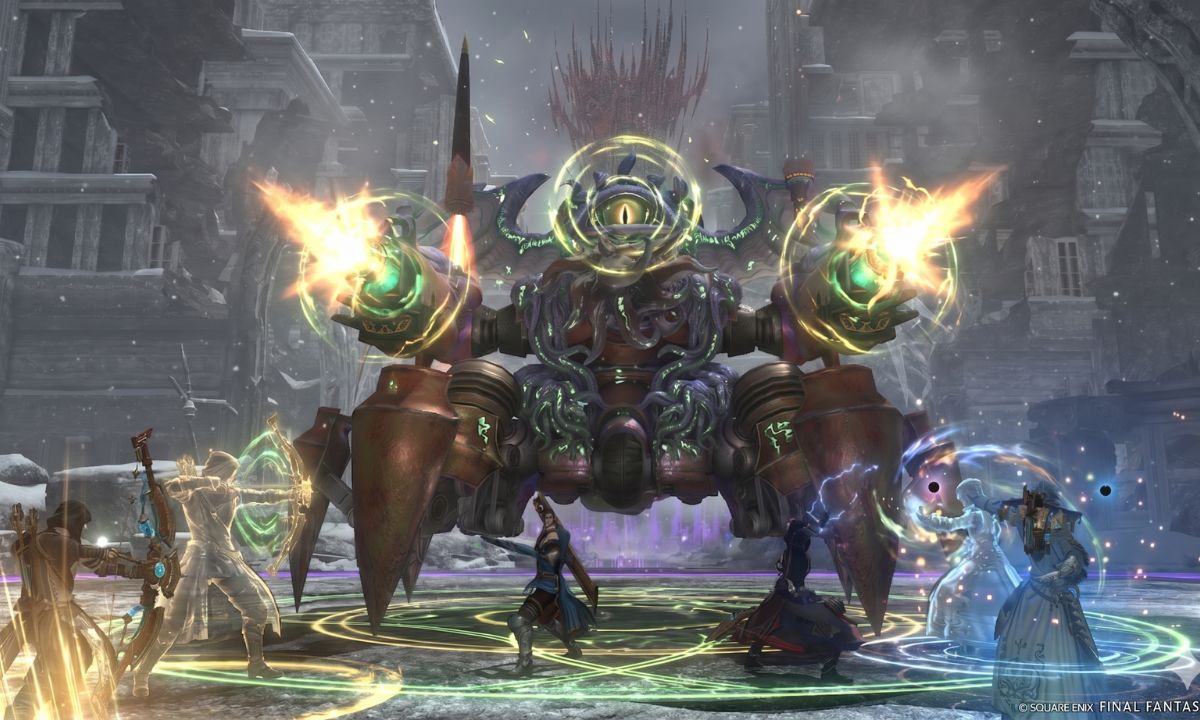
    Square Enix has detailed what players can expect from Final Fantasy XIV Patch 7.5: Trail to the Heavens, which launches on April 28, 2026. The official Patch 7.5 site confirms the date and outlines a broad feature set that includes new main scenario quests, a new dungeon and trial, the final chapter of the Echoes of Vana’diel alliance raid series, PvP additions, housing changes, and more across the wider 7.5x rollout.

    The company has also made clear that the story is being split into two parts, with Part 1 arriving in Patch 7.5 and Part 2following later in Patch 7.56. Square Enix’s official description says the Warrior of Light returns from the Ninth to continue investigating the key before an ally’s unsettling message pulls events in another direction.

    What is confirmed right now is the April 28 launch date, the headline 7.5 features, and the fact that not everything arrives on day one. The official site explicitly notes that some content will be made available later via patch updates, which is the important caveat for features like Beastmaster, the new Ultimate raid, and other 7.5x additions.

    For players still sorting out platform support before the new patch lands, Is FFXIV Cross Platform is a relevant companion read here, especially since Square Enix’s official Patch 7.5 page continues to show the game across PlayStation, Xbox Series X|S, PC, Mac, and Steam.

    Trail to the Heavens Begins the Next Stage of the Story

    Square Enix Reveals Final Fantasy XIV

    Patch 7.5 opens with Trail to the Heavens – Part 1 of the main scenario. On the official site, Square Enix frames this as a direct continuation of the key mystery, while also suggesting the Warrior of Light’s personal fate will move closer to the center of the story again.

    The broader 7.5 cycle also includes the Dawntrail Allied Society capstone, Inconceivably Further Hildibrand Adventures, and new Custom Deliveries for Aunt Tii’s Tacos. Those are listed on the official Patch 7.5 site as part of the update series rather than as separate later reveals.

    The Patch Adds a New Dungeon, Trial, Alliance Raid, and Unreal

    On the PvE side, Patch 7.5 adds the new dungeon The Clyteum, which Square Enix describes as a long-abandoned Garlean manufactory that has become the front line of a new incursion. It also introduces the new trial The Unmaking, with the official site naming Enuo as the dread sovereign tied to the fight. The next Unreal encounter is Shinryu’s Domain (Unreal).

    The Final Fantasy XI crossover alliance raid series also reaches its conclusion in Echoes of Vana’diel – Windurst: The Third Walk. Square Enix positions it as the climax of Sareel Ja’s ambitions, making it one of the clear centerpiece additions in Patch 7.5’s PvE lineup.

    A new Ultimate raid is also part of the broader 7.5x cycle. Square Enix’s official site confirms its existence, but the public 7.5 special site does not name the encounter or lock it to a specific sub-patch on the page itself, so overstating the exact patch number would be reckless unless Square Enix confirms it more directly elsewhere.

    Beastmaster Is Confirmed, but It Is Not Day-One Patch 7.5 Content

    One of the biggest announced additions in the 7.5 cycle is Beastmaster, which Square Enix has confirmed as a new limited job. The official site lists it as part of the Patch 7.5 feature slate, but the same site also warns that some content in the 7.5 package arrives later via patch updates, which is why Beastmaster should be framed as a 7.5x addition, not guaranteed day-one content on April 28.

    Square Enix’s March press materials and Live Letter coverage described Beastmaster as a limited job built around weakening and capturing beasts, then calling them into battle, with captured creatures logged in the Master’s Bestiary. The same reveal also said the initial release would include 50 beast types and a dedicated solo progression mode called Crucible of the Unbroken.

    One other major change tied to Patch 7.5 affects limited jobs more broadly. In a Lodestone notice, Square Enix said that after Patch 7.5 goes live, limited jobs will only be able to accept limited-job quests and quests available to all classes/jobs. The company also said limited jobs will be unable to proceed with certain allied society quests that are quest-synced and require the same class or job through completion.

    Occult Crescent Continues and Phantom Weapons Move Forward

    The 7.5x cycle also expands Occult Crescent with North Horn, adding new enemies, FATEs, critical encounters, a higher knowledge level cap, and more phantom-job content. Square Enix added those details in its updated special-site materials, reinforcing that 7.5 is being treated as a staggered rollout rather than a single-day content dump.

    At the same time, Phantom Weapons are continuing toward their final form. That makes FFXIV Patch 6.55 a useful internal reference point here, because it gives readers historical context for how Final Fantasy XIV handles late-cycle weapon progression and patch-to-patch upgrade paths. Patch 7.5’s official site confirms new Weapon Enhancement Quests – Phantom Weapons as part of the update cycle.

    PvP Gets a New Crystalline Conflict Stage

    Patch 7.5 also adds Archeia Harmonias, a new Crystalline Conflict map. Square Enix says the stage includes aetherometers, aetherial bridges, and healing glyphs, giving it a more mechanics-driven identity than a basic visual reskin.

    That means the update is not just building out story and raid content. It is also giving PvP players a fresh map with distinct movement and control elements, which helps make the patch feel broader than a purely MSQ-focused update.

    Gatherers, Crafters, and Side Systems Are Getting More Too

    Outside of combat, Square Enix has confirmed a new ocean fishing route, the next Cosmic Exploration destination in Auxesia, and a Manderville Gold Saucer update as part of the 7.5x cycle. The official patch site also ties Auxesia to ongoing Cosmic Tools progression.

    These additions matter because they keep Patch 7.5 from reading like a raid-only update. Dawntrail’s late-cycle patches are also continuing to push side systems for gatherers, crafters, explorers, and long-term progression players.

    Housing, Storage, and Dye Changes Could Matter as Much as the Combat Additions

    Patch 7.5 is also bringing a notable batch of housing and quality-of-life changes. Square Enix’s official reveal and subsequent coverage say indoor and outdoor furnishing limits are increasing, new interior fixture designs are coming, and the larger interior-expansion feature is being saved for a later housing update rather than Patch 7.5 itself.

    The dye overhaul is another major system change. Square Enix said dye items will be consolidated into three categoriesto reduce inventory clutter while keeping the total number of available colors unchanged, and that players will be able to exchange affected dyes through a bulk-conversion process.

    Storage is getting a meaningful boost too. Recent Live Letter coverage says the armoire will support all job-specific gearand dungeon gear from 3.0 onward, which is broader than only 7.x dungeon sets. That is a more precise way to frame the change.

    Patch 7.5 Is Big, but the 7.5x Rollout Is the Real Story

    The most important thing to understand about Final Fantasy XIV Patch 7.5 is that Square Enix is treating it as the opening chapter of a broader rollout, not a one-day dump of everything already announced. The April 28 patch starts Trail to the Heavens, adds a major first wave of battle and system content, and sets up later 7.5x updates to carry some of the cycle’s biggest features forward.

    So while Patch 7.5 already looks loaded with new story content, PvE additions, PvP updates, housing changes, and system overhauls, April 28 is really the beginning of the update arc rather than its endpoint.

  • SimplePlanes 2 Release Date Moved Up to April 23 in Early Access

    SimplePlanes 2 Release Date Moved Up to April 23 in Early Access

    Jundroo has officially moved the SimplePlanes 2 release date up to April 23, 2026, with the game set to launch in Steam Early Access at 12:00 PM CT. The studio confirmed the change in its new “Good News Everyone!”announcement, which replaced the earlier April 28 plan.

    The update came directly from Jundroo rather than from storefront guesswork or community speculation. In that announcement, the studio said it decided to move the game forward after realizing that s&box release was also on April 28 and could overlap with part of the same sandbox audience.

    What is confirmed right now is the launch date, launch time, Steam Early Access release, and pricing. What remains less clear is the timing for platforms beyond the initial PC launch. Jundroo’s FAQ says the first release is planned for Steam on Windows and macOS, while iOS and Android are planned later. The same FAQ says console and Quest versions are possible, but not confirmed.

    That means the date story is no longer a matter of conflicting listings. The older April 28 plan is outdated. The Steam page now shows April 23, 2026, which lines up with Jundroo’s newest official post.

    Jundroo Has Turned a Wait Into an Earlier Launch

    SimplePlanes 2 Release Date

    This matters because SimplePlanes 2 had been sitting in the usual wait-and-see zone for a while. Jundroo previously pointed to March 2026, then April 2026, and then specifically April 28 before making this latest move. The game now finally has a firm and current launch date attached to it.

    That also gives the story a better angle than a standard date-confirmation article. This is not a delay story and it is not a vague-window update. Jundroo has moved the game forward by five days, which is a stronger signal than another cautious “coming soon” post.

    What SimplePlanes 2 Actually Adds

    SimplePlanes 2 is being presented as a much broader sandbox sequel rather than a small step up from the original. On Steam, Jundroo describes it as a game where players can build planes, cars, or anything else using procedural parts, then explore detailed environments with friends in multiplayer. The store page also highlights access to 1,000,000 community crafts.

    The feature upgrades are where the sequel starts to separate itself more clearly. Jundroo’s materials point to major improvements in procedural wings, fuselages, and engines, along with upgraded building tools and a broader vehicle sandbox than before. That wider scope is part of why the game looks more ambitious than the original SimplePlanes instead of just feeling like a numbered refresh.

    Coming from a category of multiplayer games is also a bigger selling point than it was in the first game’s era. Jundroo has already shown off Major Chadas the game’s mascot-style player model, and its multiplayer materials say players can host lobbies with up to 15 other players while setting rules such as weather, time of day, and craft part limits. If you want the cautious editorial framing, the cleaner wording is that the game supports multiplayer lobbies for up to 10 players, with higher limits supported in private sessions.

    Backwards Compatibility Could Be One of Its Best Launch Advantages

    One of the strongest hooks is the game’s connection to the original community. Jundroo’s Steam page says players will be able to download 1,000,000 community crafts, while the FAQ says players will be able to fly their SimplePlanes 1 crafts in SimplePlanes 2. That gives the sequel a much bigger launch-day sandbox than many Early Access building games usually get.

    That matters because it cuts directly into a common Early Access problem: strong tools but not enough content. If SimplePlanes 2 delivers on that backwards-compatibility promise the way Jundroo is presenting it, the sequel could open with a huge built-in library of things for players to test, modify, and share.

    The Early Access Label Still Matters

    Even with the date moved forward, this is still an Early Access launch, not a 1.0 release. Jundroo’s FAQ says the studio is using Early Access so it can keep building features such as localization, VR support, more parts, and more environments with community feedback. Steam’s Early Access section also says the current plan is for the game to remain in Early Access for about a year.

    That is important because it keeps expectations honest. The game appears feature-rich already, but Jundroo is still positioning it as a project that will continue expanding after launch rather than as a finished product pretending not to be one.

    SimplePlanes 2 Release Date

    The short answer is now clear: SimplePlanes 2 launches in Steam Early Access on April 23, 2026, at 12:00 PM CT. Jundroo has also kept the previously announced $19.99 base price and 10% launch discount, which lowers the price to $17.99 for the first 14 days.

    So this is no longer a question of whether players should follow the old April 28 announcement or an earlier storefront listing. Jundroo has already settled that. The studio moved the game forward, and the SimplePlanes 2 release dateplayers should follow now is April 23.

    For more latest gaming news, gaming coverage, follow our ongoing coverage on GameEmpress.

  • Wild Arms 4, the Classic PlayStation 2 RPG, Returns on PS5 and PS4

    Wild Arms 4, the Classic PlayStation 2 RPG, Returns on PS5 and PS4

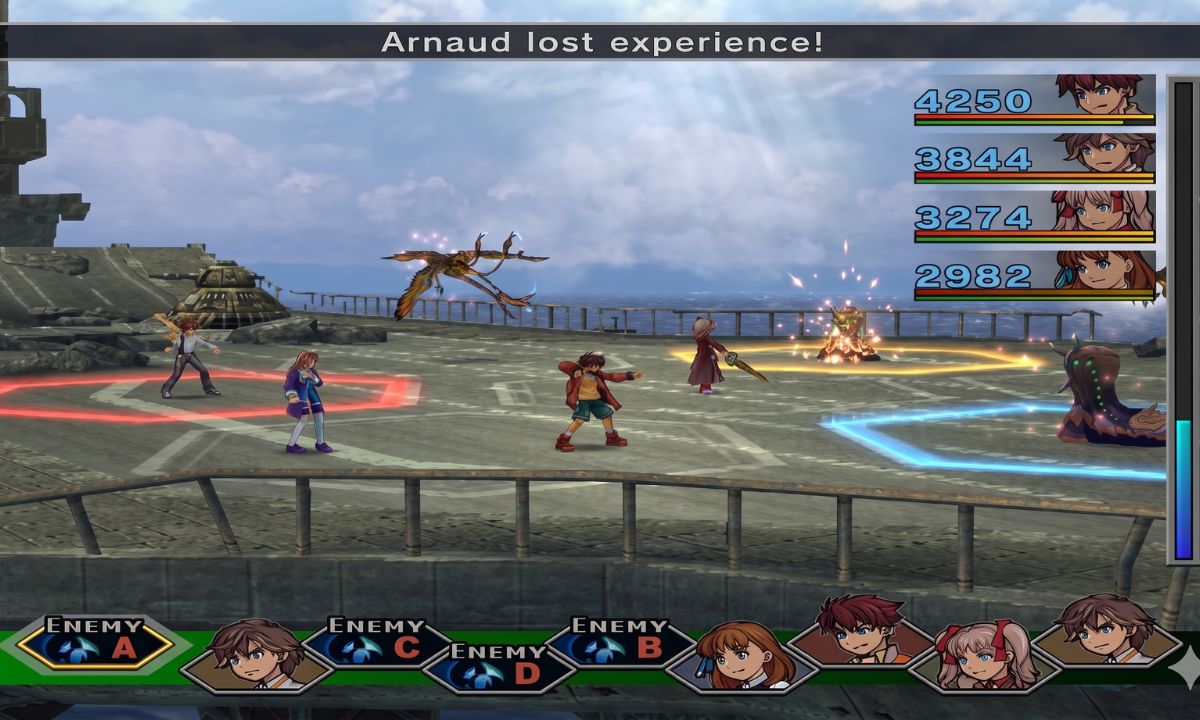
    ony is bringing Wild Arms 4 back to modern PlayStation hardware, with the classic RPG joining the PlayStation Plus Premium lineup on April 21 for PS5 and PS4. The game was confirmed as part of PlayStation’s April 2026 catalog update, which adds another entry from the long-running series to current systems.

    A classic return, not a remake

    This is not a remake announcement, and it is not being positioned like one. Wild Arms 4 is returning as a classic catalog release, which means players are getting the original game with a set of modern support features rather than a rebuilt version with overhauled visuals or redesigned systems. The official description says the release is enhanced with up-rendering, rewind, quick save, and custom video filters.

    That distinction matters because the word “returning” can create the wrong expectation. In this case, the appeal is preservation and access. For players who missed the game during the PlayStation 2 era, this is a straightforward way to revisit a title that has not exactly stayed in the spotlight over the years.

    The 2005 label only tells part of the story

    Wild Arms 4, the Classic PlayStation 2

    A lot of shorthand coverage around the game treats it as simply a “2005 PlayStation 2 title,” and that description needs context. Wild Arms 4 launched in Japan on March 24, 2005, but the U.S. release followed on January 10, 2006. So the 2005 label is not wrong, but it is incomplete if it is presented as the whole release history.

    That is why the cleaner way to frame the story is to call Wild Arms 4 a classic PlayStation 2 RPG rather than lean too heavily on a single year. It tells readers what matters without dragging the headline into unnecessary regional date confusion.

    Filgaia returns on modern hardware

    The setup remains one of the game’s biggest selling points. The official description places Wild Arms 4 in Filgaia, a world still left scarred by a brutal war even after peace was supposedly won. That backdrop helped give the series its own identity, blending wasteland imagery, melancholy fantasy, and science-fiction elements in a way that stood apart from many other RPGs of its era.

    For longtime fans, that is likely the real hook behind this release. It is not just that an old game is being resurfaced. It is that one of the later mainline Wild Arms entries is becoming easier to access again on active PlayStation platforms, giving the series another bit of visibility after spending years mostly in the background. That broader reading is an inference from PlayStation’s current catalog strategy and existing storefront availability for earlier entries in the series.

    What players should expect on April 21

    PlayStation says the full April lineup will be available on April 21. The company also notes that PlayStation Plus Game Catalog and PlayStation Plus Premium/Deluxe lineups may differ by region, and tells players to check the PlayStation Store on release day. That means the release itself is confirmed, but exact regional availability may still vary depending on market.

    That caveat is worth keeping in mind, especially for players outside the U.S. or those who expect every catalog addition to appear identically across regions. The important part, though, is already locked in: Wild Arms 4 is on the way back for PS5 and PS4, and it is arriving as part of the Premium lineup rather than as some vague future catalog possibility.

    A smaller comeback that still matters

    This is not the kind of return that suddenly turns Wild Arms into one of PlayStation’s biggest active franchises again. But that is not really the point. For players who care about classic Japanese RPGs, getting Wild Arms 4 back onto current hardware is still a meaningful addition. It preserves another PlayStation 2-era title, makes it easier to access, and gives a once less-visible entry in the series a fresh window on modern consoles.

  • How to Beat the Sector Guard in Pragmata

    How to Beat the Sector Guard in Pragmata

    If you need to beat the Sector Guard in Pragmata, the most important thing to know is that this fight is not a normal shooter boss. It is the first encounter that forces you to play the game the way it actually wants to be played: hack first, expose the weak point, then spend your damage during the opening. Once that clicks, the fight gets much simpler.

    The Sector Guard is waiting at the end of Sector 1: Solar Power Plant, and it is a mandatory story boss. It is also the first real systems check in the game, because it introduces the rhythm that later bosses keep building on. If you walk in treating it like a pure dodge-and-shoot fight, you will waste ammo and drag the encounter out.

    Before you walk through that airlock

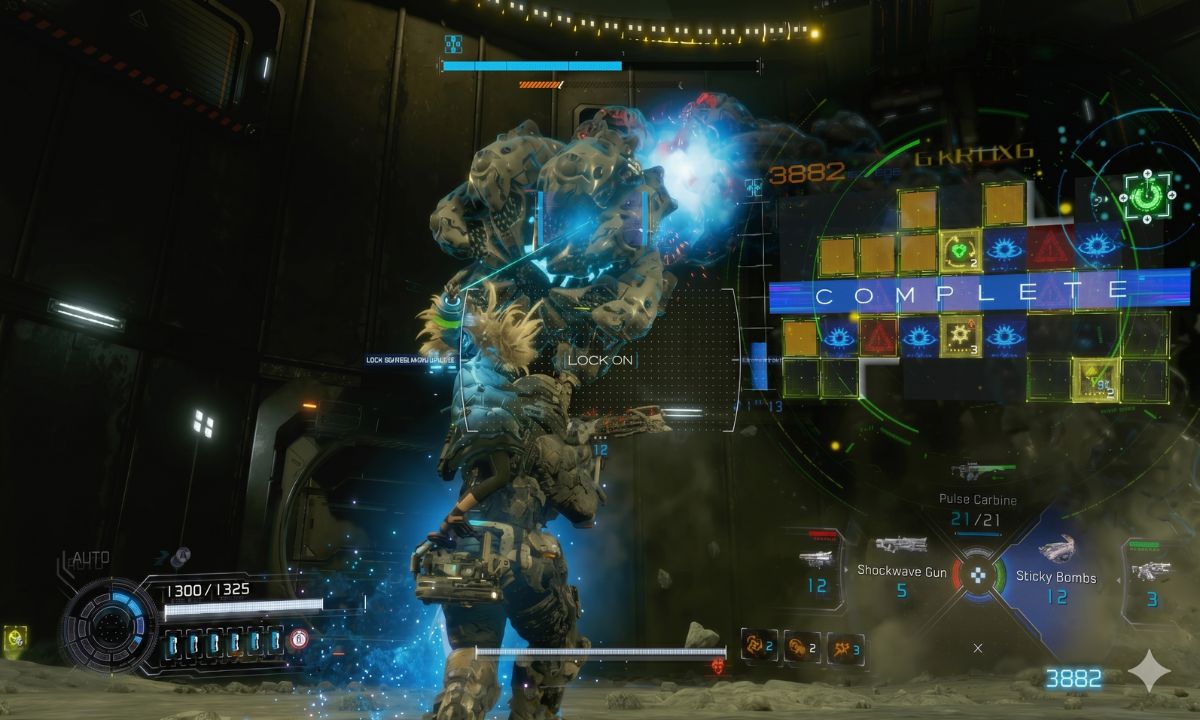
    Right before the arena, stop thinking about raw damage and think about control. The safest setup is your Grip Gun as the reliable fallback, Shockwave Gun as your main punish weapon, and Stasis Net as the control tool that makes your best openings easier to convert. PlayStation’s combat overview explains why that kind of loadout works in Pragmata: the Primary weapon stays with you, while the stronger tools are limited-use and need to be spent carefully.

    If you have a Decode node ready, hold onto it for a real opening. This is not the kind of fight where you want to burn resources the moment the health bar appears. The Sector Guard is much easier when you save your better tools for the moments that actually matter.

    How to beat the Sector Guard in Pragmata without wasting ammo

    Pragmata Sector Guard boss fight guide

    The clean way to beat the Sector Guard in Pragmata is to stop trying to force damage whenever the boss is on screen. The loop is simple: survive the attack pattern, hack the boss, get behind it, hit the weak point, then reset before the next sequence starts. The fight is much stricter than it is random.

    The most important targeting detail is the weak point. It is the large orange tank on its back, not the front of the boss. That is where your real damage comes from. If you keep pumping shots into the face or center mass, the fight drags and gets harder for no reason.

    The attacks you need to read early

    For most of the fight, the Sector Guard leans on two attacks.

    The first is its charge. When it crouches and commits, be ready to move laterally and keep it in view. One of the easiest ways to get clipped is to focus too hard on hacking or aiming and lose track of the boss for a second.

    The second is its missile volley. The safest answer here is usually steady movement rather than panic-dodging. Keep sprinting, keep spacing, and only dodge when you genuinely need to. If you overreact to the missiles, you usually ruin your own positioning for the next real opening.

    Where the real damage comes from

    To beat the Sector Guard in Pragmata, you have to respect the hack-and-punish cycle. PlayStation’s preview makes clear that hacking is what compromises armor and exposes weak points, and that is exactly what this boss is teaching. If you are not hacking often enough, you are not really fighting it properly.

    This is where Shockwave Gun earns its place. Use it when the boss is properly opened up and you have a clean angle on the back tank. That is the weapon you use to cash in. Your Grip Gun is there for the quieter moments in between, not as the main answer to the whole fight.

    If you have Decode, apply it before a clean punish window rather than spending it casually. Good openings are what matter in this fight, not constant low-value fire.

    What changes once Overdrive comes online

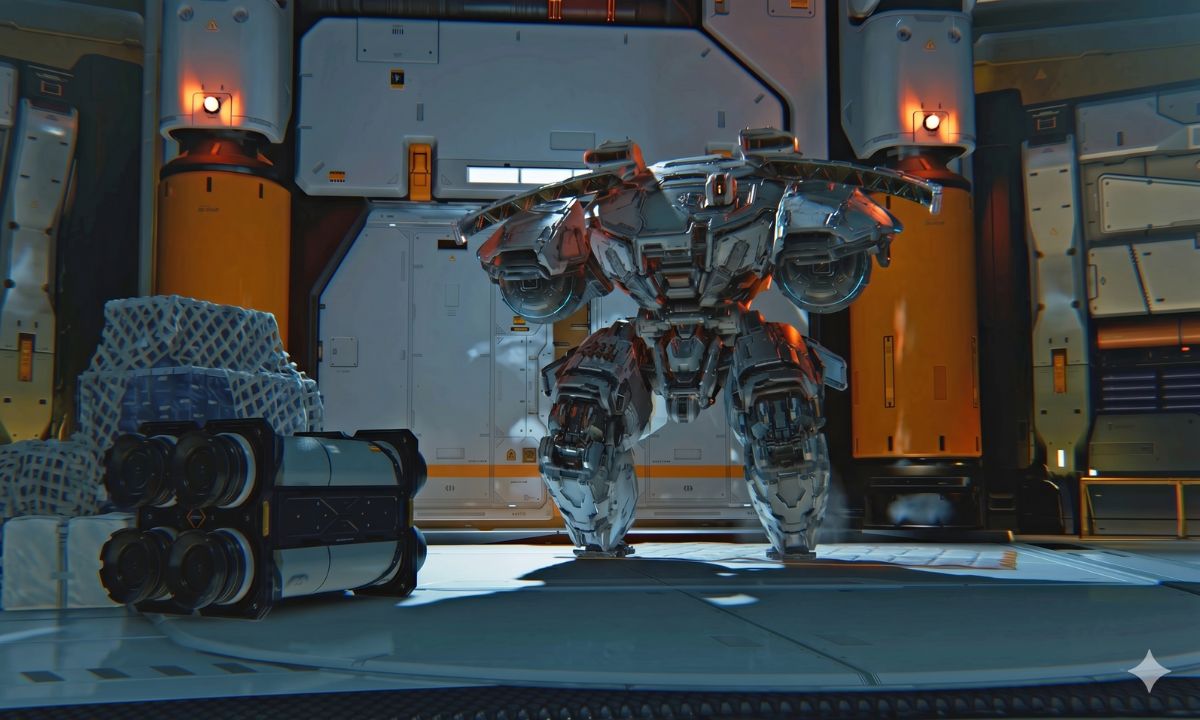
    Pragmata Grip sector guard

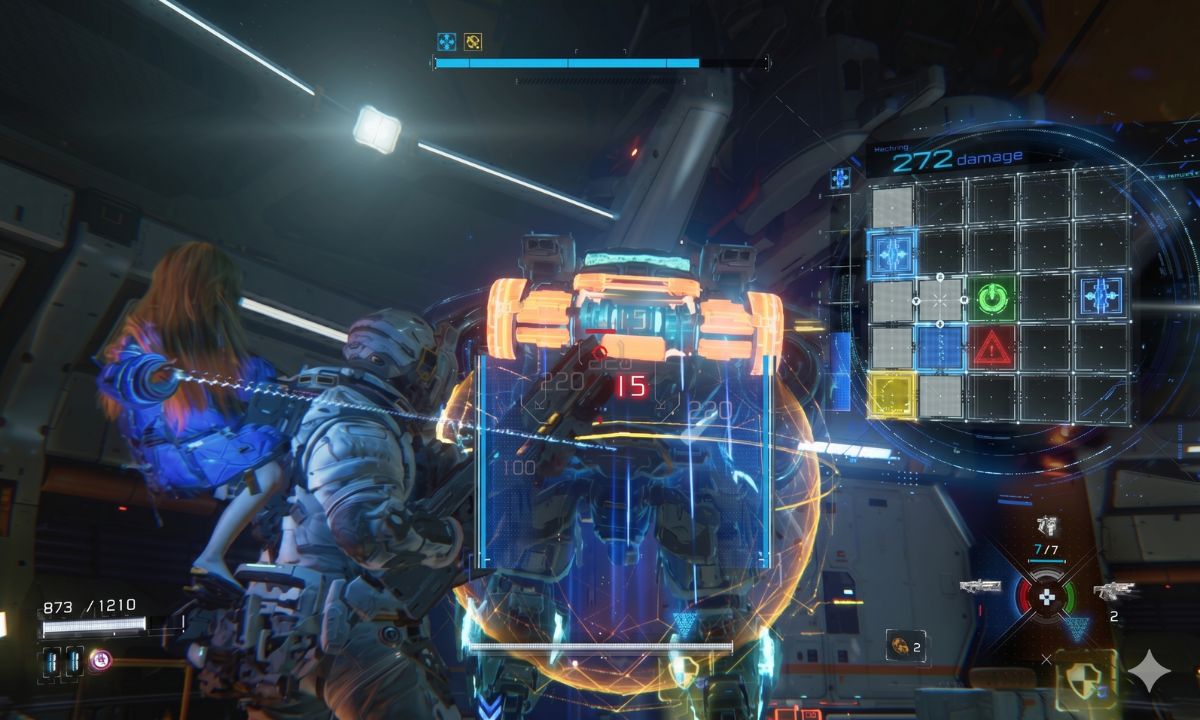
    The fight becomes more aggressive once the Sector Guard drops deeper into its health bar. PC Gamer says this is where the boss starts launching rockets telegraphed by red circles on the ground, and it is also the point where Diana’s Overdrive Protocol enters the loop. Overdrive fills through hacking, then briefly immobilizes the boss, opens weak points, and creates the best damage window in the encounter.

    This is the moment where a lot of attempts are won or thrown away. If you trigger Overdrive Protocol from a bad angle and spend the whole stun window trying to get behind the boss, you waste the best opening the fight gives you. If you use it while you are already ready to reach the back tank, you can take a huge chunk off the Sector Guard quickly.

    The control tool that makes the fight easier

    If you are still struggling to beat the Sector Guard in Pragmata, save Stasis Net for the moments when the fight starts slipping away from you. It is much stronger as a stabilizer than as an early comfort tool. Games.gg specifically recommends not wasting it too early and points out that aiming at the legs can also create stasis traps.

    That is a good example of how this fight works in general. It is not asking for a flashy solution. It is asking whether you can use a few strong tools at the right time instead of mashing everything as soon as the pressure rises.

    The mistakes that make the boss feel worse than it is

    Most failed attempts come down to the same bad habits:

    • shooting the front instead of the back tank
    • wasting Shockwave Gun ammo outside real openings
    • burning Stasis Net too early
    • panicking during missile pressure
    • treating hacking like a side mechanic instead of the core of the fight

    That is why the Sector Guard feels much harder before it clicks. The fight looks chaotic, but the solution is very strict and very repeatable.

    What you get for beating the Sector Guard

    When you finally beat the Sector Guard in Pragmata, you get your first Shelter License Key. That reward matters because it opens more features at the Shelter, including additional progression systems and upgrades. So this is not just the first boss. It is also the point where the game starts expanding the systems around you.

    The cleanest way to finish the fight

    If you want the shortest version, this is it: to beat the Sector Guard in Pragmata, hack first, get behind the boss, hit the orange tank, save Shockwave Gun for real punish windows, keep Stasis Net for pressure moments, and use Overdrive Protocol only when you can actually turn it into back damage. Once you stop brute-forcing the front of the boss and start respecting the loop, the fight becomes much more manageable.

  • Pragmata Boss Guide: How to Beat Every Main Boss

    Pragmata Boss Guide: How to Beat Every Main Boss

    If you’re looking for a Pragmata boss guide, the most important thing to know is that these fights are built around hacking first and damage second. Hugh’s weapons matter, but Diana’s hacks are what expose weak points, open real damage windows, and turn bosses from bullet sponges into readable encounters. That is true from SectorGuard all the way to the final boss. Official PlayStation coverage describes the game’s combat in those exact terms, and the current Pragmata boss guides all point in the same direction.

    The main story boss lineup that is currently well supported by walkthroughs, trophy coverage, and ending guides is SectorGuard, Creator, Garden Keeper, Luna Digger, Sentinel, and Eight. Some of those fights have much better public phase-by-phase coverage than others, so the early bosses are easier to break down precisely than the late-game ones. I’m not going to fake detail where the available reputable guides are thinner.

    How Pragmata Boss Fights Guide Work in Pragmata

    Bosses in Pragmata follow the same core rule as ordinary combat, just under more pressure. Hacking is what makes enemies truly vulnerable, opens weak spots, and creates the short windows where your strongest weapons actually matter. PC Gamer’s general guide says hacking massively increases damage and becomes even more important in boss fights, especially once Diana’s Overdrive Protocol enters the loop after the first main boss.

    The Shelter matters just as much as the fight itself. PlayStation’s Shelter overview says it is where you unlock and equip discovered weapons, improve Hugh and Diana, and use long-term systems like Cabin’s Stamp Club. In practical terms, that means boss fights are partly loadout checks. If you keep bringing generic gear into specific encounters, the game will punish you for it.

    What to do before any boss attempt

    Before any boss, make sure your Primary weapon is reliable, your Attack weapon fits the kind of opening the fight gives you, and your Tactical choice either helps hacking or buys breathing room. Current post-launch advice consistently leans toward Shockwave Gun as one of the safest early offensive investments, while hacking support stays central across the whole game.

    The other simple rule is resource discipline. Don’t blow good hacking support or limited-ammo burst on weak enemies right before a boss and then wonder why the fight feels impossible. The game is built around short, meaningful damage windows, not constant firing.

    Pragmata Boss Guide: SectorGuard

    Pragmata Grip sector guard

    SectorGuard is the first boss and the one that teaches the real shape of Pragmata’s combat. PC Gamer’s guide calls it a tutorial for Overdrive and the boss loop in general, and that’s exactly right. You need to keep hacking the boss to expose the canister on its back, then dump damage into that weak point instead of wasting ammo on low-value body shots.

    The best tools here are the ones that make those windows easier to exploit. Stasis Net helps pin the boss down, while Shockwave Gun is a clean way to cash in during close-range openings. Once SectorGuard reaches about half health, the fight gets more aggressive and introduces rockets telegraphed by red floor circles, while Diana’s Overdrive gives you the clearest damage window in the fight. If you are stuck, the fix is usually not more aggression. It is more disciplined hacking and better timing on your burst.

    Pragmata Boss Guide: Creator

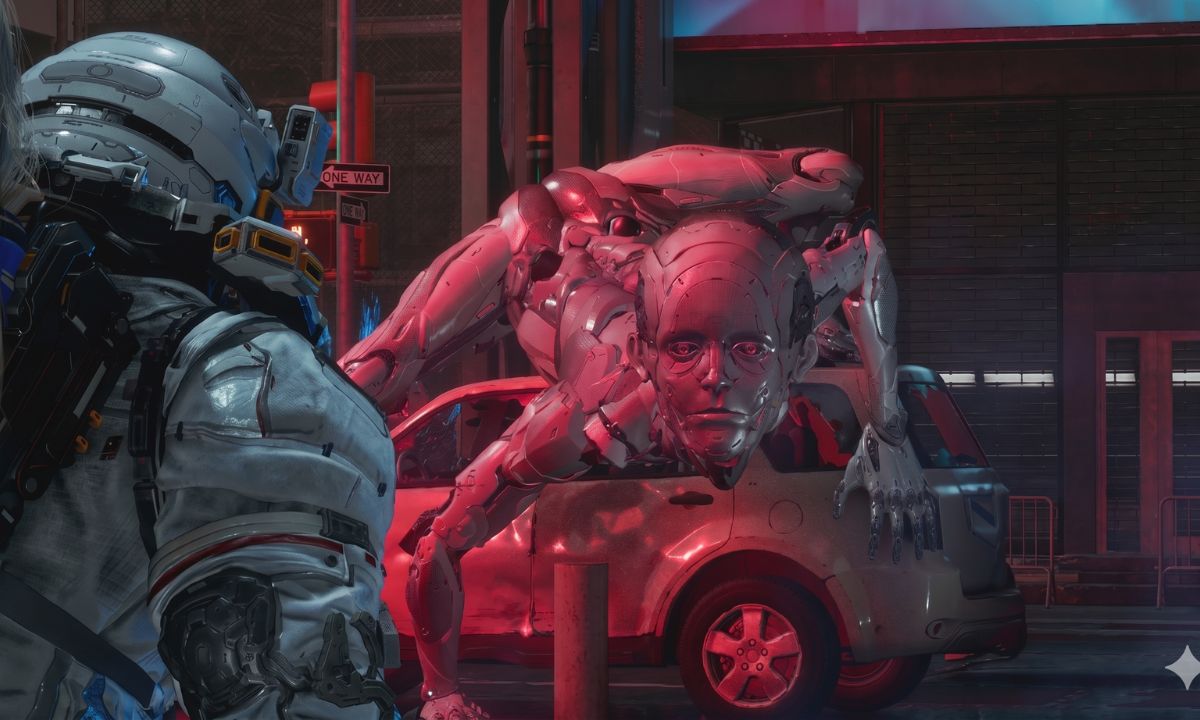
    Pragmata boss creator

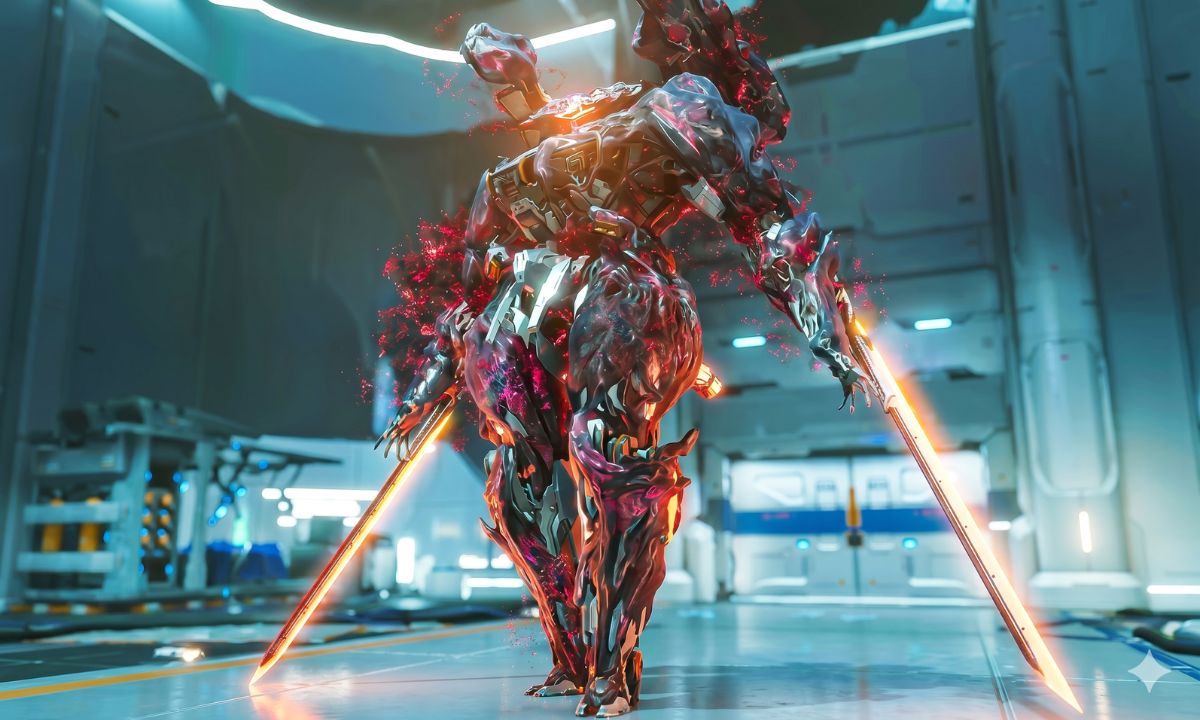
    Creator is the second major boss and the point where the game stops being forgiving. Current walkthrough coverage places it at the end of Mass Production Array, and the fight is built around layered attacks, disrupted hacking access, and stronger punishment for bad dodges.

    The important detail in the currently available strategy coverage is that dodging into certain attacks is often safer than backing away, because Hugh’s dodge invulnerability frames do more work than distance alone. Creator’s face is a consistent target for much of the fight, while stronger underside damage windows appear when the boss opens up. The fight also blocks off hacking access as it goes on, forcing you to destroy glowing sections to restore control. That makes Creator less about raw offense and more about protecting the hack cycle under pressure.

    Pragmata Boss Guide: Garden Keeper

    Garden Keeper

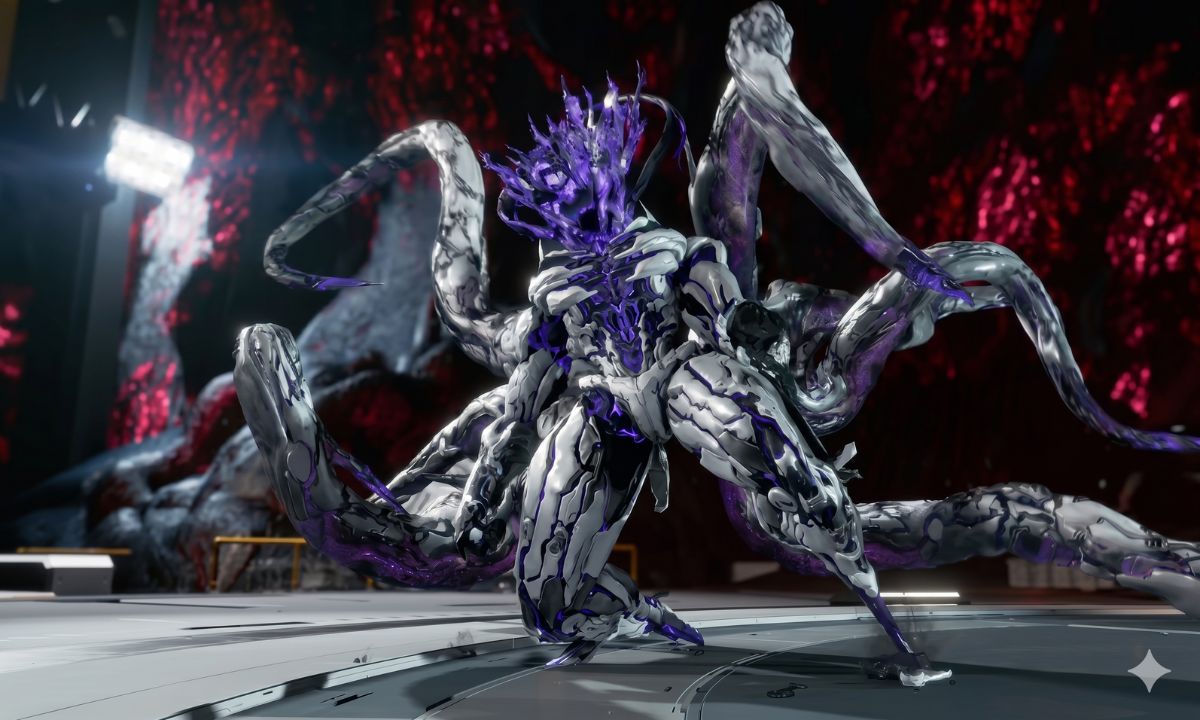
    Garden Keeper is the boss at the end of Terra Dome’s Terrarium section, and it is where Pragmata becomes much more hectic. TheGamer’s Terra Dome walkthrough identifies the encounter there, while Polygon’s Terra Dome walkthrough describes it as a large scorpion-like machine and one of the busiest fights in the game up to that point.

    Public strategy coverage on Garden Keeper is thinner than it is for SectorGuard or Luna Digger, but the consistent theme is patience. The boss becomes punishable when it commits, especially after late dodges around its grab-style pressure. So this is not a fight where you should force openings or burn ammo out of frustration. Wait for the reveal, dodge late, and punish only when the boss clearly gives you the room to do it.

    Pragmata Boss Guide: Luna Digger

    Pragmata boss Luna Digger

    Luna Digger is one of the best-documented fights so far and it behaves very differently from the earlier bosses. PC Gamer describes it as a giant mechanical worm that spends most of the encounter underground and gives you only brief, awkward punish windows. That changes what a best loadout looks like. Area comfort picks matter less. Short-window damage matters more.

    PC Gamer recommends Charge Piercer, Photon Laser, Sticky Bombs, Homing Missile, and useful hacking nodes like Heat or Drain, plus better Auto Hack support for Diana. In phase one, the mouth is the most practical damage target when the boss surfaces or charges. In phase two, the body opens up to damage as well, missiles start filling the arena, and mini-drones become both a threat and an opportunity because you can hack them and turn them back for major damage. Luna Digger is much easier once you stop trying to maximize every early opening and save your best output for the later phase.

    Pragmata Boss Guide: Sentinel

    Pragmata boss Sentinel

    Sentinel is the late-game boss tied to Central Port. PowerPyx’s trophy roadmap confirms defeating the Sentinel as an automatic story milestone, and Polygon’s Central Port walkthrough indicates that you must cleanse the Sentinel twice before you can hack it. That already tells you what kind of fight it is: a faster, more disruptive late-game boss that makes you earn hacking access instead of simply taking it.

    Public phase-by-phase coverage for Sentinel is thinner than it is for the earlier bosses, so the honest advice has to stay close to what is actually supported. The fight appears to revolve around repeated cleansing, then hacking, then punishing in a tighter late-game arena context. So the right prep is the same, just more demanding: bring dependable hacking support, don’t waste burst too early, and expect less room for sloppy movement.

    Pragmata Boss Guide: Eight

    Pragmata boss eight

    Eight is the final boss tied to the game’s ending route. TheGamer’s ending coverage identifies Eight as the last major confrontation before the normal ending, and its true-ending guide makes clear that cleared saves return you to the pre-final-boss state rather than treating that encounter like a one-and-done cutscene.

    The problem is that detailed public phase coverage for Eight is still thin compared with SectorGuard or Luna Digger. So the useful advice here is strategic, not fake-specific: bring the late-game tools that already proved themselves, prioritize hacking support that shortens exposure, and build around reliable burst for short windows instead of carrying a lazy all-purpose kit into the finale. If a site claims precise frame-perfect Eight tech right now without a good source trail, it is probably padding.

    What changes after the credits

    The boss guide does not really end at Eight if you care about completion. PC Gamer says finishing the main story unlocks Unknown Signal, while PowerPyx’s roadmap says full completion in that mode involves stronger versions of earlier bosses and then another endgame push. So post-game bossing is more about tougher rematches than an entirely separate story-boss chain.

    What every Pragmata boss is really testing

    The pattern is simple once you stop looking at the bosses as isolated set pieces. SectorGuard teaches the loop. Creatorstresses the loop. Garden Keeper punishes impatience. Luna Digger rewards timing. Sentinel asks whether you can still cleanse, hack, and punish under late-game pressure. Eight is the final check on everything the game has been teaching you. The bosses look different, but the underlying rule never changes: if you do not respect Diana’s side of the combat system, Hugh’s firepower will never be enough.

  • Pragmata All Weapons: Where to Find All 15 Weapons

    Pragmata All Weapons: Where to Find All 15 Weapons

    If you’re looking for all weapons in Pragmata, the important thing to know is that this game does not treat weapons like ordinary shooter pickups. Every new unlock changes how you approach combat, because only Primary weapons regenerate ammo and stay with you permanently. Everything else is temporary. Once an Attack, Tactical, or Defenseweapon runs dry, it breaks and disappears.

    That single rule is what makes weapon unlocks matter so much. In a normal action game, a weapon guide is mostly a checklist. In Pragmata, it is also a progression guide. Some weapons make the early campaign far more manageable. Some become much more valuable once hacking grids get busier and more punishing. Others are tucked behind Shelter systems that are easy to overlook if you treat the game like a straight run from mission to mission.

    This guide covers all 15 weapons in Pragmata, where to find them, which ones you should care about first, which ones are easiest to miss, and which tools make the biggest difference in bosses, crowded rooms, and late-game Red Zones.

    How weapons work in Pragmata

    Hugh’s best loadout is built around four categories:

    Weapon Type What It Does
    Primary Permanent weapon with self-recharging ammo
    Attack Limited-use damage weapon
    Tactical Limited-use control or hacking support weapon
    Defense Limited-use survival or space-making tool

    Your Primary weapon is the foundation of every loadout because it is always available. Your Attack, Tactical, and Defense weapons are more situational and more valuable per use, because they are disposable.

    As you progress, the Shelter becomes the center of that progression. It is where you unlock discovered weapons permanently, improve Hugh and Diana’s combat tools, and interact with systems like Cabin’s Stamp Club, which can reward you with weapons and other major upgrades. Later on, you can also unlock the ability to carry two Attack weapons and two Tactical weapons at once, which makes your loadout much more flexible.

    That is when the game really opens up. Early on, you are mostly choosing one answer per slot. Later, you can start pairing a general-use tool with a more specialized option.

    All 15 weapons in Pragmata and where to find them

    Here is the full weapon list and each unlock location:

    Weapon Type First Available
    Grip Gun Primary Starting weapon
    Pulse Carbine Primary Sector 3: Terra Dome, Plant Factory
    Shockwave Gun Attack Sector 1: Solar Panel Plants, Power Distribution Center
    Charge Piercer Attack Sector 2: Mass Production Array, Side Alley
    Photon Laser Attack Sector 3: Terra Dome, Soil Research
    Homing Missiles Attack Sector 4: Lunum Mines, Mine Entrance
    Jackhammer Attack Complete the game
    Stasis Net Tactical Sector 1: Solar Panel Plants, Power Distribution Center
    Riot Blaster Tactical Sector 2: Mass Production Array, Shopping District
    Sticky Bombs Tactical Sector 3: Terra Dome, Eco Modeling Lab
    Code Generator Tactical Specialist Stamp Board, triple bingo
    Hacking Mines Tactical Director Stamp Board, triple bingo
    Decoy Generator Defense Sector 2: Mass Production Array, Lim Recycling Facility
    Impact Barrier Defense Sector 4: Lunum Mines, Crane Operation Yard
    Drone Hive Defense Associate Stamp Board, triple bingo

    That list already highlights one of the game’s most important patterns. Most weapons come through normal sector progression, but Code Generator, Hacking Mines, and Drone Hive are tied to Cabin’s Stamp Club, while Jackhammer sits behind game completion. So if you ignore the Shelter’s long-term reward systems, you can finish the campaign without ever collecting the full arsenal.

    Best weapons to prioritize first

    Not every weapon matters equally when you get it. Some unlocks change the game immediately, while others only become valuable in more specific situations.

    Shockwave Gun
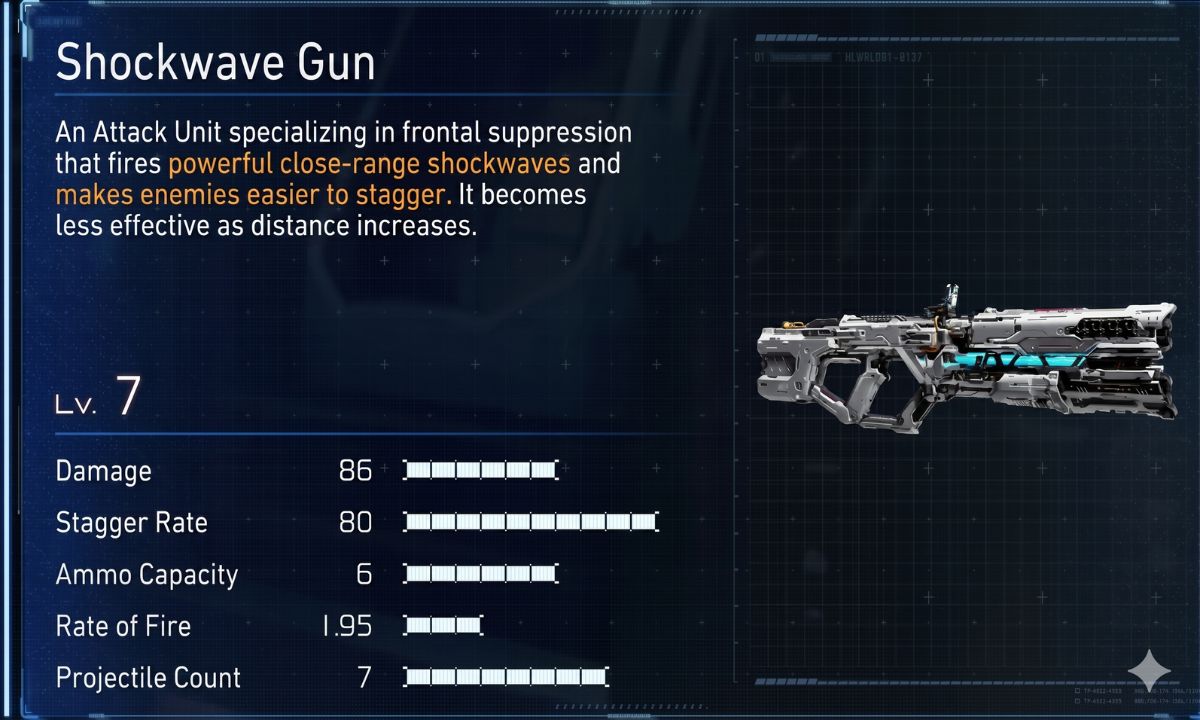
    Pragmata Shockwave Gun

    The first weapon most players should care about is the Shockwave Gun. It arrives early, hits hard, staggers reliably, and remains useful long after more options start opening up. It is simple, effective, and works in both standard encounters and boss damage windows.

    More importantly, it solves a real early-game problem: limited offensive power under pressure. When the game is still teaching you how to manage movement, hacking, and enemy timing at once, a weapon that gives you strong, immediate payoff matters a lot.

    Stasis Net
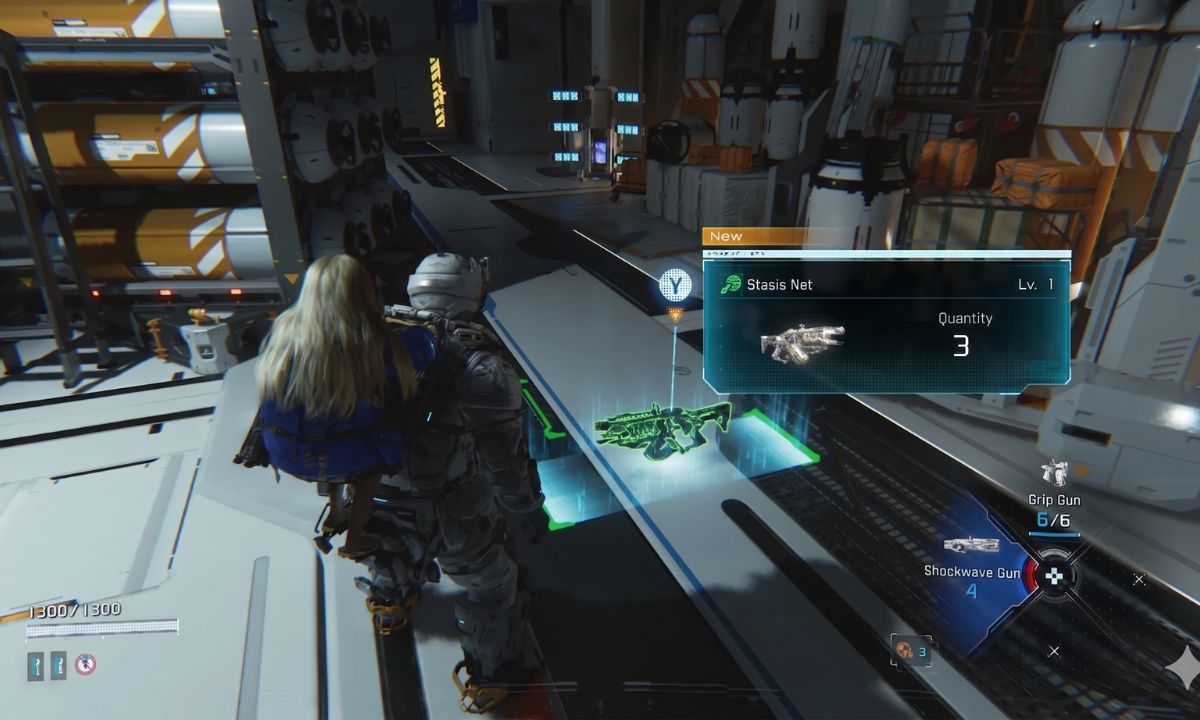
    Pragmata Stasis Net

    The Stasis Net is the other early standout. It is not flashy, but it makes the game safer. Freezing one enemy while you deal with another gives you breathing room when fights are getting messy, and that kind of control is worth more than raw damage in many early encounters.

    Grip Gun and Pulse Carbine
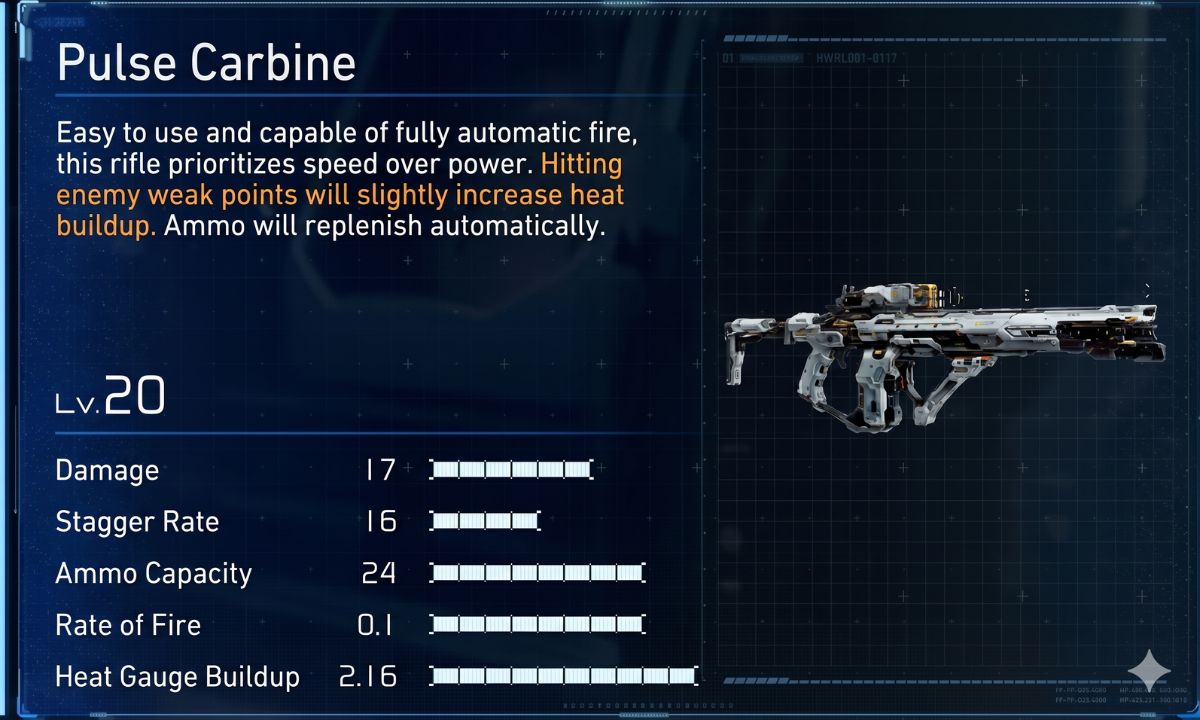
    Pragmata Grip Gun and Pulse Carbine

    Your Grip Gun matters because it never leaves your loadout. That alone makes it a sensible place to invest some upgrade resources. Later, the Pulse Carbine becomes a meaningful second Primary option once you reach Sector 3, especially if you prefer sustained fire over the Grip Gun’s simpler pace.

    That said, do not dump everything into Primary upgrades and neglect the rest of your kit. The best approach is balance. Your Primary weapon is your constant fallback, but hacking support, health, and situational weapons often make a bigger difference in whether you survive difficult encounters.

    The best early priorities overall

    For most players, the best first priorities are:

    • Shockwave Gun, because it is strong, early, and easy to use well
    • Stasis Net, because it immediately lowers combat pressure
    • Hacking support, because hacking is central to how you open enemies up
    • Health and survivability, because Pragmata punishes sloppy defensive play

    Which weapons are easiest to miss

    Some weapons are harder to miss than others. The ones tied to story progression usually show up naturally if you explore properly. The weapons most players are likely to miss or delay are the ones hidden behind side systems or post-game progression.

    Code Generator, Hacking Mines, and Drone Hive

    These are the three most obvious missable weapons because they are tied to Cabin’s Stamp Club, not normal mission pickups.

    That matters for two reasons. First, Cabin Coins are limited, so poor choices on Stamp Boards can slow your access to better rewards. Second, some board rewards are hidden until you reveal them, which makes it easy to spend carelessly if you are not paying attention.

    If you treat the Shelter like downtime between missions instead of part of the progression loop, these are the weapons you are most likely to miss.

    Jackhammer

    The fourth easy-to-miss weapon is Jackhammer, but for a different reason. It is not hidden in a sector or tucked behind a side route. It is a post-game unlock, which means first-run players should not waste time searching for it during the campaign.

    Why this matters

    The broader point is that Pragmata does not put every important reward directly in front of you. Some of the best or rarest weapons are tied to long-term Shelter engagement, not just exploration. If your goal is to complete the arsenal, you need to pay attention to both mission progress and Cabin’s reward systems.

    Best weapons by situation

    The best weapon in Pragmata depends on the problem you are trying to solve. A strong all-purpose loadout is useful, but the game is better understood as a series of combat situations that reward different tools.

    Best weapons for a standard first playthrough

    For a first run, the safest general setup is built around:

    • Grip Gun or Pulse Carbine
    • Shockwave Gun
    • Stasis Net
    • Decoy Generator

    Later, Sticky Bombs become worth rotating into that setup once Sector 3 opens up.

    This is a good first-playthrough core because it covers the basics without overcomplicating things. Your Primary gives you constant damage. Shockwave Gun gives you strong burst. Stasis Net helps control the room. Decoy Generator buys you time when things start collapsing.

    That combination is not the only workable loadout, but it is one of the easiest to trust through most of the campaign.

    Best weapons for bosses

    Boss fights change the rules. You get fewer clean damage windows, and every wasted shot hurts more.

    Charge Piercer

    The Charge Piercer becomes much more valuable in boss fights than in ordinary room clearing. It works well in narrow attack windows and rewards patience more than panic. If a boss forces you to wait for the right moment to punish, Charge Piercer fits that rhythm better than many other Attack weapons.

    Sticky Bombs

    Sticky Bombs matter in boss fights because their real value is not direct damage. They help simplify hacking grids, which reduces how long you stay exposed while trying to make the boss vulnerable. In fights where pressure never really stops, that can be a huge difference-maker.

    Homing Missiles

    Homing Missiles are not a universal answer, but they become practical when a boss is highly mobile or spends a lot of time airborne. In those situations, they remove some of the frustration that comes from trying to manually track hard-to-hit targets.

    Best weapons for crowd control

    When a room fills up with enemies, the priority shifts away from perfect single-target damage and toward keeping the fight under control.

    Stasis Net

    The Stasis Net remains one of the cleanest crowd-control tools in the game. Freeze one target, deal with another, then circle back before the window closes. It is a straightforward loop, but it works.

    Riot Blaster

    Once you unlock the second Tactical slot, Riot Blaster becomes more interesting. It is not as universally useful as Stasis Net, but it helps in situations where enemies cluster tightly enough that single-target tools start to feel inefficient.

    Best weapons for late-game and Red Zones

    Late-game encounters and Red Zones ask more from your loadout because they combine tighter margins, stronger enemies, and more punishment for mistakes.

    Code Generator

    Code Generator becomes a serious late-game tool because it improves hacking performance rather than just raw damage. In difficult rooms, that can be more important than another offensive option. It is one of the clearest examples of a weapon whose value grows with the game’s complexity.

    Sticky Bombs

    Sticky Bombs age very well into the late game because enemy hacking grids become more cluttered and more punishing. Anything that makes those grids cleaner becomes more valuable as the campaign goes on.

    Photon Laser and Charge Piercer

    Once your second Attack slot is open, Photon Laser and Charge Piercer make strong situational pairings. Photon Laser helps at range, while Charge Piercer remains useful when you want high burst in tight windows.

    Stamp Board weapons explained clearly

    Cabin’s Stamp Club is easy to underestimate because it initially looks like a side activity. It is not. It is one of the game’s most important long-term progression systems.

    The basic structure is simple. You earn Cabin Coins, spend them on bingo-style boards in the Shelter, and unlock rewards as you fill in rows and hit bingo milestones. Some of those rewards are cosmetic or utility-based, but some are major combat tools.

    For weapons, the key Stamp Board rewards are:

    • Drone Hive — Associate Board, triple bingo
    • Code Generator — Specialist Board, triple bingo
    • Hacking Mines — Director Board, triple bingo

    That means two things.

    First, if you ignore Stamp Boards, you are not just ignoring side content. You are skipping real combat options.

    Second, because Cabin Coins are limited and many rewards are hidden until revealed, you should not spend carelessly. The Stamp Club is part of combat progression, not just collectible padding.

    The most important takeaway

    If there is one thing worth remembering, it is this: Pragmata is not really about collecting a giant pile of weapons and calling it a day. It is about understanding why each weapon exists and what problem it helps solve.

    For most players, the best early priorities are Shockwave Gun, Stasis Net, and balanced upgrades to hacking, health, and your Primary weapon. The easiest weapons to miss are the three hidden behind Cabin’s Stamp Club, plus the post-game Jackhammer. The safest first-playthrough setup revolves around Shockwave Gun, Stasis Net or Sticky Bombs, and Decoy Generator, while Charge Piercer, Homing Missiles, and Code Generator become more valuable when bosses or late-game challenge rooms demand more specialized answers.

    That is what makes the arsenal in Pragmata interesting. The full weapon list is not just there for completionists. It maps the game’s learning curve: early survival, cleaner control, stronger hacking support, and finally late-game tools that reward players who actually engage with the Shelter instead of treating it like dead time.
  • Pragmata Best Loadout Guide: Best Weapons for Early Game, Bosses, and Red Zones

    Pragmata Best Loadout Guide: Best Weapons for Early Game, Bosses, and Red Zones

    If you are looking for the Pragmata best loadout, the right answer depends on the kind of fight you are preparing for. Pragmata gives you 15 weapons spread across four slots, but they do not all follow the same rule. Your Primary weapons regenerate ammo and stay with you permanently. Everything else is disposable. Once an Attack, Tactical, or Defense weapon runs dry, it is gone.

    That changes how you should think about loadouts. This is not really a game about hoarding the “best” gun and using it everywhere. It is about building a setup that covers different situations, then knowing when a limited-use weapon is worth spending.

    This guide breaks down:

    • a dependable all-purpose loadout for most of the campaign,
    • better picks for bosses and crowded rooms,
    • stronger options for late-game Red Zones,
    • and a full list of all 15 weapons with their unlock locations.

    How loadouts work

    Your loadout is divided into four categories:

    Slot What it does
    Primary Permanent weapon with self-recharging ammo
    Attack Limited-use damage weapon
    Tactical Limited-use control/support weapon
    Defense Limited-use protection/distraction tool

    At the start of the game, you can equip one weapon in each slot. Later on, you unlock the ability to carry two Attack weapons and two Tactical weapons at the same time, which gives you much more flexibility.

    Before each sector, you choose your starting setup at the Shelter. During missions, enemies can also drop replacements for weapons you have already burned through.

    Best general-use loadout

    Pragmata Best Loadouts Explained

    This is a safe, flexible setup for a normal playthrough. It is not the only viable build, but it works well across most of the campaign without depending on post-game weapons or Stamp Board rewards.

    Slot Recommended pick
    Primary Grip Gun early, then Pulse Carbine once unlocked
    Attack Shockwave Gun
    Tactical Stasis Net early, Sticky Bombs later
    Defense Decoy Generator

    Primary slot: Grip Gun early, Pulse Carbine later

    The Grip Gun is your starting Primary and the weapon you will use more than anything else simply because it never leaves your loadout. That makes it a smart place to invest early upgrade resources, although you still need to balance that against suit and hacking upgrades depending on your playstyle.

    Its main limitation is heat. If you hold the trigger too long, it overheats and forces a short cooldown. The simple way to handle that is to fire until heat becomes an issue, swap briefly to an Attack weapon, then return once the Grip Gun recovers.

    Later, in Sector 3, you unlock the Pulse Carbine as a second Primary option. It leans more toward sustained fire, making it better suited to longer engagements in the back half of the game. The downside is recoil — it pulls left enough to matter, especially when you are also trying to manage Diana’s hacking grid. Even so, it is usually the more comfortable late-game Primary once you get used to it.
    Attack slot: Shockwave Gun for consistency

    For most players, the Shockwave Gun is the safest all-purpose Attack choice. It hits hard, staggers reliably, and does not ask much from you beyond getting into range and timing your shots well.

    It fires slowly, but that is less of a problem than it sounds because you can swap away from it during its recharge window. Where it really pays off is in short damage opportunities — especially after Diana has already exposed an enemy and you want to cash in quickly.

    The main thing to watch is ammo efficiency. It does not give you many shots, so it works best when you treat it like a finisher rather than a panic button.

    Tactical slot: Stasis Net first, Sticky Bombs later

    The Stasis Net is the more useful Tactical weapon in the early game because it solves the immediate problem most players face: pressure. Freezing one enemy while you hack, shoot, or reposition around another makes chaotic rooms much easier to control. Once upgraded a bit, it also becomes much more reliable against moving targets.

    When you reach Sector 3, Sticky Bombs become available and start to take over more of the work. They do not deal much direct damage, but that is not the point. Their real value is that they simplify enemy hacking grids by reducing clutter and cutting down the time you spend exposed.

    That makes Sticky Bombs stronger as the campaign gets harder and the hacking sections become messier. Even then, they do not make the Stasis Net obsolete. If you have both Tactical slots unlocked, carrying both is often the most practical solution.

    Defense slot: Decoy Generator

    The Decoy Generator is simple, but that simplicity is exactly why it works. It throws out a hologram that draws enemy attention, giving you a few seconds to breathe, reposition, or finish a hack without being swarmed.

    That becomes especially useful in Red Zones, where the game stacks movement, enemy pressure, and hacking demands on top of each other. It also performs well without needing much upgrade investment, which is helpful if your resources are already being pulled elsewhere.

    Best alternatives by situation

    Best weapons for bosses

    Boss fights change the rules a bit. You get fewer clean damage windows, and wasting ammo hurts more.

    Charge Piercer

    The Charge Piercer is one of the better boss-focused Attack options because it delivers strong burst damage in a short opening. It takes longer to charge than the Shockwave Gun, especially at first, but upgrades improve that noticeably. If you are playing around boss patterns and only getting brief chances to hit back, it tends to fit that rhythm well.

    Sticky Bombs

    Sticky Bombs remain strong in boss encounters for the same reason they work elsewhere: faster, cleaner hacking. That matters even more when the target keeps attacking while you are trying to work through the grid.

    Homing Missiles

    If a boss moves constantly or spends time airborne, Homing Missiles become worth considering. They are not a universal pick, but lock-on can save a lot of frustration in fights where raw aim is the real problem.

    Best picks for crowd control

    When the room fills up, your problem is no longer single-target damage. It is space management.

    Stasis Net

    For most of the game, Stasis Net is still the cleanest answer. Freezing one enemy while dealing with another gives you breathing room without forcing you to sacrifice your Attack slot.

    Riot Blaster

    Once you unlock your second Tactical slot, Riot Blaster becomes worth keeping in mind for rooms where enemies cluster tightly. It is more situational than Stasis Net or Sticky Bombs, but it can help when single-target tools start to feel too slow.

    Best late-game and Red Zone tools

    Red Zones are where the game asks the most from your loadout. By this stage, most players will likely have their extra Attack and Tactical slots available, which gives you room to specialise more.

    Code Generator

    The Code Generator is one of the strongest late-game Tactical options if you are willing to work for it through the Specialist Stamp Board. It does not deal direct damage, but it improves hacking damage, clears error nodes, and creates OPEN nodes that keep enemies vulnerable longer. In difficult late-game rooms, that kind of support can matter more than raw firepower.

    Photon Laser

    The Photon Laser is a reasonable second Attack weapon for long-range pressure. It does not replace Shockwave Gun or Charge Piercer as a general first choice, but it fills a useful gap when burst weapons are not the cleanest answer.

    Full weapon list and unlock locations

    Weapon Slot First available
    Grip Gun Primary Starting weapon
    Pulse Carbine Primary Sector 3: Terra Dome, Plant Factory
    Shockwave Gun Attack Sector 1: Solar Panel Plants, Power Distribution Center
    Charge Piercer Attack Sector 2: Mass Production Array, Side Alley
    Photon Laser Attack Sector 3: Terra Dome, Soil Research
    Homing Missiles Attack Sector 4: Lunum Mines, Mine Entrance
    Jackhammer Attack Complete the game
    Stasis Net Tactical Sector 1: Solar Panel Plants, Power Distribution Center
    Riot Blaster Tactical Sector 2: Mass Production Array, Shopping District
    Sticky Bombs Tactical Sector 3: Terra Dome, Eco Modeling Lab
    Code Generator Tactical Specialist Stamp Board, triple bingo
    Hacking Mines Tactical Director’s Stamp Board, triple bingo
    Decoy Generator Defense Sector 2: Mass Production Array, Lim Recycling Facility
    Impact Barrier Defense Sector 4: Lunum Mines, Crane Operation Yard
    Drone Hive Defense Associate Stamp Board, triple bingo

    A few best weapons sit outside the normal progression path. Jackhammer is a post-game unlock, so it does not matter for a standard first run. Code Generator, Hacking Mines, and Drone Hive come from Cabin’s Stamp Boards rather than regular level pickups, so check those boards between sectors if you want to unlock them efficiently.

    If you want the simplest takeaway, it is this: start with Grip Gun + Shockwave Gun + Stasis Net + Decoy Generator, then fold in Pulse Carbine and Sticky Bombs as the campaign opens up. From there, tailor the rest of your setup to the kind of fights you are struggling with most.

  • Assassin’s Creed: Black Flag Resynced Reportedly Gets Release Date

    Assassin’s Creed: Black Flag Resynced Reportedly Gets Release Date

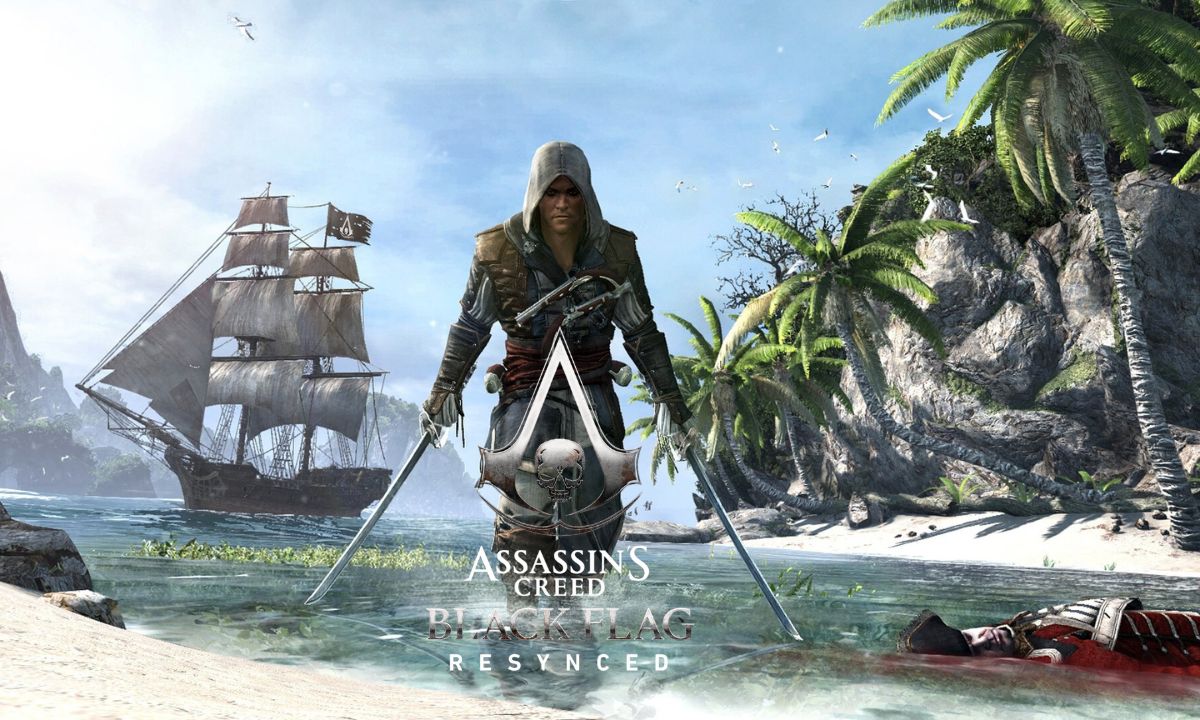
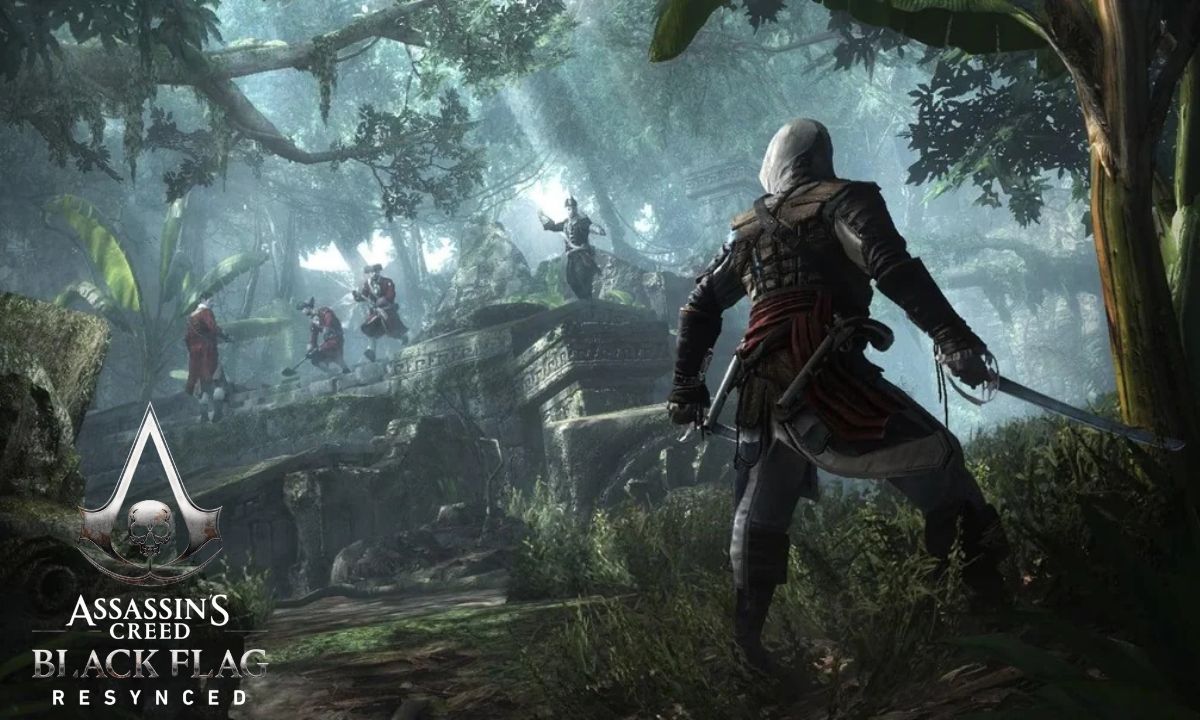
    Edward Kenway’s return to the Caribbean may now have a launch window. Insider Gaming reports that Assassin’s Creed: Black Flag Resynced is set to release on July 9, 2026, following a private media showcase held on April 16. According to the report, Ubisoft had planned to publicly unveil the game that same day before pushing the announcement back by a week at the last minute. Ubisoft has not officially confirmed the date through its own channels.

    Insider Gaming says the July 9 date was shared during a roughly 30-minute closed-door presentation for select journalists and content creators. That report lines up with wider coverage pointing to a delayed public reveal rather than an official launch-date announcement from Ubisoft itself. For now, the July release window should be treated as strongly reported, not formally confirmed.

    Adding weight to the report, a listing for Black Flag Resynced briefly appeared on the Ubisoft Connect launcher before being pulled. Insider Gaming reported that the image showed Edward Kenway in a new black-and-gold outfit against a battered ship, stormy skies, and a burning pirate flag, alongside wording that mentioned day-one availability through Ubisoft+ Premium.

    Assassin's Creed: Black Flag Resynced

    One of the more notable details from the presentation is Ubisoft’s reported approach to the remake. According to Insider Gaming, the company positioned Black Flag Resynced as a solo, character-driven adventure rather than a loot-heavy RPG. That would place it closer in spirit to the 2013 original, even as it introduces modern visual and gameplay upgrades.

    The project has been building toward this moment for months. Ubisoft’s March 4 Assassin’s Creed: Into 2026 update stopped short of naming the game outright, but it included a clear nautical tease from franchise Head of Content Jean Guesdon, telling fans to “keep your spyglass on the horizon.” That followed earlier comments from Ubisoft CEO Yves Guillemot, who said the publisher was working on remakes of older Assassin’s Creed titles.

    Recent leaks have also suggested this is more than a simple visual remaster. Insider Gaming previously reported that an Indonesian ratings-board listing described Black Flag Resynced as featuring new characters and stories while remaining faithful to the original experience. Ubisoft, however, has not officially detailed those changes yet.

    For now, Ubisoft’s full reveal is still expected next week. Until then, the reported July 9 release date, launcher listing, and fresh wave of leaks all point to the long-rumored remake finally nearing port — even if the publisher has not raised the flag just yet.

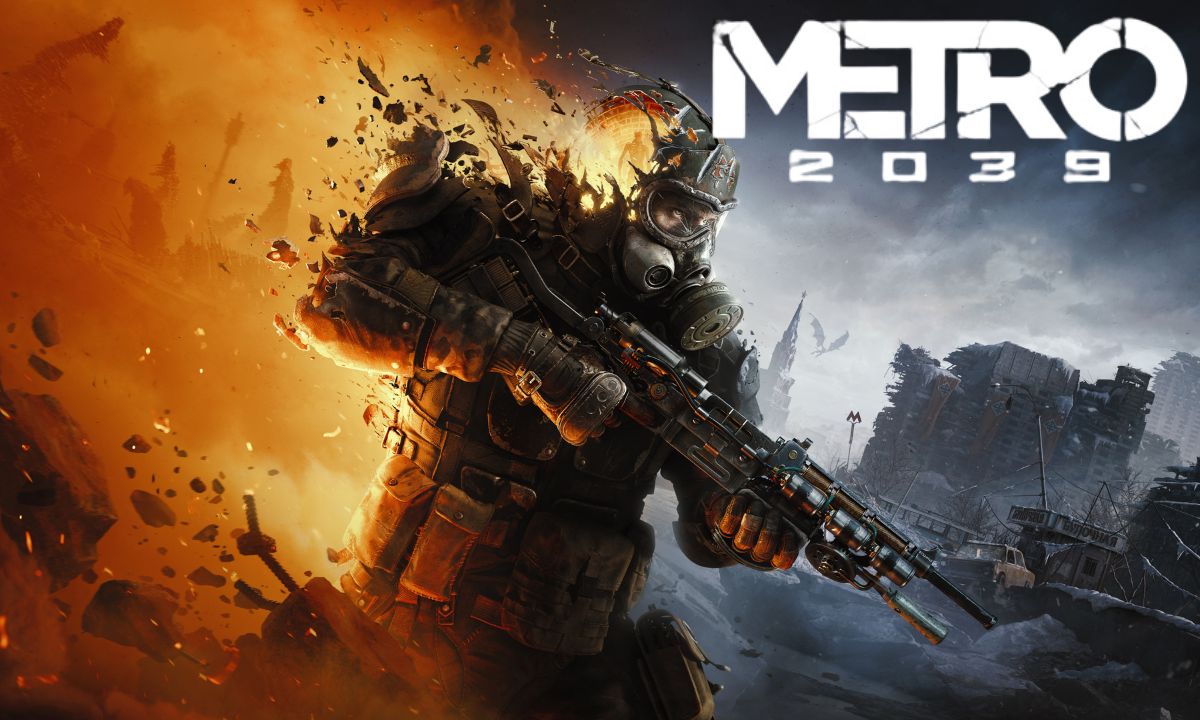
  • Metro 2039 Revealed, Launches Winter 2026

    Metro 2039 Revealed, Launches Winter 2026

    Seven years after Metro Exodus, 4A Games and Deep Silver have fully revealed the next mainline Metro game. Metro 2039, the fourth mainline entry in the post-apocalyptic first-person shooter series, was unveiled on April 16, 2026, during a digital-only “Xbox First Look” broadcast, which featured a cinematic reveal trailer, developer interviews, and a first look at gameplay.

    Metro 2039 is scheduled to launch in Winter 2026. According to the official Deep Silver website, the game will launch simultaneously on PlayStation 5, Xbox Series X|S, and PC via Steam, Epic Games Store, and Xbox on PC.

    Setting and Story of Metro 2039

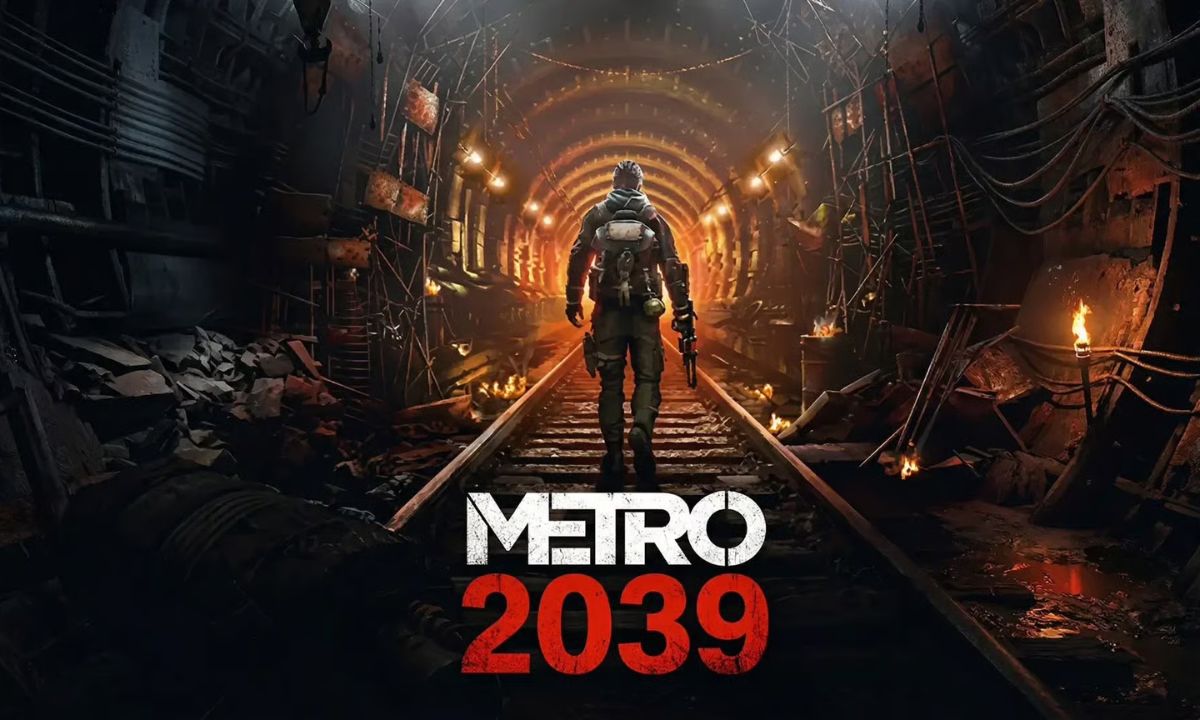
    Metro 2039 is set in post-apocalyptic Moscow in the year 2039 and returns the series to the tunnels beneath the city. For a quarter century, survivors of a nuclear war have been locked in bitter conflict deep within the Metro tunnels beneath the poisoned city.

    In this new entry, the many independent factions that once populated the tunnels have been united under a single authoritarian regime known as the Novoreich, led by a returning character from the series: Hunter, now cast as a fascist dictator. The regime rules through propaganda and fear, subjugating the population in the name of a renewed war against a mysterious surface enemy.

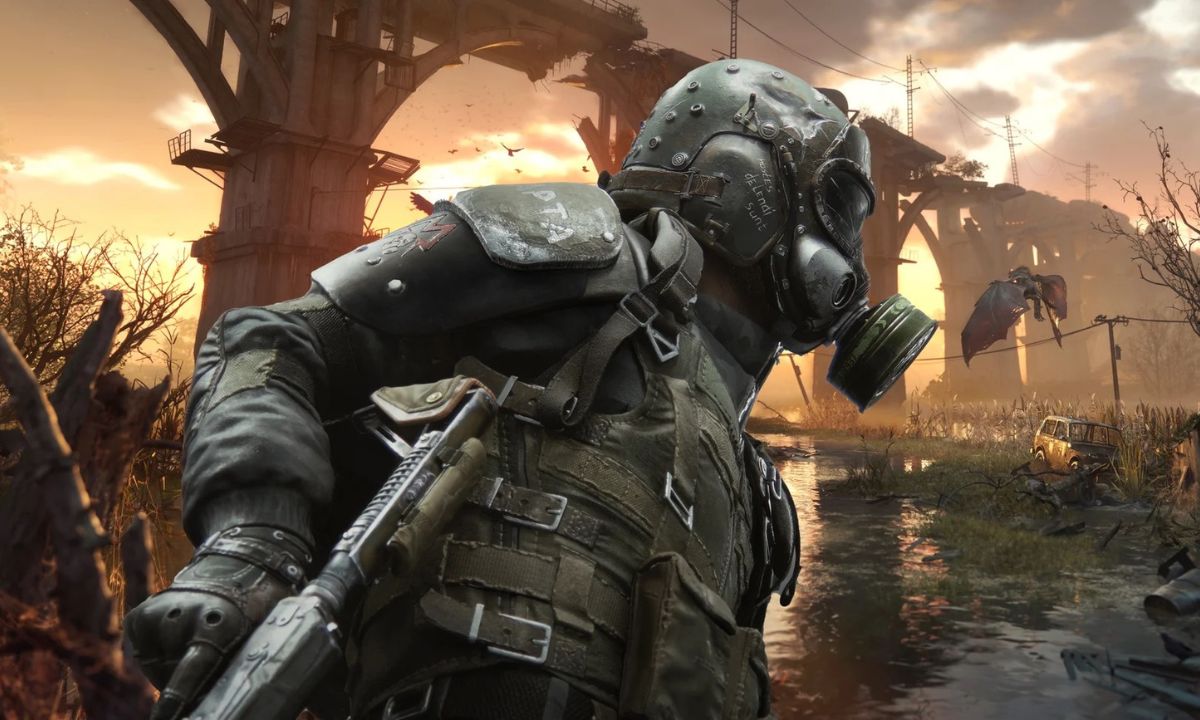
    Players will take on the role of a new protagonist known as “The Stranger,” a reclusive figure haunted by violent waking nightmares who is drawn out of exile and forced to undertake a harrowing journey into the shattered ruins of Moscow. In a first for the mainline Metro games, The Stranger will be a fully voiced protagonist, departing from the silent-hero approach of previous entries.

    A New Story Written with Dmitry Glukhovsky

    Metro 2039

    Metro 2039 features an original story created by 4A Games in collaboration with Dmitry Glukhovsky, the author of the best-selling Metro book series on which the games are based. According to Deep Silver, the story is not an adaptation of a specific novel but is inspired directly by the world Glukhovsky created.

    Glukhovsky has stated that Metro 2039 will be “darker than anything you’ve seen before” in the series. His involvement comes during a difficult period for the author, who, as confirmed on the PlayStation Blog, is currently living in exile from Russia after being sentenced to eight years in prison in absentia for publicly criticising the invasion of Ukraine.

    A Game Shaped by War

    4A Games has been open about how the Russian invasion of Ukraine has directly influenced the development of Metro 2039. The studio was founded in Kyiv in 2005 and remains majority Ukrainian, with team members now spanning more than 25 nationalities and working primarily from offices in Kyiv and Malta.

    In official communications, the studio confirmed that many team members have had to shelter from drone strikes and rely on batteries and generators to complete their work during development. The studio has said the experience of the ongoing war has fundamentally shaped the story of the game, with a stronger focus on themes of choice, consequence, and the cost of securing a future.

    Gameplay and Visual Direction

    Metro 2039

    According to Creative Director Andriy “mLs” Shevchenko, Metro 2039 returns to the series’ roots by going “back to the tunnels and leaning into what makes Metro, Metro.” After the more open spaces explored in Metro Exodus, the new game focuses once again on the claustrophobic atmosphere, psychological horror, and handcrafted level design the series is known for.

    A key design concept introduced by the team is what they call “frozen stories,” an approach to environmental storytelling in which each area is carefully staged with items, bodies, and props to allow players to piece together micro-narratives as they explore.

    Executive Producer Jon Bloch described the approach in the Xbox Wire recap: “Nothing is prefabricated – everything is unique and grounded. When you walk into a room, it’s clear that a person lived there. You can feel what they were doing right before they left or died.”

    The gameplay tease shown during the presentation included:

    • A ruined Metro station setting
    • Familiar handcrafted weapons and the series’ signature wristwatch HUD
    • A combat encounter with returning mutants called Nosalises
    • Signs of resource and weapon maintenance mechanics, including a weapon misfire

    Built on 4A Games’ Custom Engine

    Like all previous entries in the series, Metro 2039 is being built using 4A Games’ proprietary custom engine. The studio has stated that it is rebuilding its implementation of ray tracing for this entry, with the aim of delivering a more tuned and performant experience while maintaining the visual quality the series is known for.

    Platform Availability for Metro 2039

    Based on the official Deep Silver product page, Metro 2039 is confirmed for:

    • PlayStation 5
    • Xbox Series X|S
    • PC via Steam
    • PC via Epic Games Store
    • PC via Xbox on PC (including Microsoft Store)

    A Nintendo Switch 2 version has not been announced.

    Release Summary of Metro 2039

    • Title: Metro 2039
    • Developer: 4A Games
    • Publisher: Deep Silver
    • Platforms: PS5, Xbox Series X|S, PC (Steam, Epic Games Store, Xbox on PC)
    • Release Window: Winter 2026
    • Protagonist: “The Stranger” (fully voiced)
    • Story collaborator: Dmitry Glukhovsky

    A specific release date has not yet been announced. More details on gameplay, story, and the final launch date are expected throughout the year as 4A Games and Deep Silver continue their marketing campaign. For fans of the series, the long wait since Metro Exodus in 2019 is finally coming to an end, with a return to the tunnels that defined the franchise.

  • Total Chaos Comes to Nintendo Switch 2 on April 29

    Total Chaos Comes to Nintendo Switch 2 on April 29

    The acclaimed psychological survival horror game Total Chaos is officially making its way to the Nintendo Switch 2. Publisher Apogee Entertainment, developer Sam Prebble of Trigger Happy Interactive, and Atari’s publishing label Infogrames have confirmed that the game will launch on Nintendo’s new console on April 29, 2026.

    The announcement was revealed alongside a brand-new trailer showcasing how the horror title looks and performs on the Switch 2 hardware. The game will be available as a digital download on the Nintendo eShop at a price of $24.99, with pre-orders already live in North America at a limited-time discounted rate of $22.49. Other regions are set to follow in the days after the North American launch.

    From a Doom 2 Mod to a Standalone Horror Experience

    The story behind Total Chaos is as compelling as the game itself. The project began life as a total conversion mod for the classic 1994 shooter Doom II, created single-handedly by New Zealand-based developer Sam Prebble, who was then known in the modding community as “Wadaholic.” The mod, first released in its complete form on October 30, 2018, drew significant attention for trading Doom’s colorful sprites and hellish demons for 3D models, genuine atmospheric dread, and a serious attempt at psychological horror.

    The mod was so well received that it won a 2018 Cacoward, one of the most respected honors in the Doom modding community. Following the success of Prebble’s first commercial release, Turbo Overkill, he returned to Total Chaos with the goal of reimagining it as a full standalone game using Unreal Engine 5. That version originally launched on November 20, 2025, for PlayStation 5, Xbox Series X|S, and PC (via Steam, Epic Games Store, GOG, and the Microsoft Store).

    Nintendo Switch 2 Version: Technical Details

    Total Chaos Nintendo Switch 2

    The Nintendo Switch 2 release of Total Chaos is designed to take advantage of the new hardware. Confirmed specifications include:

    • Resolution: 1080p in docked mode and 720p in handheld mode
    • Frame rate: Selectable performance and unlocked-framerate modes targeting 60 frames per second
    • Controls: Full support for the new Joy-Con 2 mouse functionality and gyro aiming
    • Content: The Switch 2 version launches with the latest announced content updates, including the New Game+ update

    The inclusion of Joy-Con 2 mouse and gyro controls could make this version particularly appealing to horror fans who want a more precise aiming experience without being tied to a traditional setup.

    New Game+ Update Included at Launch

    One of the biggest additions for Switch 2 players is that the game will launch with the recently released New Game+ update already included. This ensures Switch 2 owners will receive the most up-to-date version of the game at launch. The New Game+ mode adds:

    • An alternate ending
    • New death animations
    • Previously unexplored locations
    • Expanded story content
    • A new persistent stalker enemy type called “The Hunter” who tracks the player throughout subsequent playthroughs

    These additions are designed to increase both tension and replayability for returning players and newcomers alike.

    Original Soundtrack by Akira Yamaoka

    One of Total Chaos’s most notable features is its haunting original soundtrack. The game’s theme and end-credits track were composed by Akira Yamaoka, the legendary composer best known for his work on the Silent Hill series. Yamaoka is joined by the original Total Chaos mod composers Jason Dagenet and William Braddell, along with Apogee’s in-house music team of Chipper Hammond, Tim Stoney, and Mathieu Hallouin. Together, they have crafted an ambient, unsettling soundscape that complements the game’s oppressive atmosphere.

    Core Gameplay Features

    Total Chaos blends hallmarks of classic and modern survival horror with the level design sensibilities of early 1990s shooters. Key gameplay elements include:

    Immersive atmosphere across the nine chapters of Fort Oasis
    Environmental storytelling through cryptic notes, haunting visuals, and unsettling encounters
    Crafting and weapon upgrades using scavenged materials
    Deep inventory and resource management, where limited space forces careful decisions
    Distinct enemy types that require different strategies to overcome

    A New Addition to the Switch 2 Horror Lineup

    The arrival of Total Chaos on Switch 2 adds to the console’s growing lineup of mature and horror-focused titles. For fans of psychological horror, resource management, and atmospheric dread, this release offers an opportunity to experience a well-received indie horror game released in 2025 on a portable platform, complete with the latest content updates from day one.

    With its combination of old-school survival tension, modern visuals powered by Unreal Engine 5, flexible performance options, and the use of Joy-Con 2 mouse controls, Total Chaos is a horror title that makes notable use of the new hardware features.

    Release Summary

    Title: Total Chaos
    Platform: Nintendo Switch 2 (also available on PS5, Xbox Series X|S, and PC)
    Release Date: April 29, 2026
    Price: $24.99 (pre-order discount: $22.49)
    Developer: Trigger Happy Interactive (Sam Prebble)
    Publishers: Apogee Entertainment and Infogrames (Atari)

    Pre-orders are available now on the Nintendo eShop in North America, with other regions to follow shortly. Fans of psychological horror looking for their next game on the go will not have to wait much longer to descend into the dread of Fort Oasis.

  • Konami Announces eBaseball PRO SPIRIT 2026 for PS5 and PC

    Konami Announces eBaseball PRO SPIRIT 2026 for PS5 and PC

    Konami has announced eBaseball PRO SPIRIT 2026 for PlayStation 5 and PC via Steam, with a worldwide digital launch confirmed for July 16, 2026. The game is priced at $59.99 and pre-orders are live right now on both platforms.

    The Professional Baseball Spirits series has run since its first home console release in 2004 and has historically remained a Japan-exclusive franchise in its full numbered form. The free-to-play eBaseball PRO SPIRIT launched globally on March 5, 2026, marking the series’ first worldwide release. eBaseball PRO SPIRIT 2026 now follows as the first premium numbered entry in the series to be made available globally with English support.

    Built on the eBaseball Engine

    eBaseball PRO SPIRIT 2026 runs on Konami’s proprietary eBaseball Engine, designed to recreate the experience of watching and playing baseball inside a real stadium. The official product pages highlight laser-scanned stadium reproductions, detailed player models with realistic hair and skin textures, and impulse response measurements used to capture authentic stadium acoustics. The game is powered by Unreal Engine, and broadcast-style play-by-play commentary is available in English at launch — though colour commentary is Japanese-only for now.

    eBaseball PRO SPIRIT 2026

    Game Modes

    Konami’s official site and store listings show eBaseball PRO SPIRIT 2026 launching with a wide range of modes. The five modes highlighted in marketing materials are:

    Exhibition — Standalone versus matches where you set the stadium, rules, and teams before jumping straight into a game.

    Season — Full team management across a complete season. The Active Player Draft system is included for the first time in this mode, adding a new layer to long-term roster building.

    Star Player — Create a single player and guide them through up to 30 years of a professional baseball career, balancing on-field performance with off-field life decisions.

    Hakkyu no Kiseki — High school baseball management across multiple seasons. Coach your program through practice, in-game tactics, and roster turnover as seniors graduate and new first-years arrive. The DH rule is now included for the first time in this mode.

    Spirits — Online competitive play where players build custom rosters and compete against opponents worldwide.

    Beyond these five highlighted modes, the official site and store listings also reference Live Championship, Live Scenario, Grand Prix, Home Run Derby, Team Edit, and Edit Share among the available content at launch.

    Pre-Order Bonus and the Shohei Ohtani Incentive

    eBaseball PRO SPIRIT 2026 PS5

    Players who pre-order receive 1,000,000 VP — the in-game currency used in the Prospi Shop to boost players and purchase items. This bonus is confirmed on both the PS5 and Steam product pages.

    The early purchase bonus is the more notable incentive. Anyone who buys the game by December 31, 2026 at 11:59 PM JST — listed on the PlayStation Store as December 31, 2026 at 2:59 PM UTC — unlocks SAMURAI JAPAN 2026 “Shohei Ohtani”, an exclusive player card tied to Japan’s 2026 national team. Ohtani serves as Konami’s baseball games ambassador, making this the headline incentive for fans wanting him in their lineup from day one.

    One Important Regional Limitation

    The 2026 World Baseball Classic mode is included in the game but is only available in Japan and the Asia region. This is confirmed on the PlayStation Store product page. Players in North America and Europe will not have access to WBC content at launch.

    Editions and Availability by Region

    Outside Japan, eBaseball PRO SPIRIT 2026 is available as a digital download only on both PS5 and Steam at $59.99 / £39.99 / €49.99.

    In Japan, Konami is offering a wider range of editions across both platforms. The Japanese product page lists a PS5 package edition, PS5 digital edition, PS5 Digital Deluxe Edition, Steam digital edition, and Steam Deluxe Edition. The Digital Deluxe Edition on PS5 in Japan is priced at 10,978 yen.

    The Difference Between This and the Free Version

    The free-to-play eBaseball PRO SPIRIT that launched globally on March 5, 2026 is a separate product from eBaseball PRO SPIRIT 2026. The free version introduced the engine and competitive online play to an international audience. The premium 2026 entry is the complete simulation experience — including Season, Star Player, Hakkyu no Kiseki, and all the additional modes listed above — that the free version does not offer.

    If you are still deciding whether Konami’s new game is the better buy, read our eBaseball PRO SPIRIT 2026 vs MLB The Show 26 comparison.

    Key Details

    Developer and Publisher: Konami Release Date: July 16, 2026 Platforms: PlayStation 5 and PC via Steam Price:$59.99 / £39.99 / €49.99 Pre-order Bonus: 1,000,000 VP Early Purchase Bonus: SAMURAI JAPAN 2026 Shohei Ohtani — available to buyers through December 31, 2026 at 11:59 PM JST Physical editions: Japan only WBC Mode:Japan and Asia region only Pre-orders: Live now on PS5 and Steam

  • MLB The Show 26 vs eBaseball PRO SPIRIT 2026: Which Baseball Game Should You Buy?

    MLB The Show 26 vs eBaseball PRO SPIRIT 2026: Which Baseball Game Should You Buy?

    If you are looking for a baseball game in 2026, these are the two main choices. MLB The Show 26 is the established option built around Major League Baseball, while eBaseball PRO SPIRIT 2026 brings a full Japanese professional baseball simulation to a global audience in English.

    The right choice depends on what kind of baseball experience you want. If you care most about MLB teams, wider platform support, and a familiar online setup, MLB The Show 26 is the safer pick. If you want a lower price, a native PC version, and a game built around Japanese professional baseball, eBaseball PRO SPIRIT 2026 offers something different.

    At a Glance

    MLB The Show 26

    • Developer: San Diego Studio
    • Release date: March 17, 2026
    • Platforms: PS5, Xbox Series X|S, Nintendo Switch
    • Price: $70 Standard / $100 Digital Deluxe
    • League focus: Major League Baseball
    • Game Pass: No
    • Cross-play: Yes, across console platforms
    • Native PC version: No

    eBaseball PRO SPIRIT 2026

    • Developer: Konami
    • Release date: July 16, 2026
    • Platforms: PS5 and PC via Steam
    • Price: $59.99
    • League focus: Japanese professional baseball
    • Game Pass: No
    • Cross-play: No
    • Native PC version: Yes

    Platforms

    Platforms

    MLB The Show 26 is available on PS5, Xbox Series X|S, and Nintendo Switch. The Switch version also works on Nintendo Switch 2. There is no native PC version, although Xbox Cloud Gaming gives players an official cloud-play option after purchase.

    eBaseball PRO SPIRIT 2026 is available on PS5 and PC through Steam. There is no confirmed Xbox or Switch version, so players on those platforms cannot play it at launch.

    If you own a PS5, both games are available. If you play on PC, eBaseball PRO SPIRIT 2026 is the only native option. If you play on Xbox or Switch, MLB The Show 26 is the clear choice.

    For more on the release date, bonuses, and launch details, see our Konami Announces eBaseball PRO SPIRIT 2026 for PS5 and PC article.

    For more on the release date, bonuses, and launch details, see our Konami Announces eBaseball PRO SPIRIT 2026 for PS5 and PC article.

    Price

    Price — eBaseball Costs Less

    MLB The Show 26 costs $70 for the Standard Edition and $100 for the Digital Deluxe Edition. The Deluxe Edition includes four days of early access, 20,000 Stubs, 20 The Show Packs, two WBC Choice Packs, one Legend Choice Pack, one WBC Uniform Pack, one Equipment Pack, and double daily login rewards. Players who bought a digital version of the series from MLB The Show 21 onward also get a 10% loyalty discount on the Deluxe Edition.

    eBaseball PRO SPIRIT 2026 costs $59.99 worldwide and does not have extra editions outside Japan. Pre-orders include 1,000,000 VP, and anyone who buys the game by December 31, 2026 gets the SAMURAI JAPAN 2026 Shohei Ohtaniplayer card as an early purchase bonus.

    At the standard price, eBaseball PRO SPIRIT 2026 is $10 cheaper and does not put early access behind a more expensive edition.

    The Biggest Difference: MLB vs Japanese Professional Baseball

    The Leagues — This Is the Biggest Difference

    This is the point that matters most.

    MLB The Show 26 is built around Major League Baseball. It includes all 30 MLB teams, real rosters, real stadiums, real player names, and official MLB presentation. Aaron Judge is the cover athlete, and World Baseball Classic content is tied into Diamond Dynasty. If you mainly follow American professional baseball, this is the game designed for you.

    eBaseball PRO SPIRIT 2026 is built around Japanese professional baseball. It uses the official Japanese league license, which means real Japanese teams, real Japanese stadiums, and real player data. That gives it a very different identity from MLB The Show 26. It is the better fit for players who follow Japanese baseball or want a baseball sim outside the MLB structure.

    There is one important limitation to know. The World Baseball Classic mode in eBaseball PRO SPIRIT 2026 is only available in Japan and the Asia region, so players in other regions will not get that content at launch.

    Game Modes

    Game Modes — Depth vs Variety

    MLB The Show 26 is built around four main modes

    Road To The Show is the career mode and gets the biggest update this year. It now includes a larger amateur section with 19 college teams, the licensed NCAA Men’s College World Series format, and a new Road to Cooperstown path that takes your created player from high school all the way to the Hall of Fame.

    Franchise Mode has a reworked front office system with a new Trade Hub and better roster logic.

    Diamond Dynasty remains the team-building mode with regular content updates, online competition, and seasonal programs.

    Storylines: The Negro Leagues returns for its fourth season

    eBaseball PRO SPIRIT 2026 offers a broader list of modes, including Exhibition, Season, Star Player, Hakkyu no Kiseki, Live Championship, Live Scenario, Grand Prix, Home Run Derby, Team Edit, and Edit Share.

    The standout mode is Hakkyu no Kiseki, a high school baseball management mode. You build a school program over several seasons, manage practice, make in-game decisions, develop players, and replace graduating seniors with new students each year. The goal is to guide your school to the Koshien tournament, the biggest high school baseball event in Japan. That gives eBaseball PRO SPIRIT 2026 a layer that feels very different from the professional focus of MLB The Show 26.

    Star Player also adds depth by letting you guide a created player through a career that can last up to 30 years, including off-field choices.

    Where MLB The Show 26 has the edge is live content. Diamond Dynasty is already established and gets frequent updates during the MLB season. eBaseball PRO SPIRIT 2026 may offer strong support too, but its long-term global update schedule is still unknown.

    Game Pass and Subscription Access

    Neither game is included with Game Pass in 2026.

    MLB The Show was a day-one Game Pass title from 2021 through 2024, but that changed with MLB The Show 25, and MLB The Show 26 continues that break.

    eBaseball PRO SPIRIT 2026 also has no Game Pass option announced, so both games require a full purchase.

    Who Should Buy MLB The Show 26?

    Who Should Buy MLB The Show 26

    Buy MLB The Show 26 if:

    • You mainly follow MLB
    • You want real MLB teams, players, and stadiums
    • You play on Xbox or Nintendo Switch
    • You care about Diamond Dynasty and seasonal content
    • You want a polished career mode built around the American baseball system

    This is the better choice for players who want the most familiar and complete MLB experience.

    Who Should Buy eBaseball PRO SPIRIT 2026?

    Buy eBaseball PRO SPIRIT 2026 if:

    • You play on PC and want a native baseball game
    • You follow Japanese professional baseball
    • You want to try Hakkyu no Kiseki
    • You prefer the lower $59.99 price
    • You have been waiting for this series to get a proper English release

    This is the better choice for players who want something different from the usual MLB-based formula.

    Should You Buy Both?

    Yes, and there is a fair case for it.

    These games are not trying to do the exact same thing. One is built around MLB, and the other is built around Japanese professional baseball. If you play on PS5 and care about both styles of the sport, buying both gives you access to two very different baseball experiences instead of one replacing the other.

    Choose MLB The Show 26 if you want MLB licensing, wider platform support, and the stronger live-service setup.

    Choose eBaseball PRO SPIRIT 2026 if you want a native PC version, a lower price, and a baseball sim built around Japanese professional baseball.

    If you play on PS5 and care about both MLB and eBaseball PRO SPIRIT 2026, owning both makes sense. If you only want one, the real question is simple: do you want an MLB game or a Japanese baseball game?

  • INDUSTRIA II Delayed to April 29 as Bleakmill Cites Small-Team Challenges

    INDUSTRIA II Delayed to April 29 as Bleakmill Cites Small-Team Challenges

    INDUSTRIA 2, the narrative first-person shooter from independent developer Bleakmill, has been delayed to April 29, 2026 — announced on the day of its planned April 15 release. The game, published by Headup and Beep Japan, will launch on PC via Steam, the Epic Games Store, and GOG when it does arrive. No console release has been announced.

    The delay was confirmed by Bleakmill in a public statement posted to Steam, in which the eight-person studio acknowledged the disappointment head-on and offered a candid account of the pressures facing small independent development teams working on large-scale projects.

    What Bleakmill Said

    In its statement, Bleakmill described the delay as a necessary step rather than a failure of planning. The studio acknowledged that fans had set aside time and, in some cases, taken leave from work specifically to play the game on April 15, calling that level of investment from the community both humbling and difficult to face with a delay announcement.

    The studio attributed the postponement directly to the scale of the project relative to the size of the team, noting that completing a high-fidelity single-player FPS campaign with eight developers working remotely across multiple countries is an inherently difficult undertaking. Bleakmill also addressed the financial dimension of independent development, describing the pressure of balancing creative ambition against the practical reality of keeping a small team paid and operational month to month.

    Bleakmill stated that the sole reason for the delay was to make the game more enjoyable for players, and confirmed the studio had no intention of releasing an experience it was not fully satisfied with.

    What INDUSTRIA 2 Is

    INDUSTRIA II Arrives on PC

    INDUSTRIA 2 is a direct sequel to the original INDUSTRIA, which was released in 2021 and set in Cold War-era East Berlin. The first game followed Nora, a researcher who uncovers a secret AI experiment at a parallel research facility and is pulled into a parallel dimension in the process of investigating it.

    The sequel picks up years after those events. Nora remains stranded in the parallel dimension, surviving alone in an abandoned coastal chapel, and is pulled back into the heart of ATLAS — the artificial intelligence driving the world’s deterioration — just before she is able to escape. Players must explore, scavenge, and fight their way through a vast boreal landscape of industrial decay and machine structures in order to find a way home to 1989 East Berlin.

    Bleakmill describes the game as offering immersive, slower-paced gameplay built around physics-based interaction, a crafting system, and a diegetic inventory — meaning menus and item management are embedded within the game world rather than overlaid on screen. Five weapons are available throughout the campaign, each upgradable with attachments including silencers, extended magazines, and specialised modifications.

    The enemies players face are mechanised, and Bleakmill has emphasised a distinct visual approach to combat damage — machine oil spillage and body dismemberment are used to create what the studio calls a robot body horror aesthetic, intended to make encounters feel viscerally distinct from standard FPS gunfights.

    Testers and players who have accessed the pre-release demo have compared the experience at various points to Half-Life, BioShock, and Resident Evil — a comparison Bleakmill described as enormously motivating when relayed to the team.

    Development Background

    INDUSTRIA 2 has been publicly in development since at least 2024, when it was first announced. Bleakmill was founded by David Jungnickel and Steve Chapman, and the team of eight developers operates remotely across multiple locations. The game is built in Unreal Engine 5 and represents a significantly more ambitious project than the original INDUSTRIA in terms of scale and production values.

    The studio described the sequel as containing 24 maps, compared to the six included in the original game. Bleakmill has said the campaign is designed to run approximately four to six hours — a deliberate choice to deliver a focused, filler-free experience rather than padding playtime with content that does not serve the story.

    A playable demo for INDUSTRIA 2 was made available on Steam in October 2025, and has accumulated broadly positive responses from players who tried it ahead of the scheduled launch.

    Timeline of the Delay

    INDUSTRIA 2 was originally announced for a 2025 release window before slipping into 2026. Bleakmill and Headup confirmed April 15, 2026 as the firm release date on April 7 — just eight days before the planned launch — before announcing the further delay to April 29 on the day itself.

    The Steam page for the game has been updated to reflect the new date, and Bleakmill has confirmed the delay applies across all three PC storefronts simultaneously.

    Where to Find the Demo

    A free demo for INDUSTRIA 2 is currently available on Steam ahead of the April 29 release.

    INDUSTRIA 2 is developed by Bleakmill and published by Headup and Beep Japan. It is scheduled to launch on April 29, 2026, on PC via Steam, the Epic Games Store, and GOG. A free demo is available on Steam now.